Best Time to Visit Traverse City: Seasonal Guide & Local Tips
Last updated August 2026. The best time to visit Traverse City is late June through August for beach weather, or September through October for wine harvest, fall color, and better value. Plan around two different cherry moments: blossoms in May, then festival and harvest energy in early July.
The Quick Answer: Best Time to Visit Traverse City by Trip Style
Traverse City earned its nickname, the Cherry Capital of the World, from the orchards that ring Grand Traverse Bay, and that identity shapes the calendar as much as the weather does. Pick late June through August if you want the easiest beach trip. Average July highs reach about 27°C (81°F), and evenings sit near 14°C (58°F). Those conditions fit Grand Traverse Bay swimming, patio meals, and full summer event calendars. Prices and crowds also peak then, so book lodging early and avoid casual dinner planning. Choose September or October if you want wine tasting, color drives, and a lower-stress base for Sleeping Bear Dunes. September averages about 21°C (70°F) by day and 10°C (50°F) at night. October drops to about 14°C (58°F) and 4°C (40°F), so bring layers. Spring works best for cherry blossoms and quieter wineries. Winter works best when you want snow, downtown meals, and fewer people. For a compact trip plan, pair this timing guide with the 7 Smart Ways to Plan a Traverse City Weekend Getaway guide.
| Trip Goal | Best Timing | Why It Works | Main Tradeoff |
|---|---|---|---|
| Beach days | Late June-August | July averages 27°C (81°F), with the warmest lake-focused weather. | Highest lodging demand and busiest restaurants. |
| Wine tasting | May-October | Old Mission and Leelanau tasting rooms are in their main visitor season. | October evenings can feel cold after sunset. |
| Cherry blossoms | Mid-May | Blossom timing is separate from July cherry events. | April and early May trails can be soft or muddy. |
| Fall color | Late September-October | Cooler hiking weather pairs well with M-22 and peninsula drives. | Shorter days reduce beach and dune time. |
| Budget trip | Midweek May or late October | Demand is lower than July and August. | Some seasonal schedules need same-week checking. |
Season Comparison Table for Traverse City
Traverse City has four real travel seasons, not just summer and not-summer. Use this table as your first filter before choosing dates. Then check event calendars and lodging pages before you lock flights or a long drive.
| Season | Typical Weather | Crowds | Prices | Best For | Watch For |
|---|---|---|---|---|---|
| Spring: April-May | April averages 12°C (53°F) highs and 0°C (32°F) lows. May reaches about 19°C (67°F) and 6°C (42°F). | Low to moderate. | Often better than summer. Official 2026 event lodging offers included April rates from $69 to $235 per night. | Cherry blossoms, quieter wineries, downtown meals. | Mud season trail conditions and cold lake water. |
| Summer: June-August | June averages 25°C (77°F) highs. July reaches 27°C (81°F). August averages 26°C (79°F). | Highest of the year. | Peak demand. A July 2026 direct hotel search showed a Traverse City rate from $287.37 for one night. | Beaches, National Cherry Festival timing, outdoor dining. | Advance reservations, parking pressure, and event-week traffic. |
| Fall: September-October | September averages 21°C (70°F) highs and 10°C (50°F) lows. October averages 14°C (58°F) highs. | Moderate, with busy color weekends. | Usually below peak summer. 2026 September event lodging offers ranged from $142.24 to $312 per night. | Wine harvest, foliage, M-22 drives, hiking. | Chilly nights and fewer daylight hours. |
| Winter: November-March | January averages about -3°C (27°F) highs and -10°C (14°F) lows. | Low outside holiday periods. | Often the best lodging value. | Skiing, snowshoeing, downtown shopping, quiet tasting rooms. | Lake-effect snow, winter driving, and seasonal closures. |
Summer in Traverse City: Beaches, Cherries, and Peak Prices
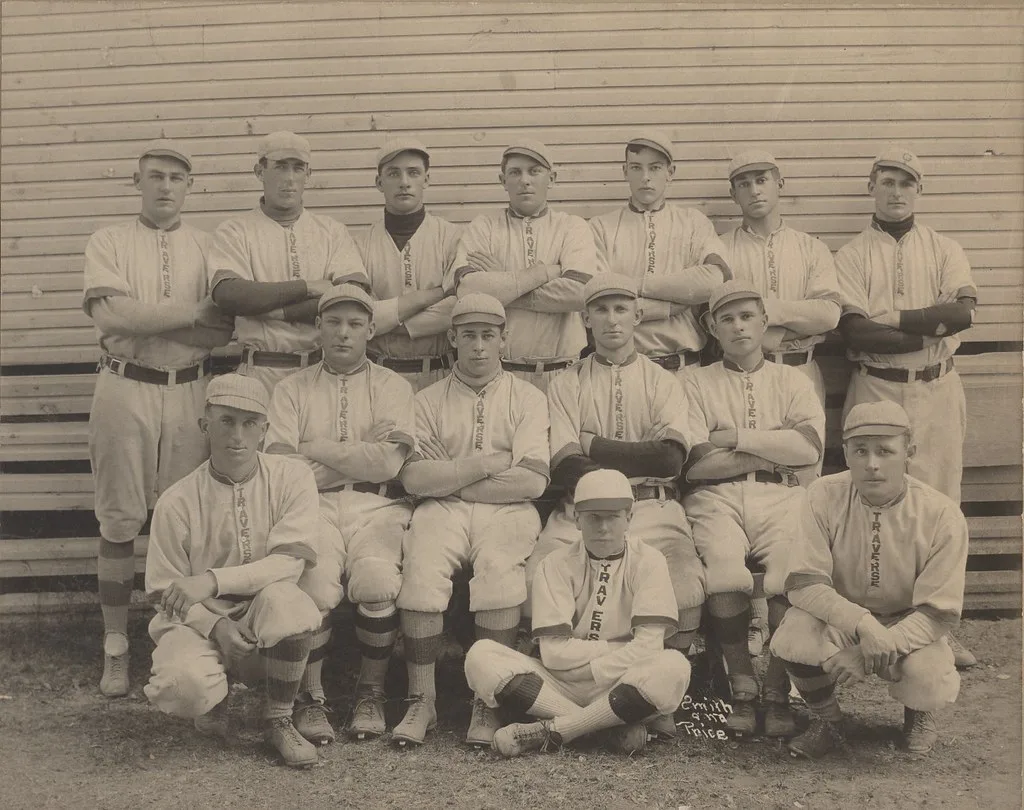
Summer is the best season for a classic lake trip. June brings long days and average highs near 25°C (77°F). July is warmer, with average highs around 27°C (81°F). August stays close, near 26°C (79°F). That is the most reliable window for beach time, boat days, and outdoor meals. It is also the hardest season for last-minute planning. Treat July and August lodging like a limited resource, especially near the National Cherry Festival. The 2026 festival ran July 4-11, and Pure Michigan lists the 2027 National Cherry Festival for July 3-10 through Pure Michigan. Do not reuse old parade, air-show, or parking details without checking the current festival schedule, especially if a Blue Angels flyover or similar air-show act is part of that year's lineup. City festival parking rules can also change by date. In 2026, downtown parking information included $2 per hour for the first two hours before certain event rates took effect. Summer works best if you book lodging 6 to 9 months ahead for festival week. For ordinary July and August weekends, start earlier than you would for a spring trip. Make dinner reservations once your hotel is fixed. Use the where to stay guide before comparing beach hotels, downtown stays, and quieter bases.
- Choose late June if you want summer weather with slightly less festival pressure.
- Choose early July if the National Cherry Festival is the point of the trip.
- Choose late August if you want warm weather after the most intense event rush.
- Avoid assuming May water feels like summer. Air temperatures rise before the lake feels comfortable.
Fall in Traverse City: Wine Harvest, Foliage, and Better Value
Fall is the strongest all-around answer for many adults. September keeps useful warmth, with average highs near 21°C (70°F). October cools to about 14°C (58°F), which is better for hiking than swimming. Wine harvest gives the Old Mission and Leelanau peninsulas a clear seasonal focus. M-22 drives also fit this period, especially when you can leave room for weather changes. Book earlier for peak color weekends than for ordinary October weekdays. Leaf timing shifts each year, so stay flexible if foliage is the main reason for the trip. September is easier than October if you want patios, bike rides, and a chance at beach walks. October is better if you want cooler trail conditions and a quieter mood after dark. Pack a warm layer for dinner, even when the afternoon feels mild. Link your fall plan to the day trips guide if Sleeping Bear Dunes, Glen Arbor, or peninsula drives matter most.
- September: best balance of wine, weather, and shoulder-season energy.
- Early October: good for color drives and cooler hikes.
- Late October: often better for value, but less reliable for full seasonal services.
- November: useful for quiet downtown trips, but wind and rain can reshape plans.
Winter in Traverse City: Snow Trips and Quiet Weekends
Winter is worth considering if you are not trying to force a beach vacation. January averages about -3°C (27°F) by day and -10°C (14°F) at night. Traverse City Tourism notes lake-effect snow as part of the region's winter pattern through Traverse City Tourism. That can make the city feel slower and more local, but it also changes driving decisions. Mt. Holiday and Hickory Hills are the two ski options closest to downtown, but check current operating status and hours before building a ski day around either one. Snowshoeing and cross-country skiing can also work when conditions line up. Sleeping Bear Dunes has winter access patterns that differ from summer. Pierce Stocking Scenic Drive closes to traffic after snow, then becomes a ski and snowshoe route when conditions allow. Winter lodging can be cheaper than summer, especially outside holidays and event weekends. Build your plan around downtown meals, tasting rooms, and one snow activity. Keep a backup indoor plan for high wind, heavy snow, or icy roads.
- Use winter for lower crowds, snow activities, and restaurant-focused weekends.
- Check road and attraction status the week you travel.
- Avoid tight day-trip schedules during lake-effect snow.
- Pack traction-friendly footwear for sidewalks, overlooks, and trailheads.
Spring in Traverse City: Blossoms, Mud Season, and Quieter Wine Tasting
Spring is not early summer in Traverse City. March averages about 4°C (40°F) highs and -6°C (22°F) lows. April improves to roughly 12°C (53°F) and 0°C (32°F). May reaches about 19°C (67°F), but cold water can still limit beach plans. The best spring reason to visit is cherry blossom timing, usually discussed around mid-May in local planning. Treat that as a flexible window, not a fixed date. Weather can pull bloom timing earlier or later. Spring also suits wine tasting before summer crowds arrive. You may get more breathing room at tasting rooms and lower lodging pressure. Trail plans need more care in April, when mud and freeze-thaw conditions can affect footing. Bring layers and waterproof shoes. If your trip is only 2 days, use the 2-day itinerary to keep spring plans realistic.
- April: best for value, but least dependable for trails and outdoor comfort.
- Mid-May: best spring target for cherry blossoms.
- Late May: better for wineries and walking, but still not full beach season.
- Memorial Day period: check current lodging and dining demand before assuming shoulder-season ease.
Best Time for Wine Tasting in Traverse City
The best time for wine tasting in Traverse City is late May through mid-October, when tasting rooms run full hours, vineyards are lush, and the bay breeze makes patio seating comfortable. Old Mission Peninsula works well when you want a shorter route from Traverse City and a tighter loop of tasting rooms, including well-known stops like Chateau Grand Traverse and Brys Estate. Leelanau Peninsula works better when you want to turn wine tasting into a larger day trip, since its wineries spread across a wider stretch of road. May gives you blossoms and lighter crowds. September gives you harvest atmosphere with average highs around 21°C (70°F). October gives you foliage, cooler air, and earlier evenings. Winter wine tasting can be good for smaller crowds and more time with each pourer, sometimes around a fire pit.
The two peninsulas behave differently once shoulder season arrives, and that difference is worth planning around before you pick a base. Old Mission's shorter loop means most tasting rooms stay reachable even if one or two trim their hours, so a May or late-October visit rarely falls apart. Leelanau's wineries sit farther apart, and a single closed or shortened-hours stop can reroute an entire afternoon, so shoulder-season visitors should confirm hours for each planned stop before setting out. Do not assume every patio, fire pit, or seasonal event is available on your date. Check direct winery pages before you appoint a driver or book transportation.
| Wine Trip Type | Best Months | Best Base | Planning Note |
|---|---|---|---|
| Patio-focused tasting | June-September | Old Mission or Leelanau | Reserve transportation early for Saturdays. |
| Harvest trip | September-October | Leelanau for a longer loop | Expect cooler nights after warm afternoons. |
| Quiet tasting | May or winter weekdays | Traverse City | Confirm each tasting room's current hours. |
| Short weekend | May-October | Old Mission | Keep the route compact to avoid spending the day in the car. |
Timing the National Cherry Festival Without Losing the Whole Trip
The National Cherry Festival is a reason to visit, but it changes the whole trip. The 2026 festival ran July 4-11. Pure Michigan lists July 3-10 for 2027, so early July remains the planning target. Festival week is not just a food stop. It affects lodging, parking, restaurant availability, and downtown movement. If the festival is your main goal, book rooms 6 to 9 months ahead. If beaches, wineries, or Sleeping Bear Dunes are your main goal, consider arriving just before or after festival week. You can still get summer weather without building every day around event logistics. Parking details need a current check before arrival. In 2026, official city guidance mentioned festival lot closures and $2 per hour parking before certain event rates. Future rates, closures, and shuttle rules can change. Build extra time around downtown meals and waterfront plans. For a wider activity list beyond festival programming, use the things to do guide.
Festival week is a summer-event choice, not a budget shortcut. April lodging offers ran $69 to $235 per night, while early July brings peak pressure on rooms, parking, restaurants, and downtown movement.
- Book 6 to 9 months ahead for festival-week lodging.
- Check the official festival schedule before counting on air-show or parade details.
- Use current city parking information before driving downtown.
- Reserve dinner early for July and August weekends.
Budget Travel: When Traverse City Costs Less
Traverse City is usually cheapest when you avoid July, August, and peak fall weekends. Midweek May and late October are the clearest value windows, based on the seasonal pricing pattern above. Winter can also price well outside holiday periods. A concrete 2026 price swing shows why timing matters. Official tourism event lodging offers for April listed rates from $69 to $235 per night. A July 2026 direct search for a Traverse City Best Western showed rates from $287.37 for one night. September event offers listed a wider range, from $142.24 to $312 per night. Those are not universal hotel averages, but they show the seasonal pattern. Summer can cost several times more than the cheapest spring event lodging offer. For the cleanest comparison, check the official tourism lodging portal, then compare direct hotel sites for your exact dates. Avoid relying on a single rate screenshot. Taxes, cancellation rules, minimum stays, and event blocks can change the final cost.
| Budget Move | When to Use It | Why It Helps | What to Check |
|---|---|---|---|
| Travel midweek | May, September, late October | Lower demand than Saturday nights. | Cancellation terms and parking fees. |
| Avoid festival week | Early July | Lodging and restaurants face peak pressure. | Current National Cherry Festival dates. |
| Use winter dates | January-March | Demand often drops outside holidays. | Snow driving and activity status. |
| Compare event offers | April and September | Some official tourism pages list temporary lodging offers. | Deadlines, codes, and minimum stays. |
Getting Around Traverse City: TART Trail, Driving, and Winter Roads
How you get around changes almost as much by season as what you do once you arrive. The TART Trail, the paved multi-use path linking downtown to the bayshore and out toward the peninsulas, is easiest to use from May through October, when the surface is dry and daylight stretches into the evening. Biking or walking the trail covers beach days, downtown patio-hopping, and short peninsula stretches without moving a car.
Winter changes that math. Sections of the TART Trail can ice over or go unplowed, and some stretches are groomed instead for cross-country skiing or fat biking, so check current trail conditions before counting on it for transportation. Driving becomes the default once snow arrives, and lake-effect squalls can turn a clear morning into a slow commute within the hour. A vehicle with all-wheel or four-wheel drive and winter tires handles the hills around Old Mission and Leelanau more predictably than a standard car, and building extra time between stops matters more than the mileage on a map suggests.
Downtown itself stays walkable in every season, which is one reason a Traverse City weekend can work without a rental car if your plan stays close to the waterfront and Front Street. Once the plan includes a peninsula loop or Sleeping Bear Dunes, budget for a car in every season except a strictly downtown winter trip.
- May-October: TART Trail biking and walking cover most in-town needs.
- November-March: plan for all-wheel or four-wheel drive conditions and check trail grooming status before assuming the path is rideable.
- Year-round: downtown and the waterfront stay walkable without a car.
Sleeping Bear Dunes Seasonal Access and Road Planning
Sleeping Bear Dunes can work in every season, but the best version changes by month. Summer gives you the easiest beach and dune day, though the Dune Climb is easier tackled in the morning or on a cooler edge-of-summer day, since the open sand holds heat by a July or August afternoon. Fall gives you cooler walking weather, color drives, and better conditions for longer trails like Empire Bluff, without summer's midday heat. Winter changes access because some roads become non-vehicle recreation routes. Pierce Stocking Scenic Drive is a key example. The National Park Service lists it as a 7.4-mile loop and says it is generally open to vehicles from late May until late October. It is open for the 2026 summer season, but seasonal conditions still matter. The same park guidance says the drive can become hazardous from wet leaves, wind, and rain. During winter and spring vehicle closure, walk-in recreation may be possible. After snow, the unplowed drive can be used by skiers and snowshoers when conditions support it. Do not plan a winter car loop there. Check current park alerts before leaving Traverse City, especially in November, March, or April.
A dune day and a festival stay run on different calendars: downtown rooms may need 6 to 9 months of lead time, while Pierce Stocking vehicle access is generally late May through late October. For a short trip, lock lodging first, then verify park alerts.
- Best vehicle window: generally late May through late October.
- Best warm-weather dune plan: June through September.
- Best cool hiking plan: September or October.
- Winter plan: check current park status before expecting vehicle access.
Mistakes to Avoid When Choosing Traverse City Dates
The biggest mistake is treating all warm-looking months the same. May can have 19°C (67°F) afternoons, but the water may still feel cold. April can look affordable, but trail mud can limit your plan. July has the most reliable summer energy, but it also brings the strongest demand. November can sound like late fall, but this is when the region gets its "Gales of November," the seasonal run of high wind and rain off Lake Michigan that can interrupt day trips and dune walks with little warning. Another mistake is skipping reservations in July and August. Summer restaurants, tours, and lodging can fill faster than casual planners expect. A third mistake is using old festival details. Dates, parade routes, parking rules, and air-show schedules can change. Check current official sources before you promise children a specific event. Finally, do not cram Old Mission, Leelanau, Sleeping Bear Dunes, and downtown into one short day. Traverse City rewards focused planning. Pick one peninsula or one major day trip, then leave time for meals and weather.
- Do not call May a beach month without a cold-water backup.
- Do not plan Pierce Stocking Scenic Drive by car in winter.
- Do not wait until festival week to book summer lodging.
- Do not assume every tasting room keeps the same hours all year.
- Do not chain too many peninsula and dune stops into one day.
When to Book Hotels for Summer and Fall Weekends
Reserve Traverse City lodging earliest when your dates touch the National Cherry Festival, July beach weekends, or peak fall color. For festival week, start 6 to 9 months ahead, especially for downtown hotels, waterfront properties, and family-size rentals. Early July demand spills into nearby bases such as Suttons Bay, Elk Rapids, and Glen Arbor.
For ordinary July and August weekends, begin checking rooms 3 to 5 months ahead. Saturday nights fill first, and some rentals may require two-night or three-night stays. If you want better value, compare Sunday through Thursday dates before changing your destination.
Fall needs a different strategy. Late September and early October weekends can book quickly because wine harvest, M-22 color drives, and Sleeping Bear Dunes hikes overlap. Book 2 to 4 months ahead for those weekends. Late October weekdays are usually easier, but confirm winery hours before choosing a cheaper room.
Frequently Asked Questions
What is the best month to visit Traverse City?
September is the best single month for many trips. You still get average highs near 21°C (70°F), wine harvest timing, and lighter pressure than July. Choose July if beach weather and festival energy matter more than price.
How many days do I need in Traverse City?
Plan 3 to 4 days if you want wineries, downtown meals, Sleeping Bear Dunes, and beach time. A 2-day trip can work, but you should keep the route tight and avoid mixing both peninsulas with a long dune day.
Is Traverse City worth visiting in winter?
Yes, if you want snow activities, quieter restaurants, and lower lodging pressure. January averages about -3°C (27°F) by day, so pack for real winter. Check current ski, trail, and road conditions before committing to outdoor plans.
When do cherry blossoms peak in Traverse City?
Plan around mid-May, but treat blossom timing as flexible. Weather can shift the bloom window. May averages about 19°C (67°F) highs and 6°C (42°F) lows, so bring layers for orchard drives and evening meals.
When is the National Cherry Festival in Traverse City?
The 2026 National Cherry Festival ran July 4-11. Pure Michigan lists the 2027 festival for July 3-10. Always check the current official schedule before relying on parade, parking, fireworks, or air-show details.
What is the cheapest time to visit Traverse City?
Midweek May, late October, and winter dates usually give you the best value. The clearest sourced 2026 swing is spring event lodging from $69 per night versus a July direct hotel rate from $287.37.