Traverse City 2-Day Itinerary for a Practical 48-Hour Weekend
Last updated August 2026. This Traverse City 2 day itinerary gives you a realistic 48-hour route with one winery peninsula, one downtown evening, and one Sleeping Bear Dunes road trip. Use it as the tighter plan behind a broader Traverse City weekend, especially if you want fewer backtracks and more usable daylight.
At a Glance: The 48-Hour Traverse City Snapshot
Build this trip around a car, two early starts, and one clear peninsula choice. Day 1 stays close to Old Mission Peninsula and downtown Traverse City. Day 2 uses the M-22 scenic drive for Sleeping Bear Dunes, then returns through Glen Arbor or Empire. June through August brings peak demand, while September and October suit harvest, foliage, and cooler hikes. Check current event timing through Traverse City Tourism before locking restaurant and hotel dates.
- Best fit: couples, friend groups, and adults who want wineries plus dunes.
- Day 1 focus: breakfast, Mission Point Lighthouse, Old Mission Peninsula wineries, Front Street, and dinner downtown.
- Day 2 focus: coffee, the 40-minute drive toward Sleeping Bear Dunes, Pierce Stocking Scenic Drive, Dune Climb or overlooks, and lunch in Glen Arbor or Empire.
- Transport rule: rent a car or bring one. Downtown is walkable, but the peninsulas and dunes are not practical without wheels.
- Pace rule: pick Old Mission or Leelanau. Trying both peninsulas in two days creates long drives and tasting fatigue.
- Budget anchor: a historic $5 Shady Lane Cellars flight works as a value reference point, not a guaranteed current price. Confirm winery menus before you go and keep a small buffer per stop for tips, snacks, or menu changes.
- Lodging anchors: downtown and Front Street favor properties such as the Bayshore Resort, East and West Bay waterfront favors family stays such as the Cherry Tree Inn & Suites, and Grand Traverse Resort and Spa anchors the golf-and-spa version of this trip.
Day 1: Old Mission Peninsula, Wineries, and Front Street
Start with breakfast at Factory Man or Higher Grounds, then drive north through Old Mission Peninsula wineries before tasting rooms get busy. The route works best if you go to Mission Point Lighthouse first, then work back toward town. That keeps the longest peninsula drive early and leaves downtown for the evening. Old Mission tasting rooms typically open around 11:00 AM, so do not rush the first stop. Chateau Chantal works well when views matter most. Bonobo fits a more social tasting-room stop. Ask about wine tasting flights at each stop rather than ordering by the glass — it is the easiest way to sample more of what a winery makes without committing to full pours before lunch. If you want a broader attraction list for backup weather, keep things to do nearby for quick swaps.
- 8:30 AM: Eat breakfast in Traverse City. Factory Man suits a coffee-and-baked-goods start. Higher Grounds is another easy morning option.
- 9:30 AM: Drive toward Mission Point Lighthouse at the north end of the peninsula. Treat this as your scenery stop before wine tasting.
- 10:15 AM: Walk the lighthouse area and give yourself time for photos, a shoreline pause, and the drive back south.
- 11:00 AM: Choose your first winery. Chateau Chantal is the better first pick for views over vineyards and Grand Traverse Bay.
- 12:30 PM: Add one more Old Mission winery. Bonobo is the better fit when you want a relaxed tasting-room atmosphere.
- 2:00 PM: Leave room for a slow lunch or snack break. Avoid stacking too many tastings before the downtown portion of the day.
- 4:00 PM: Return to Traverse City and park once. Front Street is the right evening base because shops, restaurants, and bars are close together.
- 6:30 PM: Book dinner or arrive early. Trattoria Stella suits a planned dinner, while The Little Fleet gives you a lower-commitment food-truck option.
- 8:00 PM: Walk Front Street after dinner instead of adding another drive. This keeps the day easy after the peninsula loop.
Day 2: M-22, Sleeping Bear Dunes, and Empire
This Sleeping Bear Dunes itinerary works best when you leave after coffee and use the morning for the dunes, not errands. Sleeping Bear Dunes National Lakeshore is about 40 minutes from Traverse City, so an early departure matters more than a fast drive. Pierce Stocking Scenic Drive gives you high-reward views without the same effort as a full dune climb. The Dune Climb is the harder option and can eat more energy than expected, since loose sand makes every step slower than it looks from the parking lot. Empire Bluff Trail is the stronger short-hike alternative when you want a defined walk and a real payoff without the sandy slog of the Dune Climb — a swap most quick itineraries skip in favor of the Dune Climb alone. Pure Michigan’s official travel coverage also frames Michigan travel around shoreline drives and outdoor stops, which fits this day’s route.
- 8:00 AM: Get coffee downtown and leave Traverse City before the late-morning rush.
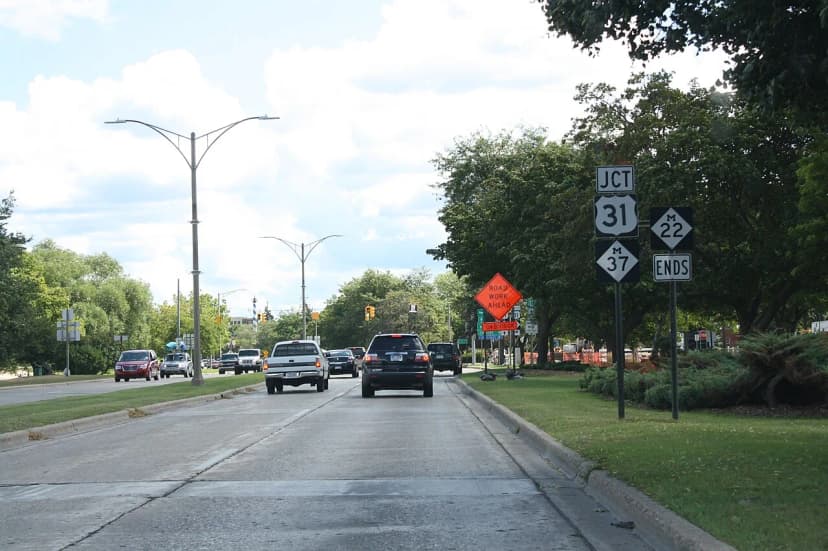
- 8:45 AM: Drive toward Sleeping Bear Dunes. Use M-22 as the scenic backbone for the day.
- 9:30 AM: Start with Pierce Stocking Scenic Drive if it is open and conditions are suitable.
- 10:30 AM: Choose your effort level. Pick Overlooks 9 and 10 for high reward with less physical demand.
- 11:15 AM: Choose the Dune Climb only if you are ready for a sandy, high-effort stop.
- 12:30 PM: Head toward Glen Arbor or Empire for lunch. Bad Dog Deli is a solid Empire pick for a casual lunch before the afternoon hike.
- 2:00 PM: Add Empire Bluff Trail if you want a shorter hike and a more structured trail experience.
- 4:00 PM: Start the return drive before dinner traffic and parking pressure build.
- 5:00 PM: Stop at Moomer’s Ice Cream as the final local food stop before your last evening.
Old Mission vs. Leelanau: Pick One Peninsula
A strong Traverse City 2 day itinerary does not try to cover both wine peninsulas. Old Mission is the compact choice and fits Day 1 with Mission Point Lighthouse. Leelanau spreads out more and works better if you want towns such as Leland and Suttons Bay in the mix. The trade-off is time. Leelanau can make the day feel more like a road trip than a tasting loop. Save the unused peninsula for a future visit or a longer plan with 7 Best Day Trips From Traverse City: Routes, Timing & Local Tips.
The same car that makes downtown easy also creates the constraint: inside 48 hours, one peninsula plus Sleeping Bear is the cleaner mix. Leelanau can still work, but it replaces the compact lighthouse-and-winery loop with more road-trip time.
| Choice | Best For | Trade-Off |
|---|---|---|
| Old Mission Peninsula | A compact first-day loop, Mission Point Lighthouse, and view-focused wineries | Less small-town wandering than Leelanau |
| Leelanau Peninsula | Leland, Suttons Bay, cider stops, and a wider road-trip feel | More driving and harder pacing inside 48 hours |
| Both peninsulas | Only longer trips with extra nights | Too rushed for this two-day route |
Where to Stay for a Two-Day Traverse City Trip
Choose lodging based on how much you want to drive after dinner. Downtown and Front Street lodging, such as the Bayshore Resort, is the easiest base for walking to restaurants and evening drinks. East Bay or West Bay waterfront hotels, including family-friendly options like the Cherry Tree Inn & Suites, work better when beach access matters more than nightlife. Grand Traverse Resort and Spa fits golf, spa time, and all-in-one amenities, but you should expect to use a car or shuttle for downtown. For a deeper lodging breakdown, use the where to stay guide before booking.
| Base | Use It For | Planning Note |
|---|---|---|
| Downtown or Front Street (e.g., Bayshore Resort) | Restaurants, bars, shops, and low-effort evenings | Parking can matter on summer weekends and during events |
| East Bay or West Bay waterfront (e.g., Cherry Tree Inn & Suites) | Beach access, families, and slower mornings | You may drive more for dinner |
| Grand Traverse Resort and Spa | Golf, spa, resort dining, and an all-in-one base | A car or shuttle helps for downtown plans |
Getting There, Driving Times, and Local Transport
Cherry Capital Airport, known as TVC, is the practical airport for flying into Traverse City and sits about 10 to 15 minutes from downtown. Driving times depend on traffic and weather, but plan around roughly 5.5 hours from Chicago, 4 hours from Detroit, and 2 hours from Grand Rapids. Once you arrive, keep the car. Downtown Traverse City is walkable after you park, but the dunes, Old Mission Peninsula, and Leelanau Peninsula require driving or a booked driver. Metered street parking downtown is usually easy to find and typically takes a credit card, and many hotels include parking with the room rate, so budget for gas and rental fees rather than daily parking costs.
- Airport: Cherry Capital Airport, also written as TVC.
- Airport-to-downtown time: about 10 to 15 minutes by car.
- Chicago drive: about 5.5 hours in normal planning conditions.
- Detroit drive: about 4 hours in normal planning conditions.
- Grand Rapids drive: about 2 hours in normal planning conditions.
- Local rule: park once downtown, then walk Front Street.
Seasonal Timing for This Traverse City 2 Day Itinerary
Summer gives you the fullest version of this itinerary, but it also brings the heaviest crowds. June through August is Traverse City's peak season for warm weather and lake activity. The National Cherry Festival is tied to July, so check the current dates through Traverse City Tourism before booking a downtown stay. September and October are better for harvest, fall color, and less heat on the dunes. Spring and winter can lower lodging pressure, but some M-22 shops may have seasonal closures. The fuller seasonal trade-offs are covered in the best time to visit guide.
Even when Sleeping Bear is only about 40 minutes away, summer crowds can make the same dune stop feel slower. September and October pair better with the early-start plan because cooler hikes matter more than squeezing in extra winery stops.
| Season | Why Go | Watch For |
|---|---|---|
| June to August | Warm weather, peak downtown energy, and lake-focused days | Higher hotel demand and more crowded dune stops |
| July | National Cherry Festival timing | Book early and confirm current event dates |
| September to October | Harvest timing, fall color, and cooler hikes | Some shoulder-season schedule changes |
| Spring or winter | Lower rates and a slower pace | Possible seasonal closures along M-22 |
Budget and Booking Tips for 48 Hours
Costs can swing by season, especially lodging and winery menus. A historic $5 flight at Shady Lane Cellars is a useful value benchmark, but treat it as a starting reference and check the current menu before planning a wine budget around it. For a realistic two-day budget, reserve your largest spend for lodging, dinner, a rental car, and any wine tasting. Do not let low tasting prices push you into too many stops. Two wineries on Day 1 keeps the plan cleaner than four rushed tastings, and it leaves more of the tasting-room budget for the wines you actually want to bring home.
- Use $5 as a historic wine-flight value reference, not a guaranteed current rate, and keep a small buffer per stop for tips, snacks, or menu changes.
- Book downtown dinner earlier for summer Fridays and Saturdays.
- Reserve lodging first if your dates overlap July festival demand.
- Confirm Sleeping Bear Dunes entrance pass requirements through the National Park Service site before leaving Traverse City.
How to Adjust the Itinerary Without Breaking the Route
Use swaps that stay on the same side of the map. If rain affects Day 2, move more time into Glen Arbor, Empire, or downtown Traverse City instead of forcing a sandy hike. If winery appointments fill up, keep Old Mission as the Day 1 drive and choose fewer tasting stops. If you arrive late on Friday, do not move the dunes to Day 1. Sleeping Bear works better with a full morning, especially when you want Pierce Stocking Scenic Drive and Empire Bluff Trail in the same day.
- Shorter Day 1: breakfast, Mission Point Lighthouse, one winery, and Front Street dinner.
- Lower-effort Day 2: Pierce Stocking overlooks, lunch in Empire, and Moomer’s Ice Cream.
- Food-focused version: keep downtown open for The Little Fleet, Trattoria Stella, and a slower Front Street walk.
- Outdoor-focused version: reduce winery time and add Empire Bluff Trail after the scenic drive.
- Group version: book a driver for winery time and keep one person free from navigation duty.
Sleeping Bear Dunes Pass, Parking, and Timing Basics
Sleeping Bear Dunes National Lakeshore is a fee area, so build the pass stop into Day 2 instead of treating it as an afterthought. Check the current NPS fee page before leaving Traverse City, then keep the pass handy for Pierce Stocking Scenic Drive, the Dune Climb, and trailheads.
The Philip A. Hart Visitor Center in Empire is the practical first stop if you need orientation, restrooms, maps, or current trail conditions. From there, it is a short drive to Pierce Stocking Scenic Drive and Empire Bluff Trail.
- Arrive before late morning for easier parking at popular overlooks.
- Bring water, sun protection, and shoes that handle sand.
- Use Empire Bluff Trail when you want a defined hike without committing to the Dune Climb.
Do not underestimate sand and wind. Even short dune stops can feel slower than a paved overlook walk.
Frequently Asked Questions
Do you need a car for a Traverse City 2 day itinerary?
Yes. Downtown is walkable after you park, but Old Mission Peninsula, Leelanau Peninsula, and Sleeping Bear Dunes require a car or booked driver.
Can you visit Sleeping Bear Dunes from Traverse City in one day?
Yes. Sleeping Bear Dunes National Lakeshore is about 40 minutes from Traverse City, so it fits well as the main Day 2 plan.
Should you choose Old Mission or Leelanau for a first trip?
Choose Old Mission if you want the cleaner two-day route. Choose Leelanau if you prefer small towns such as Leland and Suttons Bay.
Is two days enough for Traverse City?
Two days is enough for a focused weekend. You can cover one wine peninsula, downtown Front Street, M-22, and a Sleeping Bear Dunes stop.
What is the best season for this itinerary?
June through August gives the fullest summer version, but September and October are better for harvest timing and cooler dune walks.
How many wineries should you visit in two days?
Plan on two wineries for this route. More stops can crowd out Mission Point Lighthouse, dinner, and the next morning’s dunes drive.