Practical Tips for Visiting Traverse City: Everything You Need to Know Before You Go
Last updated August 2026, these practical tips for visiting Traverse City focus on the logistics that trip up first-time visitors: parking downtown, choosing between two wine peninsulas, and timing a trip around National Cherry Festival crowds. Grand Traverse Bay splits the region into distinct zones, so knowing where to base a stay matters as much as what to see. Use this guide to plan transportation, book wineries with enough lead time, and avoid the scheduling mistakes that eat into a short trip.
Practical Tips for Visiting Traverse City: Getting There and Around
Most visitors reach the region by flying into Cherry Capital Airport (TVC) or by driving up from Detroit or Chicago. Either way, the drive eats most of a travel day. Rideshare coverage stays thin outside downtown, so do not count on Uber or Lyft for a late-night pickup from a winery or beach. The Bay Area Transportation Authority, known locally as BATA, runs fixed routes and a downtown trolley during peak season. Review current schedules and fares before your trip, since routes shift seasonally. For wine-country days, designated-driver services and tour buses cover both peninsulas without anyone behind the wheel, and several outfitters rent bikes for pedaling between tasting rooms at a slower pace. Check the official Traverse City tourism site for current shuttle and rideshare partnerships before you go. For rental-car options and mileage breakdowns between Detroit, Chicago, and downtown, see the guide on getting to Traverse City.

Timing a Trip Beyond the National Cherry Festival
Peak season runs through July, anchored by the National Cherry Festival, when downtown sidewalks and Front Street restaurants fill fast. September brings harvest season and fall color along the wine trails, with thinner crowds and shorter tasting-room lines. Lodging prices climb during peak summer weeks, so budget-minded travelers often shift a trip toward late spring or early summer instead. Shoulder-season visitors should also expect reduced hours: some boutiques and smaller wineries trim hours on Mondays and Tuesdays once summer ends. The festivals and events calendar lists exact 2026 dates for the Cherry Festival and the Traverse City Film Festival, both of which reshape downtown parking and reservations. Pair that page with the best time to visit breakdown before locking in dates. A short stay works best around a single event. Longer stays benefit from the weekend getaway plan for pacing multiple neighborhoods across more days.
Festival-week rooms can fill 6 to 10 months ahead, so shifting a trip to late spring or early summer not only avoids peak crowds but also sidesteps that booking rush.
Old Mission Peninsula vs. Leelanau Peninsula: Choosing Your Wine Route
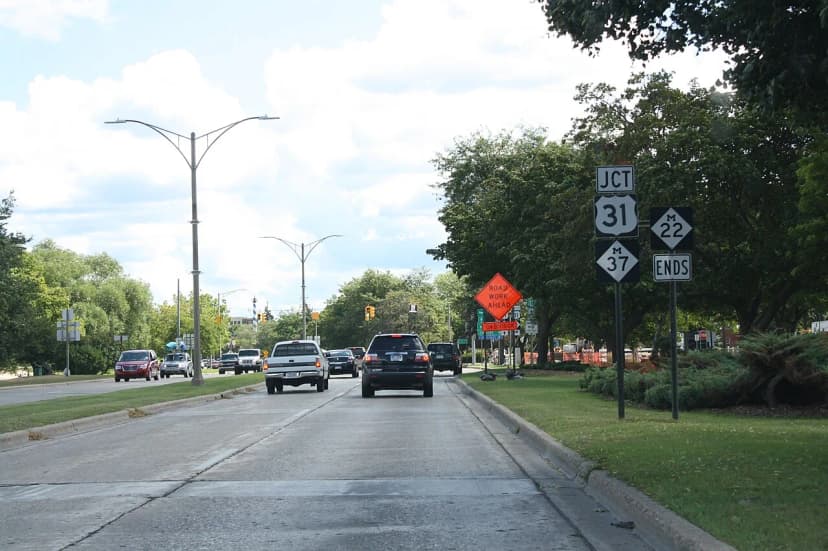
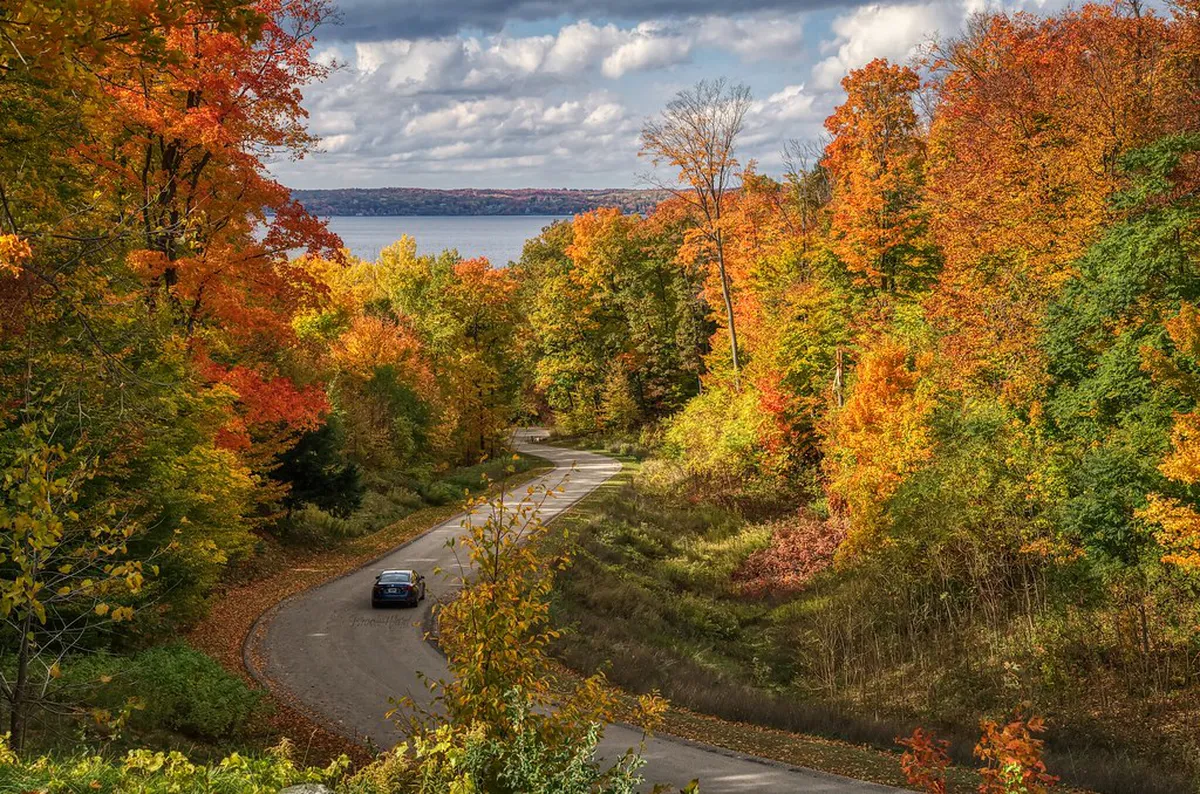
Old Mission Peninsula and Leelanau Peninsula sit on opposite sides of Grand Traverse Bay. Treating them as one afternoon trip is the most common planning mistake. Each peninsula holds its own cluster of tasting rooms, so hopping between both in a single day means rushing every stop. Roughly 40 wineries, vineyards, and tasting rooms operate across the two peninsulas combined, which is far more than a single day can cover well. Old Mission suits a shorter, concentrated loop with bay views from the hillside vineyards. Chateau Chantal is one of its best-known stops. It has historically required advance reservations for patio wine flights, so confirm current booking policy before arriving. Bonobo Winery, also on Old Mission, focuses on dry wines and often runs live music on its patio. Leelanau rewards a full day. The M-22 loop connects farm stands, cider houses, and wineries with a wider range of varietals. Shady Lane Cellars has historically opened at 11 a.m., an hour earlier than many neighboring wineries. It has also offered a three-pour flight for as little as $5. Check current hours and pricing, since both shift year to year. Sutton's Bay Ciders and Hop Lot round out the Leelanau route with cider flights and a beer garden, respectively. Glen Arbor's M22 Wine tasting room sits along the same route and works well if a Sleeping Bear Dunes stop is already on the agenda. Choose one peninsula per day rather than splitting one day between both.
Roughly 40 wineries operate across the two peninsulas, and cramming stops from both into one day compounds the risk of underestimating M-22 drive times — back-to-back tastings without buffer time turn a scenic drive into a rushed one.
| Peninsula | Best For | Time Needed | Signature Stop |
|---|---|---|---|
| Old Mission Peninsula | Concentrated tasting and bay-view sunsets | Half a day | Chateau Chantal |
| Leelanau Peninsula | Farm stands, cider houses, and the M-22 loop | A full day | Shady Lane Cellars |
Dining and Budget Hacks Around Front Street
Front Street restaurants back up fast between 6 and 8 p.m. on summer weekends. Aim for a 5 p.m. or 8:30 p.m. seating instead to skip the wait. Some blocks of Front Street have closed to vehicle traffic in past summers to expand outdoor seating. Confirm current-year closures before you plan a walking route. Moomer's offers a lower-cost alternative to a full day of wine tasting, available three distinct ways:
- Downtown scoop shop, within walking distance of the waterfront parks
- Countryside farm patio with hillside views over grazing cows
- Ice cream sail experience departing from Discovery Bay
Beach and Nature Logistics: Bay Water vs. Lake Michigan
Grand Traverse Bay beaches sit calmer and warmer than the open lake, with picnic tables and playgrounds near downtown. Bay-side and lake-side beaches differ enough to plan around:
- West End Beach and Bryant Beach: bay water, near downtown, calmer for young kids
- Old Mission Beach: shallow, warm bay water reached by a short trail from the historic lighthouse; pack water shoes for the shell-covered bottom
- Sleeping Bear Dunes National Lakeshore: open Lake Michigan water, colder with rougher surf, a National Park pass required for entry
Common Mistakes to Avoid When Visiting Traverse City
Four mistakes account for most derailed Traverse City itineraries:
- Underestimating M-22 drive times: the lakeshore road is scenic but slow, and back-to-back stops without buffer time turn a short drive into a rushed one.
- Skipping offline maps: cell service drops in stretches of Sleeping Bear Dunes and northern Leelanau, so download offline maps before leaving downtown Wi-Fi.
- Booking lodging too late: rooms for festival weeks can fill 6 to 10 months ahead, especially close to Front Street.
- Assuming every winery takes walk-ins: some patios, including Chateau Chantal's, have historically required advance booking, so confirm before building a peninsula route.
Downtown Parking: What to Know Before You Park
Downtown Traverse City relies on paid street parking along Front Street and the surrounding blocks, especially during summer weekends and festival weeks.

Most metered spaces use a pay-by-phone system rather than physical kiosks at every spot. Drivers typically pay through a mobile parking app tied to the posted zone number, so it helps to have a phone charged and a payment method ready before circling for a spot. Rates and enforcement hours are usually posted on nearby signage and can extend into the evening during peak season.
Free parking exists in some surface lots a few blocks off Front Street, but those fill quickly on Cherry Festival weekends and during Friday night art fairs. Arriving before 10 a.m. or after 7 p.m. generally improves the odds of finding street parking without circling.
Key parking notes for a downtown visit:
- Check posted signs for enforcement hours, since some zones are free evenings and Sundays
- Keep a backup lot in mind a few blocks away during festival weekends
- Bike racks near Front Street make a rental bike a workaround for parking-heavy days
For trip-planning details, see Pure Michigan.
Frequently Asked Questions
How many days should you plan for a Traverse City trip?
Most travelers need at least two full days to cover one wine peninsula and downtown. The 2-day itinerary lays out that shorter pace. Add a third day for Sleeping Bear Dunes or the second peninsula if your schedule allows it.
Is Uber or Lyft reliable in Traverse City?
Rideshare coverage stays limited outside downtown and can be slow to arrive from wineries or the airport. Renting a car or using BATA's fixed routes is more dependable for a multi-day visit.
Do Traverse City wineries require reservations?
Some do, especially for patio seating during peak weekends. Chateau Chantal on Old Mission Peninsula has historically required advance booking for wine flights, so confirm current policy before arriving. Many Leelanau tasting rooms still accept walk-ins outside festival weeks.
When is the National Cherry Festival, and does it affect a visit?
National Cherry Festival dates fall in early July, filling downtown hotels, parking, and restaurants. Lodging near Front Street can fill 6 to 10 months ahead of festival week, so book that window early.
What's the main difference between Old Mission and Leelanau peninsulas?
Old Mission Peninsula offers a shorter loop, concentrated tastings, and bay-view sunsets. Leelanau Peninsula spreads farm stands, cider houses, and wineries along the longer M-22 route. Plan one full day per peninsula rather than combining both.