

Best Time to Visit Williamsburg: The Ultimate Seasonal Guide
Last updated August 2026. The best time to visit Williamsburg is usually September or October, when outdoor history sites feel easier to pace and summer humidity has eased. Your ideal month still depends on your tradeoff between Colonial Williamsburg programs, Busch Gardens operating windows, hotel prices, and holiday events.
Quick Verdict: Best Time to Visit Williamsburg by Travel Style
Fall is the strongest overall choice for most Williamsburg trips. September and October balance milder weather, post-summer crowd relief, and better outdoor conditions across the Historic Triangle. Families often prefer June or late August because theme park schedules are more useful during school breaks. Budget travelers should look at January and February, when lodging demand is usually softer. December works best when holiday atmosphere matters more than the widest attraction availability.
| Season | Weather | Crowds | Price | Event availability |
|---|---|---|---|---|
| Spring, March-May | Mild, with spring rain risk | Moderate, with spring break spikes | Middle range | Good for gardens and outdoor history |
| Summer, June-August | Hot and humid, often near 31°C (88°F) to 33°C (91°F) | Highest during school breaks | Higher, especially around park demand | Best for Busch Gardens and Water Country USA planning |
| Fall, September-November | Comfortable, often around 16°C (60°F) to 27°C (80°F) | Lower after school resumes | Middle range outside major weekends | Strong for foliage, food events, and Historic Triangle touring |
| Winter, December-February | Cool, often around 4°C (40°F) to 13°C (55°F) | Low after the December holiday rush | Lowest in January and February | Good for December holidays, weaker for outdoor-heavy days |

Williamsburg Weather by Season: Heat, Rain, and Walking Comfort
Williamsburg rewards travelers who plan around walking comfort, and Williamsburg weather by month matters more than the season label alone since a cool early April can feel very different from a warm late April. Colonial Williamsburg, Jamestown, Yorktown, and the Colonial Parkway all involve time outside. Spring is pleasant but changeable. March through May can work well if you bring a rain layer and avoid assuming every day will be dry. Summer is the hardest season physically, and online discussions about visiting Williamsburg — including Reddit threads on planning a trip — often call July and August humidity a dealbreaker rather than a minor inconvenience. Temperatures can feel much hotter than the forecast because Tidewater humidity builds during the day. Plan indoor breaks, early starts, and lighter clothing if you visit when temperatures sit near 31°C (88°F) or 33°C (91°F). Fall is the easier outdoor season. Days around 16°C (60°F) to 27°C (80°F) are better for long walks, battlefield stops, and time on Duke of Gloucester Street. Winter is manageable with layers. Expect a cooler feel when highs sit near 4°C (40°F) to 13°C (55°F), especially after sunset. For seasonal averages beyond this overview, NOAA's regional data for Tidewater Virginia is the most reliable independent source.
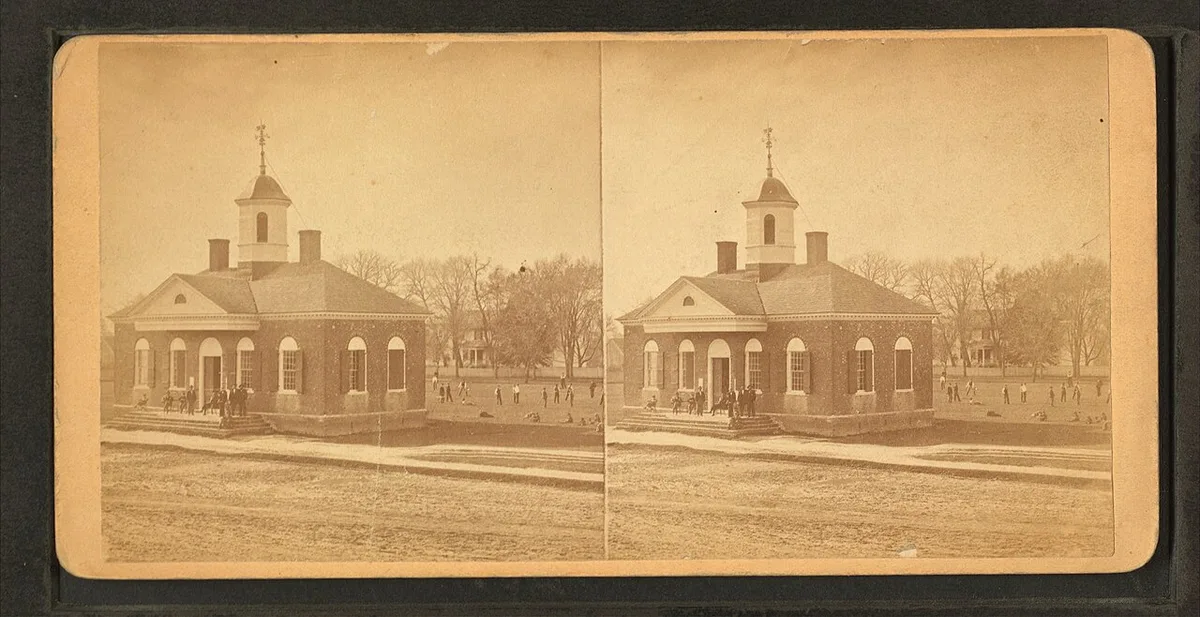
Spring in Williamsburg: Gardens, School Breaks, and Flexible Days
Spring is a practical shoulder season when you want milder weather before summer crowds arrive. May is especially useful if your trip centers on gardens near the Governor's Palace area and slower outdoor browsing. March and April can still bring spring break demand, so lodging and tavern reservations need more attention on weekends. Build a flexible plan instead of locking every hour. Use a dry morning for the Historic Area, then shift to museums or meals if rain moves in. For a broader activity list, pair this timing with Williamsburg things to do. Spring also works well for a short trip. A focused two-day itinerary can cover Colonial Williamsburg and one nearby history site without forcing a theme park day.
Summer in Williamsburg: Theme Parks, Humidity, and Heat Plans
Summer makes sense when your trip depends on Busch Gardens Williamsburg or Water Country USA. The tradeoff is heat, humidity, and the biggest family travel window. June often works better than July if you want summer attraction access with slightly less peak-season pressure. Late August can also help when some families have already shifted back toward school routines. Avoid building a day that keeps you outside from breakfast through dinner. Start early in Colonial Williamsburg, schedule an indoor or pool break, then return for evening plans. Temperatures near 31°C (88°F) to 33°C (91°F) require a real heat plan, not just extra water. Resort or condo-style lodging can help summer families because pools and kitchens make midday resets easier. Use where to stay guidance before choosing a hotel.
Fall in Williamsburg: The Best Overall Balance
Fall is the safest recommendation for travelers who want one answer. September reduces the school-break crush, while October brings a better mix of cooler air and foliage. The Colonial Parkway is more appealing when you are not fighting summer heat. Jamestown and Yorktown also feel easier because both require outdoor time. Expect popular weekends to stay busy, especially when food events or fall programming overlap with school holidays. Outside those marquee weekends, fall delivers some of the smallest crowds of the year, which matters most if an uncrowded walk through the Historic Area matters more to you than event programming. Midweek dates remain the best move when your schedule allows it. If you want the full Historic Triangle without rushing, use fall for a longer Williamsburg weekend. Add a third or fourth day if you want Jamestown, Yorktown, and a theme park in the same trip.
Winter in Williamsburg: December Events and Quiet January Days
Winter divides into two different trips. December is event-driven, with holiday decorations, evening crowds, and date-specific demand. Grand Illumination traditionally falls on the first three Saturdays in December, with 2026 dates widely listed as December 5, 12, and 19 — confirm the exact schedule with Colonial Williamsburg before booking, since those Saturdays draw the heaviest demand. January and February are quieter and usually better for budget travelers. The tradeoff is colder weather and thinner outdoor energy. Colonial Williamsburg remains open year-round, but specific trade shops, taverns, and Revolutionary City programs can rotate by season. Check the current schedule before building a day around one program. Busch Gardens planning also needs caution in winter. Do not assume every ride or area operates during Christmas Town or other seasonal events. Confirm current park status before buying dated tickets.
Colonial Williamsburg Seasonal Guide: What Changes by Month
Colonial Williamsburg is the anchor for most trips, but its calendar is not static. The Historic Area can be visited year-round, and both Visit Williamsburg and Colonial Williamsburg's own seasonal guide are useful starting points for current planning. Program density, interpreter schedules, trade shop access, and tavern availability can change by date. That matters more than the headline season. A mild October weekday can feel easier than a crowded December Saturday. A January visit can be inexpensive, but it may require more schedule checking. Tavern dinners need particular attention. Peak weekends can book out early, and December demand can make walk-up planning risky. If a specific craft demonstration, dinner, or evening program matters, verify it before setting your travel dates.
Best Time for Busch Gardens Williamsburg and Water Country USA
Families should time Williamsburg differently from history-first travelers. Summer gives the clearest case for adding Busch Gardens and Water Country USA because park planning is usually more useful during the main vacation season. Spring and fall can still work, but weekend-heavy calendars are more likely. Winter requires the most caution because seasonal events do not mean full ride availability. Busch Gardens single-day tickets have recently run roughly $75 to $100, while Colonial Williamsburg entry has started around $50 — confirm current pricing directly before you buy. That price gap makes timing important. Paying theme park prices on a short operating day can hurt the value of your trip. Check direct operator calendars before you commit. Then place the park day between two lighter history days so heat, walking, and ride fatigue do not stack.
Historic Triangle Timing: Williamsburg, Jamestown, Yorktown, and the Parkway
Building a complete Historic Triangle itinerary means treating Williamsburg as only one part of the decision; many visitors under-plan the wider route. Jamestown and Yorktown add outdoor-heavy sites, museum time, and drives along the Colonial Parkway. Shoulder seasons are better for this wider route because the sun is less punishing and the day does not depend on water-park hours. Spring gives flowers and mild walking days, but rain can disrupt a battlefield plan. Fall offers the cleanest balance for the Colonial Parkway and outdoor interpretation. Summer still works if you start early and avoid placing every outdoor site on one day. Winter can be peaceful, though thinner programming and shorter-feeling days make prioritization more important. Confirm current hours directly with Jamestown Settlement, the American Revolution Museum at Yorktown, or the National Park Service before building an outdoor-heavy day, since these sites can adjust seasonal schedules independently of Colonial Williamsburg. For ideas beyond the core triangle, use Williamsburg day trips as a planning add-on.
Costs, Tickets, and Seasonal Price Swings
Williamsburg is not a one-price destination. Your budget changes with season, hotel location, and ticket mix. Recent 2026 planning anchors are useful even though prices shift year to year: Colonial Williamsburg entry has started around $50, and Busch Gardens single-day tickets have often run about $75 to $100 — confirm both directly before you book. Children under 6 have typically been admitted free to Colonial Williamsburg, though it is worth checking current age cutoffs. Waller Mill Park has been a low-cost outdoor option, historically around $2 per car, for a budget-friendly afternoon away from ticketed attractions. Seasonal lodging is the bigger swing. January and February are usually the softer budget window, while July, October weekends, and December event dates can cost more. Compare single-site tickets against any available multi-site Historic Triangle pass before buying, since a pass can make sense when your trip includes Jamestown Settlement, the American Revolution Museum at Yorktown, and Colonial Williamsburg. Confirm current pass inclusions and pricing directly, since multi-site bundles change more often than single-site tickets do.
December 5, 12, and 19, 2026 are not just event dates; they also explain why central lodging and tavern reservations can matter more than chasing the lowest room rate. January and February are the better budget play when holiday atmosphere is optional.
- Use January-February for the lowest lodging pressure, if colder weather is acceptable.
- Use September-October when you want better weather without summer peak conditions.
- Use December only after checking event dates and lodging rates.
- Expect Colonial Williamsburg entry to start around $50 — confirm current pricing before you go.
- Expect Busch Gardens single-day tickets to run roughly $75-$100 — check the park's official calendar for current rates.
Getting around also affects how your day feels, not just what it costs. A seasonal trolley has typically connected parking areas to the Historic Area during the busier months, which helps on hot afternoons or when you are dressed for a tavern dinner. Once inside, most visitors walk Duke of Gloucester Street on foot, since it is closed to regular vehicle traffic and easiest to navigate at a slow, browsing pace. Confirm the current trolley schedule before you rely on it, because routes and operating months can shift from year to year.
Where to Stay Based on the Season
Your best Williamsburg base changes by month. Historic District lodging works well in December because walkability helps when holiday events and tavern reservations shape the day. Staying close also reduces parking friction when crowds gather for evening programming. Summer families should compare resorts, condos, and hotels with pools. A midday swim or air-conditioned break can save the day when humidity climbs near 31°C (88°F) or higher. Budget travelers should look beyond the most central blocks in January and February, then compare parking and breakfast costs before booking. Spring and fall travelers can choose based on trip style. Pick a central stay for Colonial Williamsburg focus. Choose more space if Busch Gardens, Jamestown, and Yorktown will split your schedule. Review current where to stay in Williamsburg options before locking in dates, since availability and rates shift with the seasons above.
How Many Days You Need by Season
Two days can work in winter or spring if Colonial Williamsburg is your main target. Keep the plan tight and choose one tavern dinner, one full Historic Area block, and one nearby add-on; a sample two-day itinerary shows how that pacing works in practice. Three to five days fit most families better in summer or fall. That range gives you room for Busch Gardens, Jamestown, Yorktown, and a weather buffer, and it lines up well with a fuller Williamsburg weekend getaway built around the season you pick. Seven days only makes sense if you want a deeper regional trip with day trips to Richmond or Virginia Beach, slower meals, and downtime; see Williamsburg day trips for how that wider route can look. Do not measure the trip only by attraction count. Measure it by walking load, heat, and how much schedule checking your season requires. A compact fall visit can feel smoother than a longer August trip with no midday breaks, and matching your day count to your season is the real planning lever most guides skip.
A longer summer stay is not just for adding parks; it creates space for the midday pool or indoor reset needed when humidity climbs near 31°C (88°F). In fall, the same extra day works better for Jamestown, Yorktown, and a theme park because walking conditions are easier.
Mistakes to Avoid When Choosing Williamsburg Travel Dates
The biggest mistake is treating every season as equal. August without a heat plan can turn a good route into a tiring day. December without reservations can leave you outside the tavern meal or event time you wanted. Winter without schedule checks can disappoint travelers who expected every shop, ride, or program to operate. Spring without rain flexibility can overpack the itinerary. Another mistake is buying tickets before matching them to real operating days. Check Colonial Williamsburg schedules, direct park calendars, and official tourism updates before purchase. Virginia Tourism can help frame wider trip planning, but date-specific attraction calendars still matter most.
Best Time to Visit Williamsburg for Seasonal Events
If events drive your trip, choose dates around the specific calendar instead of the broad season. Williamsburg has several recurring events that can change crowd levels, hotel demand, and evening plans.
- Spring: Busch Gardens Williamsburg usually schedules Food & Wine Festival dates in spring, while Colonial Williamsburg gardens are especially appealing near the Governor's Palace.
- Fall: Busch Gardens' Howl-O-Scream brings Halloween crowds, and October weekends can feel busier than normal shoulder-season dates.
- December: Colonial Williamsburg holiday decorations, Grand Illumination Saturdays, tavern dinners, and Busch Gardens Christmas Town make weekends festive but reservation-heavy.
Event trips work best when you book lodging and meals earlier than you would for a normal weekday history visit. Also check whether an event ticket includes regular attraction access. Seasonal festivals can have different hours, ride availability, parking patterns, and dining demand than standard operating days.
Frequently Asked Questions
What is the best month to visit Williamsburg?
October is the best single month for many travelers because the weather is easier for walking and fall foliage can improve the Historic Triangle route. September is close behind if you want fewer school-break crowds.
Is summer a bad time to visit Williamsburg?
Summer is not bad, but it is the most physically demanding season. Expect heat, humidity, and bigger family crowds. Visit in June or late August if you want theme park access with slightly better timing.
When is Williamsburg cheapest?
January and February are usually the best budget window because holiday demand has passed and colder weather lowers pressure on lodging. You should still check current hotel rates before booking.
Is Colonial Williamsburg open in winter?
Colonial Williamsburg is open year-round. Specific trade shops, taverns, and programs can rotate by season, so check the current schedule before you build a winter itinerary.
When should families visit Williamsburg?
Families usually do best in June or late August. Those windows balance summer attraction planning with a chance of slightly lower crowd pressure than peak July.
When is the best time for Busch Gardens Williamsburg?
Summer is the easiest season for Busch Gardens planning because the main vacation period usually gives more useful operating windows. Spring, fall, and winter require closer calendar checks before buying dated tickets.


