
Best Small Towns for Fall Foliage in America
Compare the best small towns for fall foliage, from Vermont and New Hampshire to Maine, Connecticut, and Upstate New York.
On this page
Best Small Towns for Fall Foliage in America
Last updated August 2026. Vermont, New Hampshire, and Maine offer the most reliable fall color in the country, with Woodstock, Stowe, North Conway, Essex, Kent, and Bar Harbor as the strongest small-town bases. Each pairs a walkable center with nearby scenic drives, trail access, and dining, so the right pick depends on whether you want hiking, cozy village streets, or coastal Acadia views.
Free guide: 12 Small-Town Weekend Escapes
A practical starter list of character-filled U.S. towns, the best season to visit, and the trip shape that suits each one.
How to choose the best small towns for fall foliage
Start with your travel style, then choose the town. Vermont villages suit covered bridges, central greens, and inn-based weekends. New Hampshire works better when mountain drives and hiking sit at the center of the trip. Connecticut adds river towns, antique shops, and shorter drives from the New York area. Maine gives you coastal air beside Acadia National Park. Upstate New York helps when Boston flights or Vermont inn rates feel too tight. Use NOAA climate normals as a packing baseline, then check live foliage reports close to departure. October can mean 10°C (50°F) mornings in northern valleys, 15°C (59°F) afternoons in lower towns, and 3°C (37°F) starts near higher trailheads.
- Choose Woodstock or Manchester for a Vermont village base with shops, dining, and scenic back roads.
- Choose Stowe or North Conway when hiking, breweries, and mountain driving matter more than quiet sidewalks.
- Choose Essex or Kent when you want Connecticut River scenery, Litchfield Hills drives, or Appalachian Trail access.
- Choose Bar Harbor when Acadia National Park and coastal autumn views are the main reason for the trip.
- Choose Lake Placid or Beacon when you want an Upstate New York alternative with easier Mid-Atlantic access.
Getting there: flights, rental cars, and booking windows
A rental car is not optional for this trip. Almost every foliage highlight described above, from Smuggler's Notch to the Kancamagus Highway to Kent Falls, sits outside the town center, so plan on driving even if your base town is walkable once parked. Boston (BOS) is usually the most cost-effective major hub for a multi-state New England foliage loop, since it puts Vermont, New Hampshire, Connecticut, and coastal Maine all within a few hours' drive. If your trip stays inside one state, a regional airport can cut driving time: the Burlington airport sits closer to a Green Mountains-only Vermont fall road trip, and the Manchester, New Hampshire airport trims the approach to North Conway and the White Mountains.
Lodging is the real constraint on a leaf-peeping trip, not the drive. Popular inns in Woodstock and Stowe can book out for peak fall weekends well over a year ahead, so lock in a room before you finalize the route. If a first-choice inn is full, look at a base town 20 to 30 minutes away and drive in for meals and photo stops. Booking the car and lodging first, then building the drive around whatever is left, is the most reliable way to avoid a scramble in September.
Season Comparison: early color, peak weekends, and late fall
Fall color does not arrive everywhere at once. Northern mountains usually change before southern valleys. Higher elevations can look ready while a village green is still mostly yellow. A late trip may bring open views and easier tables, but some trees may already be bare. Treat every peak estimate as a planning window, not a promise. If a town is famous for foliage, book lodging first and tune the exact route later.
| Season window | Typical feel | Temperature planning note | Crowd and cost reality | Best fit |
|---|---|---|---|---|
| Late September | Early color in higher northern areas, with more green in lower towns | Pack for about 18°C (64°F) afternoons and 7°C (45°F) mornings | $0 self-guided walks keep costs low, but lodging can rise as color starts | Flexible hikers and road-trippers |
| Early to mid October | Prime foliage target for many New England and Adirondack trips | Plan for about 15°C (59°F) days and 4°C (39°F) mornings | This is the hardest booking window in Stowe, Woodstock, and North Conway | First-time leaf peepers |
| Late October | Lower valleys, river towns, and southern routes often hold color longer | Expect about 10°C (50°F) afternoons and 1°C (34°F) mornings | Room choice may improve, but dining hours can feel shorter | Travelers who dislike peak-weekend pressure |
| Early November | Many northern trees move toward stick season | Bring layers for 6°C (43°F) afternoons and -2°C (28°F) mornings | Rates may soften after peak, but foliage certainty drops | Quiet-town weekends and photography in open landscapes |
Woodstock, Vermont: covered bridges, the Green, and dinner planning
Woodstock is the Vermont choice when you want a town center to anchor the weekend. The Green, its covered bridges, and rows of Greek Revival and Federal-style architecture give the village a postcard core that other towns on this list don't match. That mix makes the town easy to enjoy without constant driving. Use the village for morning coffee, shops, and dinner. Save the car for nearby covered bridges, farm stops, and Quechee Gorge if current access conditions work for your route. Dining needs advance planning here. Woodstock's best-known restaurant is a notoriously hard reservation during fall weekends, so treat popular restaurants as part of the itinerary and book ahead. If you want seasonal events around the trip, pair this section with small-town festival ideas before you lock dates.
- Best for: couples, food-focused weekends, covered bridge routes, and first Vermont trips.
- Mobility note: the village center is useful once parked, but scenic stops need a car.
- Crowd move: photograph the Green early, then leave town for a drive before midday.
- Plan B: use shops, cafes, and nearby indoor stops when rain makes trails poor.
Stowe, Vermont: Smuggler's Notch, hiking, breweries, and crowds
Stowe suits travelers who want a busier foliage base with outdoor options. Smuggler's Notch is the key scenic drive here, a narrow, curving mountain pass that ranks among Vermont's best fall routes. Breweries, hiking trails, and hot air ballooning round out the rest of the trip themes. Check current status before planning any paid seasonal activity, because weather and operator calendars can change. Expect the main village and nearby road pullouts to feel pressured during prime weekends. Build a route with one must-do drive, one meal reservation, and one flexible trail. That keeps the day from becoming a parking search. Stowe also works as a bridge between autumn and snow season. Save winter small towns if you want to compare the same mountain-town feel after foliage ends.
- Best for: hikers, brewery stops, scenic drives, and active groups.
- Mobility note: foliage highlights sit outside the village, so you will drive often.
- Crowd move: start Smuggler's Notch early and keep a lower-elevation backup route.
- Booking move: reserve dinner before the trip, especially for Friday and Saturday.
Manchester and Waitsfield, Vermont: lower-pressure Green Mountain bases
Manchester and Waitsfield help when Stowe feels too crowded or too expensive. Manchester gives you a southern Vermont base with Green Mountain scenery and a more spread-out town pattern. Waitsfield sits on Route 100 in the Mad River Valley, between the Green Mountain Range and the Northfield Mountains. Both work well for drivers who prefer a scenic loop over one famous village photo. They are also practical alternatives when Woodstock lodging is gone. Keep expectations precise. These towns are not copies of Stowe or Woodstock. Choose them for road access, valley color, and quieter meals. For a different seasonal trip after mud season, compare them with spring small towns before planning a return.
| Town | Use it for | Trade-off | Best timing move |
|---|---|---|---|
| Manchester | Southern Vermont drives, shops, and mountain scenery | Highlights are more spread out than a single postcard village | Arrive before lunch, then drive back roads in the afternoon |
| Waitsfield | Route 100 color and Mad River Valley scenery | You need a car for the best angles | Use it as a base for a valley loop, not only a stop |
North Conway, New Hampshire: White Mountains and the Kancamagus Highway
North Conway is the foliage town for a White Mountains trip. The area is rugged and hike-forward rather than a single postcard village, and the Kancamagus Highway is the major scenic drive to plan around; it is frequently cited as one of the top fall foliage drives in the country. Unlike a Vermont village weekend, where manicured greens and covered bridges do most of the work, this trip is about ridgelines, trailheads, and road timing. Leave room for slower two-lane traffic during peak leaf-peeping periods. October weather can feel sharp in the mountains. North Conway climate references show October highs around 15°C (59°F) and lows around 4°C (39°F), so bring gloves for early overlooks. Use National Park Service tools when your wider route includes federal lands or park-managed stops. The town itself gives you a useful base for meals and lodging, but the best color usually sits outside the center.
- Best for: hikers, photographers, scenic-drive travelers, and mountain-first trips.
- Mobility note: a car is essential for overlooks, trailheads, and the Kancamagus Highway.
- Crowd move: drive the Kancamagus Highway at daybreak or late afternoon.
- Rain plan: use short town stops and postpone exposed trails until conditions improve.
Essex, Connecticut: river foliage by train, boat, and village streets
Essex works when you want autumn color with less hiking pressure. The town centers on the Connecticut River, Main Street, antique shops, rail bikes, a heritage steam train, and the Becky Thatcher riverboat. The steam train and riverboat cruise are each typically about a 1-hour outing, but check current schedules before booking. This is a strong choice for travelers who want a slower day. You can combine a village walk, a river view, and one paid outing if it is operating. Essex also makes sense when New Hampshire or Vermont rooms are scarce. The trade-off is scale. You come for a compact waterfront village, not a full mountain-road itinerary.
- Best for: slow travelers, couples, rail fans, and river scenery.
- Mobility note: the village is more walkable than mountain bases once you park.
- Crowd move: book any train or river trip before arrival when fall dates open.
- Plan B: use Main Street shops and nearby dining if river weather turns poor.
Kent, Connecticut: Litchfield Hills hiking and a small town footprint
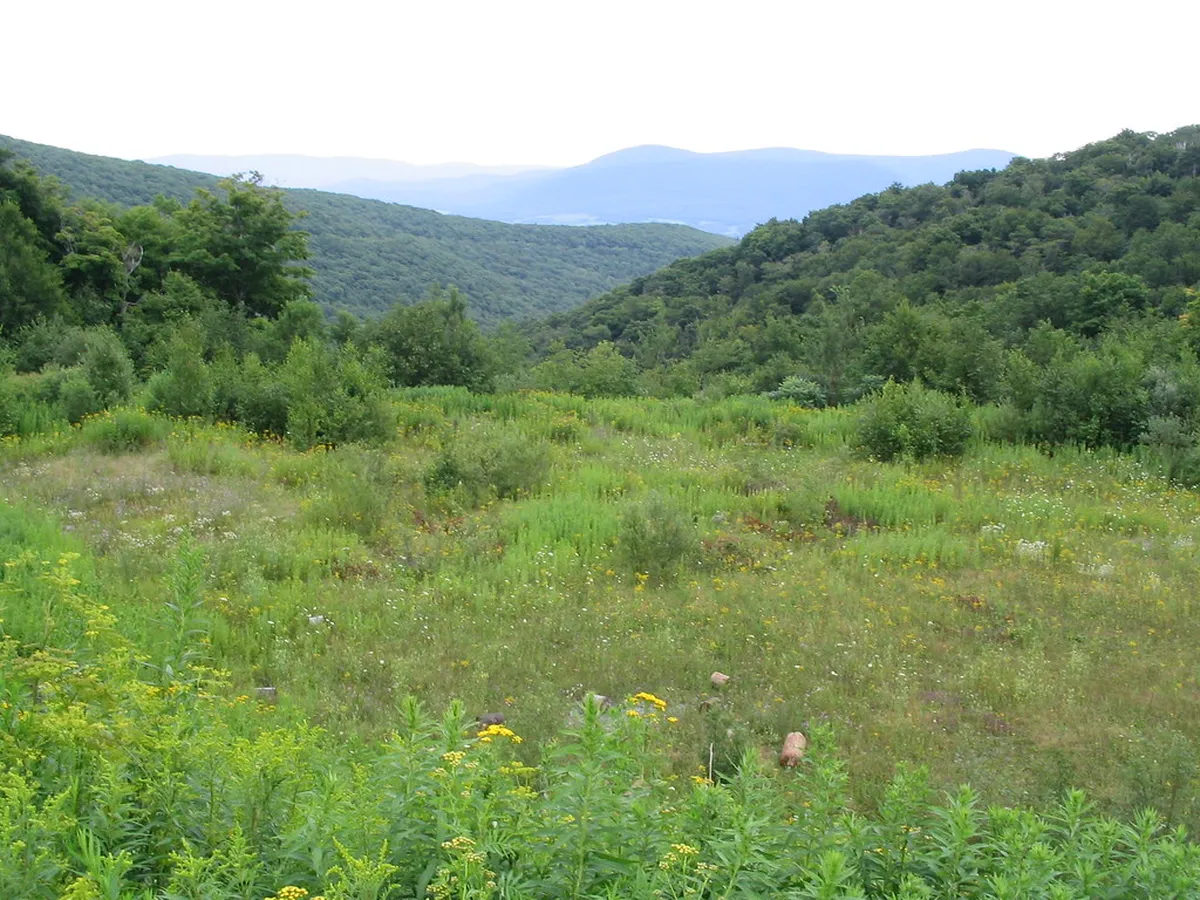
Kent is the Connecticut pick for hikers. The town is best known for Kent Falls State Park, Appalachian Trail access, antique shops, waterfalls, and Litchfield Hills scenery. Its town footprint is very small, though, and that matters more here than at most other stops on this list when you plan a full day. Build the trip around a hike or waterfall stop first, then use town time for shops and food. Do not expect the same density of restaurants or lodging choices that you find in Stowe or Bar Harbor. Kent is best as a deliberate outdoor day, not a fallback after a late start. It can also pair with other Connecticut River or Litchfield Hills stops if you want more variety.
- Best for: hikers, antique browsing, waterfall stops, and shorter Northeast road trips.
- Mobility note: trails and scenery require driving beyond the compact town center.
- Crowd move: park early at popular outdoor stops during peak-color weekends.
- Decision point: choose Essex for river atmosphere and Kent for hiking.
Camden, Maine: Mount Battie harbor views and a quieter Midcoast base
Camden, Maine gives you a Midcoast alternative to Bar Harbor when you still want a Maine coastal base for the fall trip. The town centers on a working harbor beneath Mount Battie, and the summit overlook is the reason many travelers build a day around Camden: it pairs turning hardwoods on the surrounding hillsides with a harbor view lined with schooners. Sailing trips, harbor-side dining, and boutique inns round out the rest of the visit, and nearby Rockland gives you a short add-on if you want a second stop in the same day. Camden sits south of Bar Harbor and Acadia, so it works well for travelers who want Maine coastal color without the same Acadia-weekend crowding. Boutique inns here can book up early for fall weekends, so check where to stay in Camden and reserve before you lock the wider route. Anyone weighing the two Maine towns can build a fuller plan with this Camden weekend getaway guide.
- Best for: sailing, harbor views, boutique-inn weekends, and a lower-pressure Maine coastal base.
- Mobility note: the harbor and Main Street are walkable, but Mount Battie and Rockland need a car.
- Crowd move: hike or drive Mount Battie early for clearer light over the harbor before boat traffic builds.
- Decision point: choose Bar Harbor for Acadia access and choose Camden for a quieter harbor town with the same Midcoast fall color.
Bar Harbor, Maine: Acadia color beside the Atlantic
Bar Harbor is the best fit when Acadia National Park is the reason for the trip. It's a town beside one of the East Coast's major national parks, with driving, hiking, biking, walking, and kayaking all realistic ways to spend a day. Check current park alerts, reservation rules, and road conditions before you commit to a specific route. Fall also changes the town's rhythm after the summer peak. Some travelers like that shift because sidewalks feel less packed than high summer. Others may find shorter seasonal hours. If you are comparing dual-season coastal towns, keep summer small towns open while you plan. Bar Harbor can work in both seasons, but the daily schedule changes.
- Best for: national park days, coastal color, active travelers, and longer road trips.
- Mobility note: the town is useful on foot, but Acadia planning needs transport decisions.
- Crowd move: set one priority park route and one low-pressure town meal.
- Weather move: bring rain layers, because coastal conditions can change during the same day.
Upstate New York alternatives: Lake Placid, Beacon, and easier access
Upstate New York belongs in the shortlist because it solves a practical problem. Many fall guides crowd into Vermont, New Hampshire, and Maine. Lake Placid and Beacon give you a different route when flights, rooms, or drive times point away from New England. The Adirondacks suit travelers who still want mountain color. Hudson Valley towns work better for shorter trips from the Mid-Atlantic. Do not treat these towns as backup only. They can be the smarter plan when Boston flights, Burlington inventory, or weekend traffic create friction. Expect the same timing issue as New England, though. Peak color still moves by elevation, latitude, and weather.
| Alternative | Why choose it | What to watch |
|---|---|---|
| Lake Placid | Adirondack mountain color and a road-trip feel | Longer drives between scenic stops |
| Beacon | Hudson Valley access from the New York area | Weekend day-trip crowds |
| Hudson Valley route | Better fit when you want a shorter fall break | Peak timing can differ from northern New England |
Stillwater, Minnesota: a Midwest river-town alternative
Stillwater, Minnesota solves the same problem Lake Placid and Beacon solve for the Northeast, but for travelers based in the Upper Midwest. As a Minnesota river town, its Main Street runs along the water, and the historic steps that climb away from downtown give walkers an elevated river view without needing a car for the whole day. That combination of river views and a walkable historic core is what makes a fall weekend here work: color along the water can be taken in on foot, then extended into a longer river drive if you want it. Parking fills quickly on weekend afternoons, so plan arrival and parking strategy the way you would for any small-town foliage weekend, and treat Main Street timing as part of the itinerary rather than an afterthought. A 2-day trip is enough to cover the historic steps, the river views, and a relaxed second day without rushing. For hotel picks and a fuller plan, see the Stillwater weekend getaway guide before you lock a date.
- Best for: Midwest travelers, river views, walkable history, and a lower-key foliage weekend.
- Mobility note: downtown and the historic steps are walkable, but a car helps for a longer river drive.
- Crowd move: walk the historic steps and river views earlier in the day before Main Street traffic builds.
- Plan B: check hotel picks close to Main Street so parking strategy matters less if you arrive later.
Budget, booking, and crowd rules for fall foliage weekends
Small towns can feel expensive in October because supply is limited. Verified 2026 lodging rates, restaurant prices, park fees, and ticket prices are not fixed here, since they change by property and season; check official lodging, rail, riverboat, park, and restaurant pages close to your trip. Use $0 town walks, free scenic viewpoints where legally open, and self-guided drives as your budget anchor instead of relying on rate estimates. For the biggest swing, compare a peak Saturday night with a midweek night in the same town. Also compare a famous base with a nearby town 20 miles away. You may keep the same foliage route and lower the lodging pressure.
A useful way to frame the spend is budget versus splurge, using a 3-day Stowe weekend as the example. The lower-cost version arrives Sunday or Monday instead of Friday, books a standard room away from the village core, skips the guided balloon ride in favor of self-guided drives and hikes, and treats dinner as a casual, walk-in-friendly meal. The splurge version books a Friday-to-Sunday stay inside walking distance of the village, adds a paid activity such as ballooning or a guided outing if it is running that week, and reserves a well-known restaurant weeks ahead. The same trade-off applies in Woodstock, Essex, and Bar Harbor: timing and location drive the cost far more than any single ticket price.
- Book lodging first for Woodstock, Stowe, North Conway, and Bar Harbor.
- Choose Sunday through Thursday when your schedule allows.
- Reserve dinner before arrival in towns with small dining rooms.
- Keep one rain plan for every outdoor day.
- Avoid tight transfers on two-lane roads during peak weekends.
- Check current status before paying for rail, boat, balloon, or guided activities.
Best fits by traveler type
A good foliage trip starts with one clear priority. Pick the town that matches that priority, then let the route support it. Families may prefer walkable centers and shorter drives. Hikers should favor North Conway, Kent, Stowe, or Bar Harbor. Food-focused travelers will likely do better in Woodstock or Stowe, where dining is a central part of the appeal. Photographers should plan around early light, not midday sidewalks. Pet travelers should verify lodging rules before booking, then build days around outdoor walks rather than tight indoor plans.
Hikers choosing North Conway, Kent, Stowe, or Bar Harbor need a colder packing plan than village walkers: higher trailheads can start near 3°C (37°F), while lower towns may feel much milder later in the day.
| Traveler type | Best towns | Why it works | Main caution |
|---|---|---|---|
| The hiker | North Conway, Kent, Bar Harbor, Stowe | Trail access and mountain or park scenery shape the day | Weather and parking can change the plan |
| The food planner | Woodstock, Stowe, Manchester | Dinner can anchor the evening after drives | Reservations matter during peak weekends |
| The slow traveler | Essex, Woodstock, Manchester | Village walks, shops, and river or valley drives keep days simple | Paid seasonal activities need schedule checks |
| The photographer | Stowe, North Conway, Bar Harbor, Lake Placid | Early light works well with mountains, water, and village scenes | Midday traffic can eat the best hours |
Traveling with leaf-peeping pups is common on this route, since much of New England leans pet-friendly, but rules vary by property and by trail. Confirm pet policies with each inn before booking, and check whether a state park or national park unit restricts dogs on specific trails, since Acadia and some Vermont and New Hampshire trailheads apply their own leash and access rules.
Common mistakes to avoid before you book
Do not plan a fall foliage trip like a summer beach weekend. Color is uncertain, daylight is shorter, and small towns can close early. Build each day around a primary route and a secondary indoor or low-effort option. Avoid adding too many towns to one day. A 40-mile drive can take longer when every overlook, bridge, and village center pulls traffic into the same lanes. Bring layers for 12°C (54°F) midday walks and 2°C (36°F) early starts. After fall, your next seasonal plan can move toward Christmas town trips or colder-weather routes.
A paid fall activity can be less flexible than a scenic drive: Essex mentions a 1-hour steam train ride, Stowe notes ballooning, and the booking rules say to check operator status before paying.
- Do not chase exact peak color across too many states.
- Do not assume every restaurant keeps late hours in October.
- Do not rely on street parking beside famous village views.
- Do not book a paid outdoor activity without checking weather and operator status.
- Do not skip rain gear, even when the forecast looks clear.
How to Track Peak Color Before You Go
Check foliage conditions during the final two weeks before departure, not when you first book lodging. Treat any peak foliage forecast as a moving estimate, not a fixed date, since color shifts with cold nights, rain, wind, drought, and elevation. A town center can lag behind a nearby mountain road by several days, and if leaf peeping is the actual point of the trip, that gap is worth planning around.
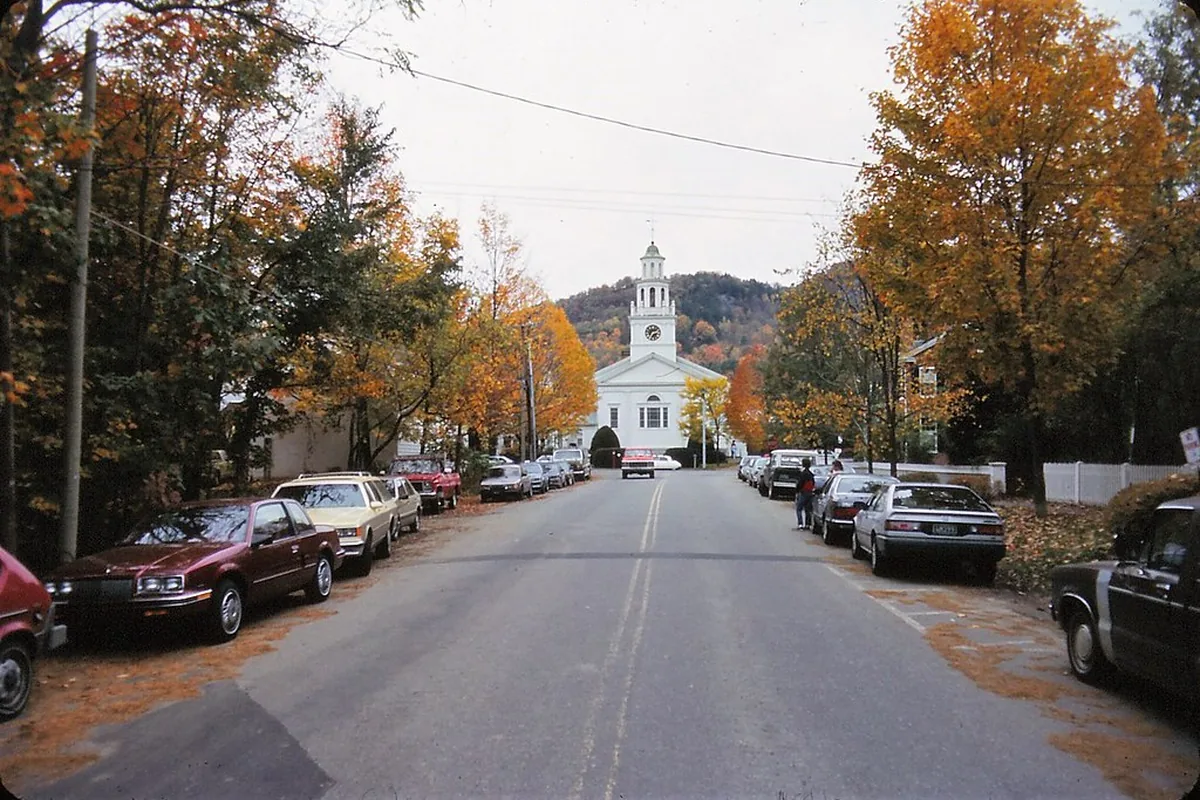
Use state tourism and park sources because they update closer to real conditions. Vermont Vacation publishes fall foliage reports for the Green Mountains and village routes. Visit New Hampshire tracks White Mountains color, including the Kancamagus Highway area. Maine Foliage from the state agriculture department is useful for Bar Harbor and Acadia-side planning. Connecticut’s fall foliage updates help with Essex, Kent, and the Litchfield Hills.
- Early report: aim for higher roads, ridges, and north-facing valleys.
- Peak report: prioritize one scenic drive and book meals around it.
- Past-peak report: shift to river towns, southern valleys, waterfalls, and village walks.
Keep one flexible day if possible. Wind can strip exposed ridges quickly, while protected village streets may still look colorful.
Frequently Asked Questions
What are the best small towns for fall foliage for a first trip?
Woodstock, Stowe, North Conway, Essex, Kent, and Bar Harbor make the strongest first shortlist. Choose Woodstock for village scenery, Stowe for active Vermont days, and North Conway for White Mountains driving.
When is peak fall foliage in New England?
Peak changes every year and moves by latitude, elevation, and weather. Northern and higher areas often color before southern valleys. Use live foliage trackers close to travel week.
Is Boston the best airport for a fall foliage road trip?
Boston is often the practical hub for a multi-state New England loop. Burlington and Manchester can work better for narrower Vermont or New Hampshire trips. Compare car prices and arrival times before choosing.
Which town is better, Stowe or Woodstock?
Pick Stowe for hiking, Smuggler's Notch, breweries, and a more active base. Pick Woodstock for the Green, covered bridges, architecture, and a slower village weekend.
Can you see fall foliage without hiking?
Yes. Essex works well for river scenery, village walks, and train or boat options when operating. Woodstock, Manchester, and Beacon also suit travelers who prefer shops, meals, and scenic drives.
How many days do you need for a small-town foliage trip?
A 3-day weekend works for one base town and nearby drives. Plan 5 to 7 days if you want Vermont, New Hampshire, Maine, and Upstate New York in one route.
Explore More America Guides
Keep planning your America trip with these guides.
America Guides
Free guide: 12 Small-Town Weekend Escapes
A practical starter list of character-filled U.S. towns, the best season to visit, and the trip shape that suits each one.
You might also like


Continue reading
More guides you'll find useful