10 Best Mountain Towns in America for Outdoor Trips, Culture, and Seasonal Trade-Offs
Compare the best mountain towns in America, including Telluride, Jackson, Asheville, Bend, Taos, Stowe, Park City, Leavenworth, and Eureka Springs.
On this page
10 Best Mountain Towns in America for Outdoor Trips, Culture, and Seasonal Trade-Offs
The best mountain towns in America cluster around four regions: the Rocky Mountains (Telluride, Jackson, Park City), the Blue Ridge Mountains (Asheville), the Cascades (Bend, Leavenworth), and the Sierra Nevada high country near Yosemite. Each region trades differently on outdoor access, town culture, and seasonal cost, so the right pick depends on what kind of mountain escape you actually want.
This guide compares them by outdoor access, town feel, seasonality, and planning friction, then adds the logistics that most lists skip — altitude, hiking trails, and driving. That mix of outdoor adventure and small-town magic, not big-city ski resorts, is what makes these picks worth the drive. Use it with our broader guide to small towns in America when you want a wider trip shortlist.
Free guide: 12 Small-Town Weekend Escapes
A practical starter list of character-filled U.S. towns, the best season to visit, and the trip shape that suits each one.
Top-Rated Mountain Towns for Every Type of Traveler
These 10 towns cover the main choices behind the search. Some lean toward technical outdoor access; others make more sense when food, galleries, architecture, or easier browsing matter as much as the trailhead. Most round-ups of America's most beautiful mountain towns are photo galleries that answer where, not why or how — this guide groups towns by trip type, then layers in the seasonal and logistics detail that decides whether a pick works for your dates.
The Adventure Hubs
These towns build the trip around outdoor adventure — skiing, big peaks, and long trail days — with resort-level services to match.
- Telluride, Colorado
- Choose Telluride when you want a resort-town base with serious mountain scenery and a trip built around outdoor time.
- Peak ski and summer hiking periods can raise lodging pressure, so compare dates before you lock in flights or a long drive.
- Remote mountain access is part of the appeal, but it also means you should check road conditions before arrival.
- Jackson, Wyoming
- Jackson works best for travelers who want a high-profile mountain town with strong outdoor-adventure intent.
- The town is often considered alongside Jackson Hole, so check the exact lodging location before judging price or drive time.
- Altitude, winter roads, and dinner demand can all shape the trip more than a flat-map distance suggests.
- Bend, Oregon
- Pick Bend when you want a Cascades-focused trip with a working-town feel and easy access to hiking trails and outdoor days.
- It fits travelers who want trail time, local food, and a less formal resort rhythm in the same stay.
- Summer and winter both work, but shoulder-season weather can narrow your activity choices.
- Park City, Utah
- Park City fits travelers who want a polished resort-town trip with winter-sports energy and strong dining demand.
- Peak winter dates can move the budget into a higher bracket than many smaller mountain towns.
- Use it when you want convenience and services more than isolation.
Charming Cultural Escapes
These towns lead with arts, food, and architecture. Outdoor access is still close by, but it is not the whole reason to go.
- Asheville, North Carolina
- Asheville is the Blue Ridge Mountains choice when culture, food, and mountain drives matter more than a ski-resort setup.
- It belongs on the same shortlist as other East Coast towns when you want Appalachia rather than the Rockies.
- Book with the season in mind, because fall foliage demand can reshape prices and availability.
- Leavenworth, Washington
- Leavenworth suits travelers who want a Cascades town with a distinct built environment and a strong town-center experience.
- Use it when browsing, dining, and scenery need to share space with mountain access.
- Holiday periods can be especially planning-sensitive, so check current event calendars before choosing dates.
- Taos, New Mexico
- Taos is a strong fit when art, architecture, and high-desert mountain culture are central to the trip.
- It gives you a different version of mountain travel than alpine ski towns in Colorado or Wyoming.
- Visitors coming from sea level should pace the first day and hydrate before stacking strenuous plans.
Hidden Gems and Underrated Peaks
These towns trade marquee-resort name recognition for accessibility and a more local pace.
- Eureka Springs, Arkansas
- Eureka Springs works for travelers who want an underrated mountain-town option with a different feel from the major western resorts.
- It is a useful comparison point when you are scanning underrated small towns for a less obvious route.
- Expect a more local-trip decision than a marquee ski-vacation decision.
- Bisbee, Arizona
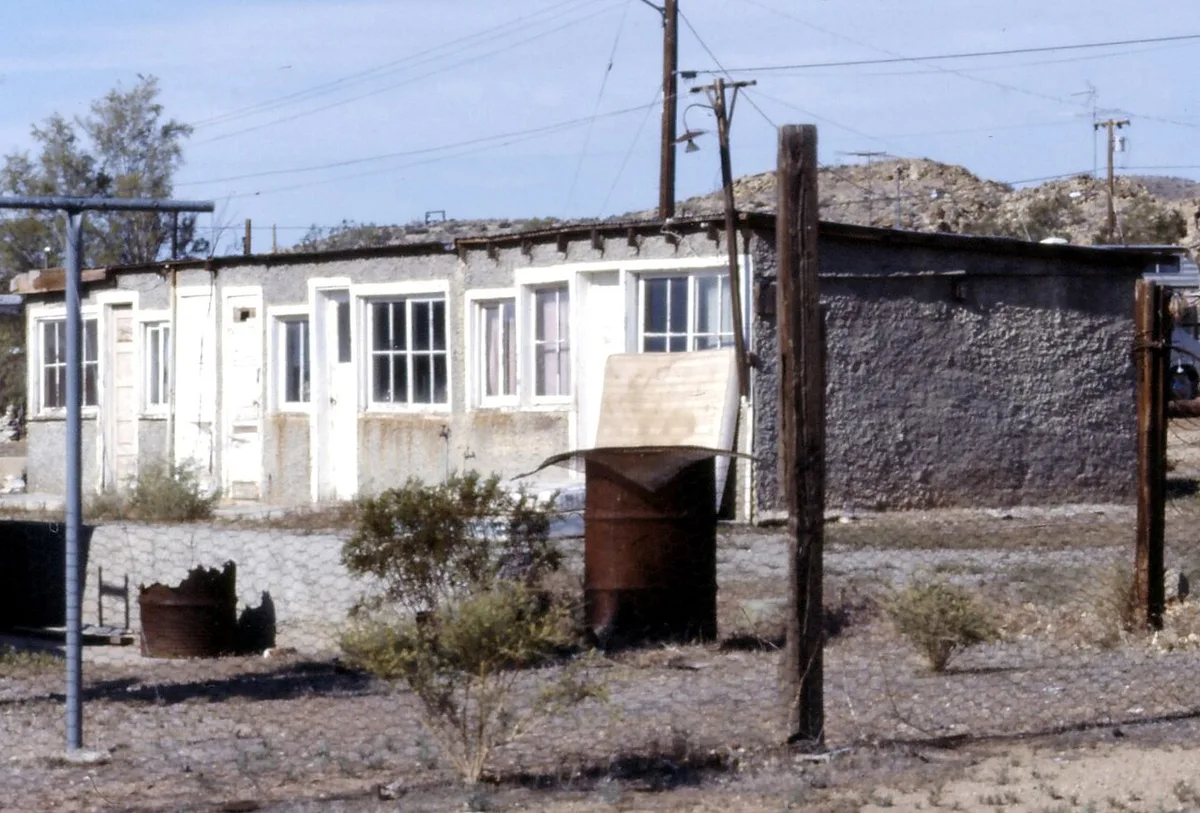
- Bisbee is the Southwest's underrated mountain-town pick, a former copper-mining camp built into steep canyon streets rather than a ski-resort setup.
- The historic core sits above 5,300 feet, and stairs and hillside streets are part of daily movement rather than an optional detour.
- It suits travelers who want copper-mining history and a walkable historic core over trailhead mileage or lift lines.
- Stowe, Vermont
- Stowe is the New England pick when you want a mountain town tied to skiing, foliage, and classic village-scale travel.
- Fall and winter are the big planning windows, so book early for the most competitive dates.
- Compare it with other East Coast options if you want shorter drives from northeastern cities.
How to Choose Your Mountain Destination
Three factors do most of the work. Elevation determines how much altitude adjustment to plan for — Taos and Jackson sit high enough that a slower first day matters. Access determines whether you fly into a regional airport or commit to a longer scenic drive. Town character determines whether you get a polished resort economy or a working town at the same altitude.
Start with the trip you actually want. Choose Asheville or Taos when culture is the anchor. Choose Telluride, Jackson, Bend, or Park City when outdoor access is the main reason to go. Choose Eureka Springs or Stowe when you want a smaller-town rhythm with mountain context. If your larger route includes the Pacific side, compare this shortlist with our guide to West Coast towns before booking.
For culture-first choices like Asheville or Taos, the money check still has to be current: 2026 lodging, ticket, parking, and shuttle prices aren't listed here, and high-demand periods can change availability fast. Confirm directly with each destination's tourism site before booking.
| Town | Primary activity | Relative cost | Planning watchout | Best broad season |
|---|---|---|---|---|
| Telluride | Skiing and big-mountain hiking | Higher (resort) | Longer access planning | Winter or summer |
| Jackson | Outdoor adventure and skiing | Higher (resort) | Altitude and high demand | Winter or summer |
| Bend | Trail time and Cascades access | Moderate (working town) | Shoulder-season variability | Summer or winter |
| Asheville | Food, culture, and scenic drives | Moderate (higher at foliage peak) | Fall foliage demand | Fall or spring |
| Leavenworth | Village browsing and Cascades scenery | Moderate (higher at holidays) | Holiday and event pressure | Winter or summer |
| Taos | Arts, architecture, and high-desert mountains | Moderate | Altitude adjustment | Spring, summer, or fall |
| Stowe | Skiing and fall foliage | Higher (resort) | Peak seasonal pricing | Winter or fall |
These cost tiers are relative — driven by resort versus working-town character and peak-season demand — not quoted rates.
Planning Your Trip: Timing, Seasons, and Booking Windows
Mountain towns can change fast between seasons. Winter brings ski-resort demand in places like Park City, Stowe, Jackson, and Telluride. Summer favors hiking trails, scenic drives, and longer daylight in places like Bend and Leavenworth. May and October need extra care because some businesses, roads, or services may be between seasons. Check current status before building a tight itinerary around one pass, one restaurant, or one activity.
Flexible dates can matter as much as the town choice — peak winter or foliage weekends tighten lodging and dinner plans fastest.
- Winter
- Use winter for ski-focused towns and resort services.
- Expect the strongest demand around holidays and major event periods.
- Check vehicle requirements before driving mountain roads.
- Summer
- Use summer for hiking, scenic drives, and longer outdoor days.
- Popular trail towns can still need early lodging decisions.
- Pack layers because mountain weather can shift during one day.
- May and October
- Treat May and October as planning-sensitive shoulder months.
- Some towns may feel quieter, but weather and seasonal closures can limit choices.
- Confirm current conditions before making a route depend on a single road.
- Booking windows
- Reserve early around outsized-demand events — Park City's Sundance Film Festival, fall foliage weekends in Asheville and Stowe, and Christmas week across ski towns.
- These stretches sell out lodging and dinner reservations well before ordinary peak-season demand.
- Shifting your dates by even a week can open up more availability.
Mountain Logistics: Costs, Travel, and Access
Mountain-town costs can sit 20-40% above comparable lowland trips, especially when fuel, groceries, lodging, and peak dates stack together. Current 2026 ticket, lodging, parking, and shuttle prices aren't listed here — check directly with each hotel, resort, municipality, or tour operator before you budget. For a lower-pressure route, compare resort towns with Midwest small towns or Southern small towns.
- Driving
- Do not judge mountain travel by mileage alone.
- Winter weather and limited alternate routes can add time, and many mountain roads call for all-wheel drive or snow tires.
- Check road conditions on the day you drive.
- Altitude
- High-altitude travel means planning a lighter first day if you arrive from sea level.
- Hydrate before strenuous hikes or ski days.
- Move demanding plans later in the trip when possible.
- Reservations
- Small popular towns can have limited dinner capacity.
- Book important meals before peak winter or foliage weekends.
- Keep one flexible night in case weather changes your timing.
Common Mistakes to Avoid
The biggest mistakes are simple and expensive. Travelers underestimate mountain drive times, assume nearby towns are quick to connect, and pack for only one weather pattern. When scenery is the main goal, compare this article with coastal towns so you choose the landscape that fits the season.
- Building a route around one road
- Mountain passes and scenic highways can be seasonal.
- Check current status before you reserve nonrefundable lodging on both ends.
- Treating shoulder season like peak season
- May and October can bring fewer crowds and fewer services.
- Confirm restaurant openings, road access, and activity schedules.
- Ignoring town personality
- Resort towns can feel polished and expensive.
- Working towns can feel more practical and less packaged.
- Choose based on the trip rhythm you want.
Seasonal Roads and Passes to Check Before You Go
Before linking mountain towns into one road trip, check whether the scenic route is actually open. Some famous drives close for winter or have short operating windows after heavy snow years.
- Independence Pass, Colorado: This high route connects Aspen with the Twin Lakes area, but it typically closes in winter.
- North Cascades Highway, Washington: This road is key for some Cascades itineraries, yet winter snow often shuts the pass for months.
- Tioga Road, California: Yosemite’s high-country route toward Lee Vining and the eastern Sierra Nevada is seasonal and snow-dependent.
Do not assume map apps understand your travel date. A route that looks direct in July may be impossible in February. Check state transportation sites and National Park Service road pages before booking lodging on both sides of a pass. Keep a lower-elevation backup route when your trip depends on one mountain crossing.
Many of these routes cross National Forests and National Parks, where road status can change with snowpack, wildfire, or maintenance schedules. Start with the National Park Service's official park directory, then follow the linked park alerts for any protected landscape on your route.
See our America small-town guide for the broader trip overview.
Frequently Asked Questions
What are the best mountain towns in America for a first trip?
Start with Asheville, Bend, Stowe, Park City, Jackson, or Telluride. Those towns cover culture, outdoor access, skiing, foliage, and resort-style planning.
Which mountain towns are best for culture instead of skiing?
Asheville and Taos are the clearest culture-first choices here. Leavenworth also works when town-center atmosphere matters as much as outdoor access.
When should I avoid booking a mountain town trip?
Be careful with May and October. Those shoulder months can bring weather changes, seasonal closures, and fewer services in some mountain destinations.
Are mountain towns expensive in 2026?
They can be. Mountain towns often run 20-40% more expensive than lowland alternatives because of fuel, groceries, lodging, and demand.
Do I need a car for these mountain towns?
Often, yes. Mountain driving can involve longer travel times, winter conditions, and limited shuttle options, so check current transport details before booking.
Which town should I choose for an underrated mountain trip?
Eureka Springs is the best underrated pick from this shortlist. It suits travelers who want a mountain-town feel without defaulting to a major western resort.
Free guide: 12 Small-Town Weekend Escapes
A practical starter list of character-filled U.S. towns, the best season to visit, and the trip shape that suits each one.
You might also like


Continue reading
More guides you'll find useful