
Best Time to Visit Eureka Springs by Season
Last updated August 2026, the best time to visit Eureka Springs is usually May or October for mild weather, full trip options, and enough seasonal energy without the hardest summer heat. April is the value pick if you want spring color and lower midweek lodging pressure. January and February work best when you want quiet streets, indoor time, and a flexible plan.
Best time to visit Eureka Springs: the quick answer
May and October fit most Eureka Springs trips because they balance weather, activities, and atmosphere. May brings dogwoods, redbuds, waterfalls, and the May Festival of the Arts. October brings fall color, ghost tours, and the strongest foliage-weekend demand. April is the practical runner-up: midweek room rates that month often still mirror winter pricing even though more restaurants and activities are open by then. Winter is the budget-and-quiet choice, but confirm current hours before building a restaurant-heavy itinerary. Summer is strongest for Beaver Lake plans, water activities, and downtown nightlife, though heat and humidity shape every outdoor decision. Three fixed points anchor the calendar no matter when you go: The Great Passion Play runs a defined season rather than staying open year-round, attractions such as Turpentine Creek keep hours that shift with the season, and Beaver Lake only earns its keep as a swim-and-boat destination once summer heat arrives. The Eureka Springs festival calendar is the single biggest driver of lodging pressure, so use the Eureka Springs tourism site before booking event-led trips, because festival dates and venue seasons can change year to year.
| Season | Best for | Typical weather signal | Crowd level | Cost pressure | Main tradeoff |
|---|---|---|---|---|---|
| Spring, March-May | Blooms, waterfalls, hiking, art events | March about 16°C (61°F); May about 25°C (77°F) | Moderate, with busier weekends | Lower midweek in April; stronger in May | Great walking weather, but spring rain can interrupt trails |
| Summer, June-August | Beaver Lake, water sports, long evenings | July can average around 31°C (89°F) | High on weekends | Premium on lake and downtown weekends | Lake time is strong, but humidity can slow steep walks |
| Fall, September-November | Foliage, festivals, ghost tours, scenic drives | October around 21°C (70°F); November around 14°C (58°F) | Highest near late-October foliage weekends | Highest lodging pressure of the year | Color is worth planning for, but book early |
| Winter, December-February | Quiet streets, open views, indoor retreats | January around 8°C (46°F), with freezing nights possible | Low outside event weekends | Lowest relative lodging pressure | Peace is the draw, but closures and icy streets need checks |
Spring: blooms, waterfalls, and April value
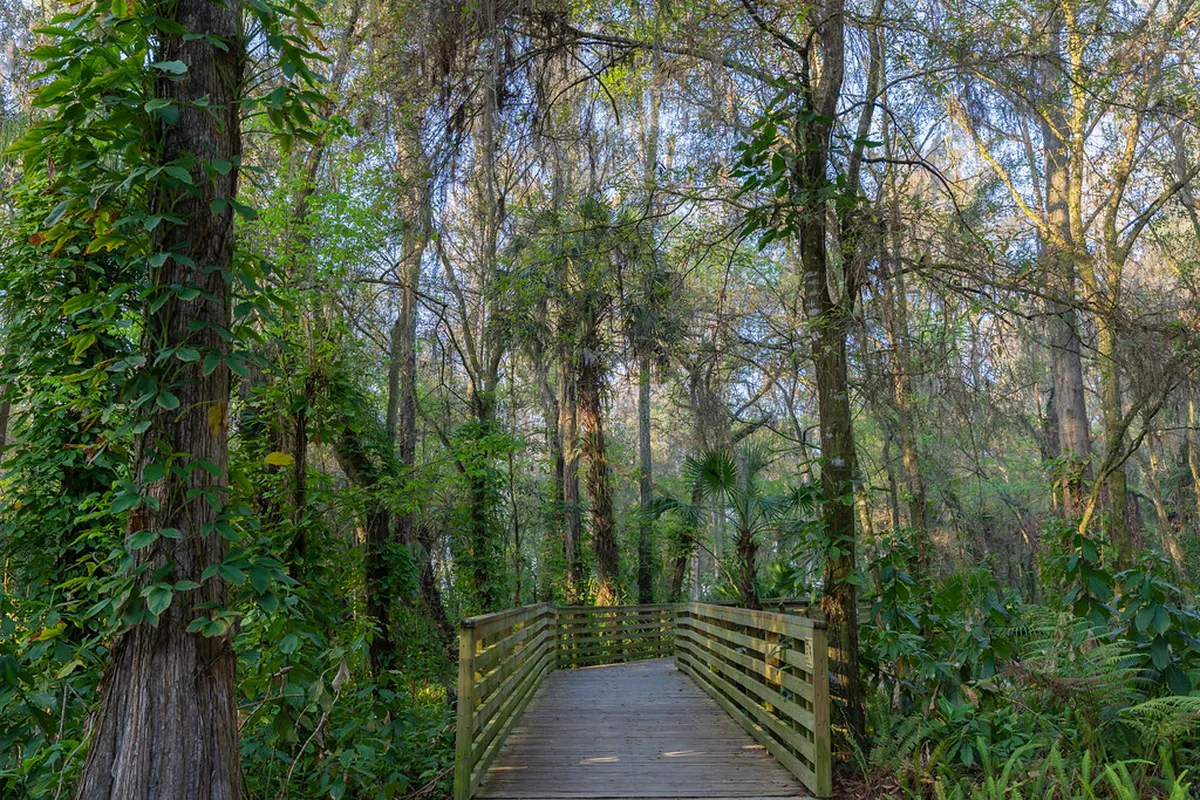
Spring works best when you want outdoor time without summer heat. March can still feel cool at about 16°C (61°F), while April often reaches about 21°C (70°F). May moves closer to 25°C (77°F), which makes patio meals and trail time easier to plan. Spring rain is the main risk, so keep one indoor block for shops, galleries, or a spa appointment. The Arkansas dogwood bloom and flowering redbuds are the season's signature draw, and waterfalls run strongest after wet periods. The Great Passion Play runs a defined season rather than staying open year-round, typically from around May through October, with additional Easter-week performances drawing early spring visitors; check current show dates before treating either window as guaranteed. For a short spring escape, pair this guide with a weekend getaway plan. April is the sweet spot if you can travel Sunday through Thursday, since midweek room rates that month can still be priced like winter even though restaurants and activities are more likely to be open than in deep winter.
- Choose April for the best value mix: spring color, fewer summer crowds, and lower midweek lodging pressure.
- Choose May if the May Festival of the Arts matters more than the lowest room rate.
- Pack rain layers for March, April, and May because waterfalls and spring showers often arrive together.
- Check The Great Passion Play schedule before booking, since it runs a defined seasonal calendar rather than staying open year-round.
Summer: lake days and peak downtown energy
Summer is the right season if Beaver Lake is the center of your trip. June, July, and August bring the heat that keeps Beaver Lake's water temperature comfortable for swimming, boating, fishing, and lake-focused day trips. July can sit around 31°C (89°F), with summer daytime highs commonly running from the mid-80s to the low 90s Fahrenheit. That makes air conditioning a real booking filter, not a luxury detail. A pool also matters if you plan midafternoon breaks; pool access at properties such as the Crescent Hotel is worth checking directly, since guest rules can vary by season. Downtown can feel slow on steep sidewalks during humid afternoons. Start outdoor walks early, then move lake or indoor plans into the hottest part of the day. Summer event planning should stay flexible. Eureka Springs Blues Festival and Opera in the Ozarks anchor the summer calendar, and the official tourism homepage lists additional live music and events. Confirm dates on the official event calendar before you book nonrefundable lodging.
When July can sit around 31°C (89°F), downtown walking works better as a short early outing than the day's main event. Save longer un-ticketed wandering for cooler months, when $0 self-guided walks are still a useful budget anchor.
- Book lodging with air conditioning for June, July, and August.
- Put hilly downtown walking before lunch when heat is easier to manage.
- Use Beaver Lake as the summer anchor, then add the day trips guide for lake and drive ideas.
- Avoid assuming every event repeats on the same weekend each year.
Fall: foliage, festivals, and the highest lodging pressure
Fall is the most competitive season to book because foliage, festivals, and ghost-tour demand stack together. September can still feel warm at about 27°C (80°F), while October often settles near 21°C (70°F). November cools toward 14°C (58°F), which changes what you can comfortably do after dark. Peak color typically lands in late October, not early September. That timing matters if your trip depends on leaf drives or photography. Eureka Springs also sees event-led demand from Oktoberfest, Antique Festival of the Ozarks, Corvette Weekend, and ghost tours. Treat fall weekends as premium lodging periods. Reserve months ahead if late October is your target. Narrow, winding historic loops can slow down when foliage traffic builds, so avoid overloading each day. One strong outdoor plan and one timed ticket or tour is enough. Use Arkansas Tourism for broader Ozarks context, then check local sources for the actual week-by-week color and event timing.
- Choose late October for the best fall-color odds.
- Choose early November if you want cooler air and can accept less certain foliage.
- Book fall lodging earlier than spring or winter lodging.
- Plan extra driving time on historic loops and scenic routes during foliage weekends.
- Use the 2-day itinerary if you need a tighter fall plan.
Winter: quiet streets, open views, and closure checks
Winter is the best season for solitude, bare-tree views, and indoor retreats. January averages near 8°C (46°F) by day, and nights can drop below freezing. Snow and ice are not constant, but steep, narrow streets make even rare winter weather important. Avoid booking a winter trip around a single restaurant, show, or shop unless you confirm current hours first. Some shops close for the season while many stay open, and that split shifts from year to year, so check the specific business before you build a day around it. Winter also gives photographers cleaner sightlines because leaves are off the trees, and that same bare-tree visibility makes this a popular season for eagle watching around the lakes and bluffs. Black Bass Lake and Lake Leatherwood are solid winter walking options, but check trail conditions after ice. Ozark Mountain Music Festival and Paranormal Weekend are the two events most likely to shape a January trip. Do not assume one year's dates repeat exactly the next year. Look up the current schedule before you lock lodging.
- Choose January for the quietest feel outside event weekends.
- Check restaurant and shop hours before each winter day.
- Avoid steep walks during ice or freezing rain.
- Build a backup plan around museums, galleries, spa time, or indoor dining.
- Keep $0 self-guided downtown walks as a stable budget anchor, while lodging varies by event demand.
Crowd vs. cost matrix by month
Eureka Springs pricing changes most around weekends, foliage, lake season, and events. There is no single stable published hotel-dollar range for the town, so do not build a 2026 budget around a fixed nightly number. Instead, compare relative pressure and check live lodging inventory through your booking site or the local where to stay guide. The concrete local-currency anchor is $0 for self-guided downtown browsing, no-ticket scenic walks, and independent foliage drives. Lodging is the part that swings. April midweek is the clearest value play on the calendar. Late October weekends are the single highest-pressure lodging window of the year. Summer lake weekends sit between those two, with heat and water demand pushing earlier reservations.
| Month | Crowd pressure | Relative lodging pressure | Best use | Watch-out |
|---|---|---|---|---|
| January | Low except event weekends | Lowest relative pressure | Quiet walks and indoor retreats | Check closures and icy streets |
| February | Low to moderate | Low | Mardi Gras-season planning and winter downtime | Event dates change each year |
| March | Moderate | Rising | Early blooms and waterfall checks | Cool rain can disrupt trails |
| April | Moderate | Good midweek value | Dogwoods, redbuds, and lower weekday pressure | Weekends can fill around events |
| May | Moderate to high | Rising | Arts events and full spring trips | Rain remains possible |
| June-August | High on weekends | High | Beaver Lake and summer events | Heat, humidity, and parking stress |
| September | Moderate | Rising | Warmer fall trips before peak color | Too early for reliable peak foliage |
| October | Very high on foliage weekends | Highest | Fall color and ghost tours | Book months ahead |
| November | Moderate | Falling after foliage | Cooler walks and quieter late fall stays | Color can fade quickly |
| December | Low to moderate | Low outside holiday demand | Holiday atmosphere and indoor time | Short daylight and closure checks |
Activity-specific timing for hiking, photos, ghosts, and lake days
Match the month to the activity instead of asking for one perfect season. Hiking is strongest in spring and fall. Spring gives flowers, running water, and fewer bugs, while fall gives better views and cooler walking weather. Photography works well in late October for color and in winter for bare-tree views. Ghost tours fit October if atmosphere matters. January can also work if Paranormal Weekend is scheduled and you prefer smaller crowds. Beaver Lake belongs in the summer plan because heat supports swimming and water sports. Outdoor-heavy travelers should scan the things to do guide before choosing dates, because the right season depends on your top 3 activities. Attractions such as The Great Passion Play, Turpentine Creek, and Beaver Lake itself each keep their own seasonal hours, so build a day around confirmed hours rather than the calendar alone. Hilly sidewalks, stairways, and narrow streets are part of the Eureka Springs experience everywhere in town, which means season matters more here for mobility than it would in a flat town. Travelers who use mobility devices, or who simply find hills tiring, generally fare best in spring and early fall, when the streets are dry and the temperatures are moderate; summer humidity and winter ice both raise the physical cost of the same stairways, even though nothing about the map changes.
If early November is tempting, remember that November around 14°C (58°F) changes the fall tradeoff: cooler walks and easing lodging pressure after foliage, but less reliable color than late October. Choose it for breathing room, not peak-leaf certainty.
- Best hiking: April, May, October, and early November.
- Best waterfall odds: spring after rain.
- Best lake timing: June through August.
- Best foliage target: late October, with week-by-week checks before booking.
- Best low-crowd photos: January or February, when bare trees open views.
- Best ghost-tour atmosphere: October, with January as an event-led alternative.
Planning mistakes to avoid by season
The biggest timing mistake is treating Eureka Springs as the same trip in every month. Spring needs rain flexibility. Summer needs heat planning. Fall needs early lodging decisions. Winter needs operating-hour checks. Another mistake is expecting September to deliver peak foliage; peak color typically arrives in late October instead. A third mistake is packing too many timed stops into a fall Saturday, when traffic and parking can slow down the day. Keep your plan smaller when the town is busy. Summer travelers often underestimate humidity on steep streets. Schedule downtown walking before the day heats up, then shift to Beaver Lake or indoor stops. Winter travelers should not assume every restaurant, shop, or attraction is open daily. Check the current status the week of travel. Seasonal trips work better when you anchor each day with one priority and leave space around it.
- Do not book deep winter around one must-visit restaurant without checking hours.
- Do not expect peak fall color in early September.
- Do not plan summer hiking for the hottest part of the afternoon.
- Do not assume The Great Passion Play operates outside its defined season.
- Do not leave October lodging until the last minute.
Planning logistics: mid-week savings, booking windows, and getting around
Two levers matter more than the season itself: which nights you book, and how far ahead. Sunday-through-Thursday stays consistently undercut weekend pricing in every season, including April, when midweek rates can still run close to winter levels even as the town fills back up with open restaurants and activities. Shifting a trip from a Friday-Saturday anchor to a Sunday-Wednesday one is often the single biggest lever a flexible traveler has over cost, bigger than picking a cheaper month.
Booking windows matter as much as the day of the week. Late-October foliage weekends and summer lake weekends fill first and are worth locking in months ahead. Winter weekdays and early spring weekdays are the safest dates to book close to arrival, since demand outside event weekends is thin. Treat any date tied to a named festival, a Play performance, or a lake holiday as a peak-booking date regardless of what the season alone would suggest.
Eureka Springs is compact on a map, but the Historic District sits on steep, winding streets, so transportation timing is part of the season decision too. On busy fall weekends, parking near Spring Street, Main Street, and Basin Spring Park can fill before late morning; arrive early, or leave the car at your lodging if you can walk safely.
The Eureka Springs Transit trolley is useful when you want downtown access without repeatedly moving the car. Its routes and trolley schedule can change by season, so check Eureka Springs Transit directly before relying on it for dinner, a tour, or a return trip after dark. The Transit & Welcome Center on West Van Buren is a practical starting point for first-time visitors.
- Summer: use the trolley or short rides to avoid hot uphill walks.
- Fall: allow extra time around foliage traffic and event weekends, and book lodging months ahead of late October.
- Winter: avoid steep walks during ice, freezing rain, or slick nights, and feel free to book closer to the date since demand is thin.
- Spring: book April midweek early for the value window, since May weekends around the Arts Festival fill faster.
Frequently Asked Questions
What is the overall best month to visit Eureka Springs?
May is the best all-around month for many travelers because spring activities, art events, and mild weather line up well. October is equally strong if your priority is fall color and ghost-tour atmosphere.
When can I see fall colors in Eureka Springs?
Plan around late October for the best odds. September is usually too early if your trip depends on peak foliage.
Is Eureka Springs worth visiting in winter?
Yes, winter works if you want quiet streets, open views, and indoor time. Check current restaurant, shop, trail, and event status before you build each day.
When is Eureka Springs cheapest to visit?
Winter usually has the lowest relative lodging pressure, and April midweek can be a strong value window. There is no single stable hotel-dollar range for the town, so compare live rates before booking.
Is summer too hot for Eureka Springs?
Summer is manageable if your plan centers on Beaver Lake, air-conditioned lodging, and early outdoor walks. July can reach about 31°C (89°F), so avoid steep downtown walking during peak afternoon heat.
How far ahead should I book a fall trip?
Book late-October foliage weekends months ahead when possible. Demand is strongest when color, festivals, ghost tours, and weekend travel overlap.