
Gettysburg 2 Day Itinerary for a First-Time Weekend
A Gettysburg 2 day itinerary works best when you split it by perspective: Day 1 covers the military story at the battlefield, and Day 2 covers the civilian and town story. Start at the Visitor Center for context, then move through Little Round Top, Devil’s Den, and Pickett’s Charge before shifting to house museums, downtown shops, and an evening tour. Plan for an extra hour of buffer time.
At a Glance: The Gettysburg 2 Day Itinerary Loop
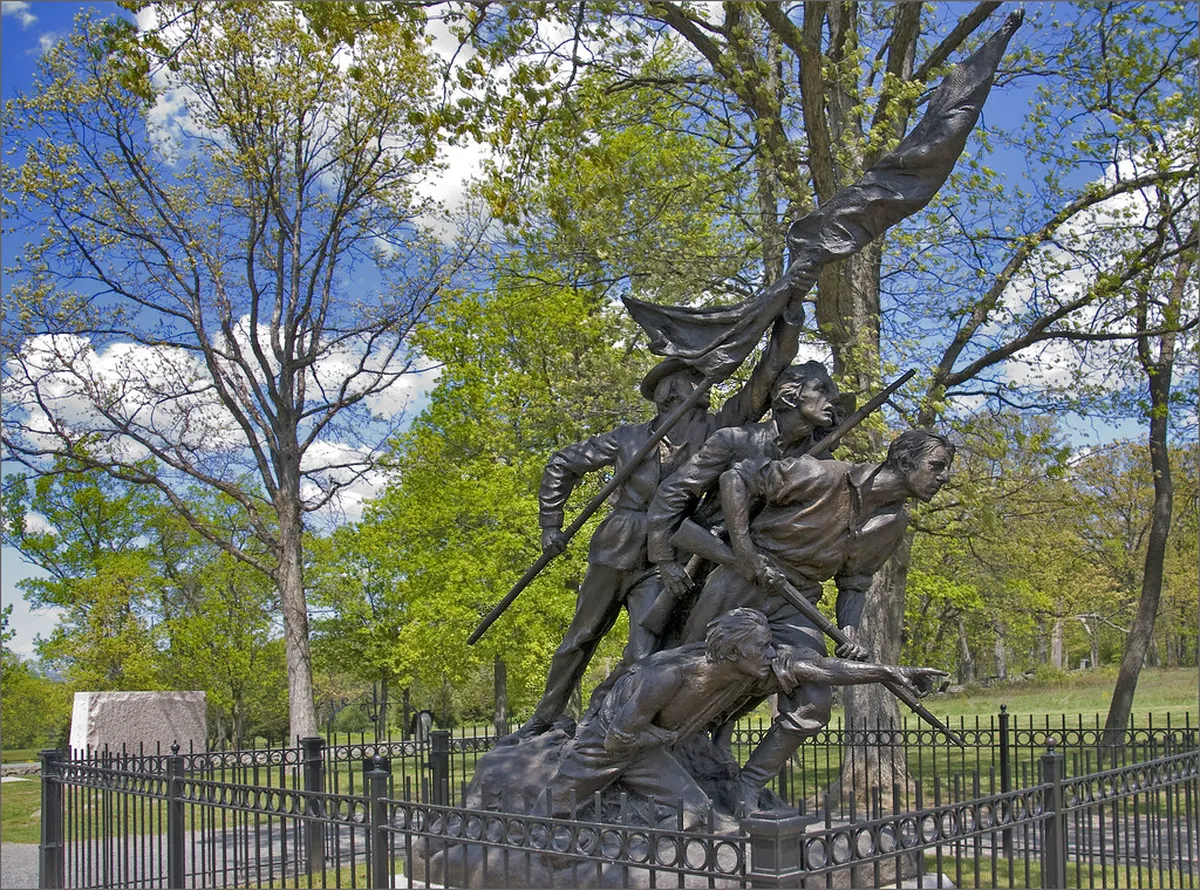
This loop gives Day 1 to the military perspective—the battlefield, the terrain, and the army movements—and Day 2 to the civilian perspective, when Gettysburg was a small Adams County farm town caught between two armies for three days in July 1863. Use Destination Gettysburg for current local planning and events before you lock the weekend, and check when to visit Gettysburg before choosing a summer or fall date. For a longer list of stops beyond this two-day frame, keep things to do in Gettysburg on hand while you protect the battlefield and town blocks below.
A 3-hour battlefield plan can edge toward 4 hours, so keep Day 2’s town stops clustered on foot after parking. That split leaves room for a slower cemetery stop without turning dinner into a rush.
| Time | Day 1: Military perspective | Day 2: Civilian perspective |
|---|---|---|
| Morning | Gettysburg National Military Park Museum & Visitor Center, film, Cyclorama, and museum exhibits | Shriver House Museum or Jennie Wade House |
| Afternoon | Battlefield drive with Little Round Top, Devil’s Den, and Pickett’s Charge areas | Gettysburg Museum of History, local shops, and Lincoln Square area |
| Late afternoon | Gettysburg National Cemetery for the Gettysburg Address setting | Appalachian Brewing Company or Fourscore Beer Co., after checking current status |
| Evening | Dinner with historic atmosphere, such as Dobbin House Tavern after confirming reservations | Ghost tour or haunted pub crawl, chosen by history level and scare level |
Day 1 Morning: Start With the Visitor Center Before the Battlefield
Begin at the Gettysburg National Military Park Museum & Visitor Center. Seeing the film and Cyclorama first is the better sequence, because the battle here—one of the Civil War’s pivotal clashes between Robert E. Lee’s Confederate army and Union forces in July 1863—makes far more sense once you understand the stakes and the terrain. Doing the film, Cyclorama, and battlefield tour before the deeper museum galleries also keeps energy for the parts of the day that reward it most. Plan the morning around tickets, restrooms, water, and a clean starting point for the auto route.
Check the National Park Service’s official Gettysburg page for current hours and any park-wide alerts before you build the morning around a specific ticket window, since NPS.gov reflects the park’s own schedule rather than a third-party listing.
- Arrive early enough to handle tickets and orientation without rushing the rest of Day 1.
- Watch the film “A New Birth of Freedom” before going outside.
- See the Cyclorama before the battlefield loop, because Pickett’s Charge becomes easier to place on the landscape.
- Use the museum exhibits after the film and Cyclorama if your group still has energy.
- Check current ticket and tour details before arrival, because operator pricing and timed access can change.
Day 1 Afternoon: Drive the Battlefield With Context
Use the afternoon for the battlefield itself. A Licensed Battlefield Guide works best if you want questions answered in real time and a route shaped around your interests; on many guided tours the guide drives their own car ahead of yours, narrating each stop over a phone speaker or radio so the group can follow at a natural pace. A self-guided auto tour works better if you want lower cost, flexible stops, and more control over breaks. Little Round Top, Devil’s Den, and Pickett’s Charge are the three stops worth protecting time for, but check Little Round Top’s current status before you go, since restoration work has caused periodic closures.
| Choice | Best for | Trade-off |
|---|---|---|
| Licensed Battlefield Guide | First-time visitors, families, and history-focused travelers | Higher cost, but more interpretation and fewer navigation decisions |
| Self-guided auto tour | Flexible pacing and budget control | Lower cost or free structure, but you manage the route yourself |
| Bus tour | Travelers who do not want to drive the field | Less private pacing than a car-based guide |
Day 1 Battlefield Route: Little Round Top, Devil’s Den, and Pickett’s Charge
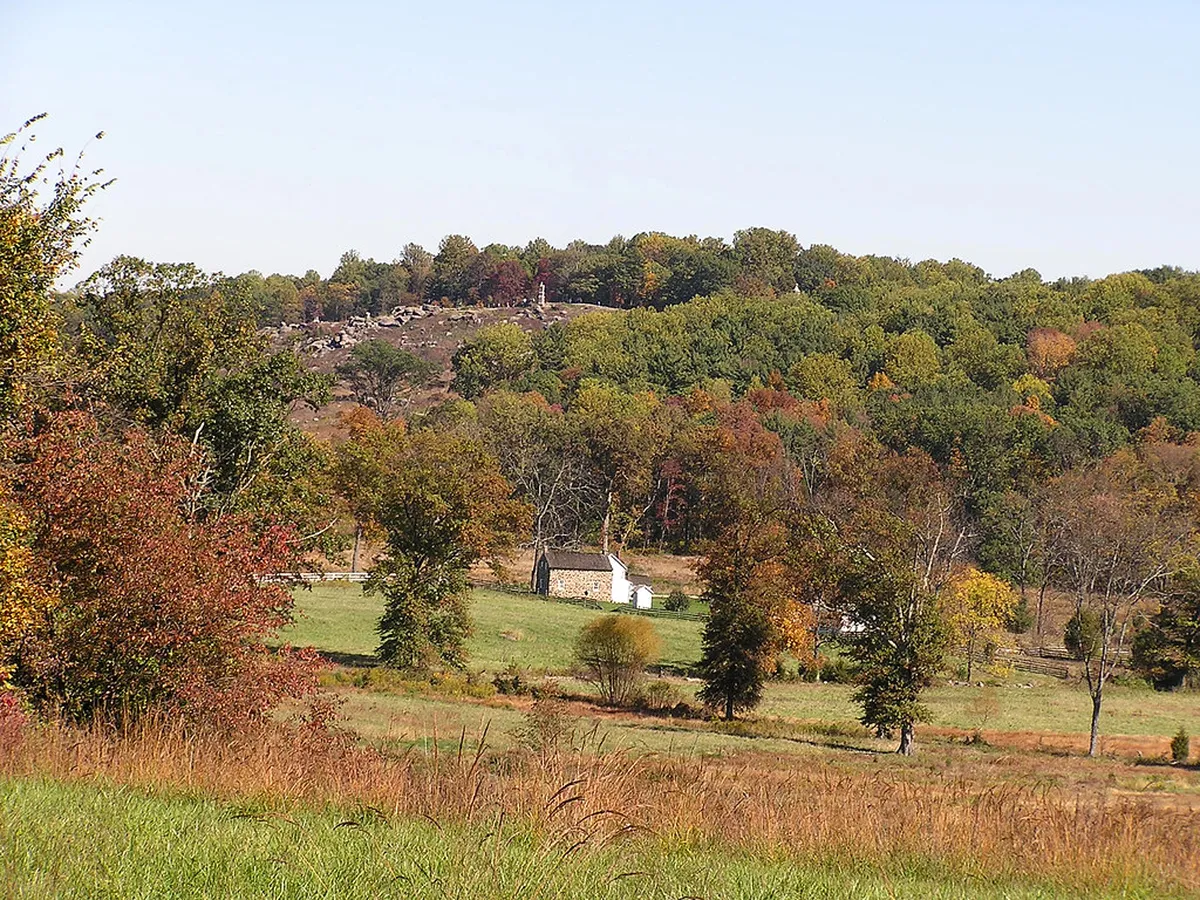
Keep the route simple. Follow the battlefield sequence instead of bouncing between monuments and town. Stop when the terrain explains the story, especially around Little Round Top, Devil’s Den, and the Pickett’s Charge area. Open-field exposure matters in summer, so carry water and avoid treating every marker as a required stop.
- Use the Visitor Center as the mental starting point, even if your driving route shifts by parking or closures.
- Prioritize Little Round Top if access is open, because it anchors the Union defensive line and the view explains the terrain better than any map.
- Add Devil’s Den if your group can handle uneven ground and extra walking.
- Save time for the Pickett’s Charge landscape, since the Cyclorama helps explain this part of the battle.
- Expect a 3-hour plan to push toward 4 hours if your guide adds stops or your group reads monuments closely.
Day 1 Evening: National Cemetery and a Historic Dinner
End the battlefield day at Gettysburg National Cemetery, formally the Soldiers’ National Cemetery, where Abraham Lincoln later delivered the Gettysburg Address. It works better as a reflective final stop than a rushed first stop, giving the day a natural close after the battlefield’s open fields and heavier stories. Afterward, choose dinner based on energy. Dobbin House Tavern fits a historic-atmosphere evening, while Blue & Gray Bar & Grill fits a more casual sports-bar meal. For the broader weekend shape, use the Gettysburg weekend guide to decide how formal you want dinner to feel.
- Choose Dobbin House Tavern when you want the evening to stay tied to older Gettysburg settings.
- Choose Blue & Gray Bar & Grill when your group wants casual food and a lower-planning dinner.
- Keep National Cemetery quiet and unrushed, especially after a long battlefield afternoon.
- Confirm restaurant status, hours, and reservations before the trip.
Day 2 Morning: Choose Shriver House or Jennie Wade House
Day 2 should change the lens from armies to civilians. For three days in July 1863, Gettysburg was a small Adams County farm town caught between two armies, and that civilian story gets far less attention from most itineraries than the battlefield does. Shriver House Museum focuses on one family’s ordeal during the occupation, including the attic that Confederate soldiers used as a sniper’s position, with marks from that use still part of the tour today. Jennie Wade House focuses on Gettysburg’s only confirmed civilian death during the battle. Choose one if your group gets museum fatigue. Choose both only if everyone still wants more indoor history after Day 1.
Both civilian houses fit best when everyone still has energy for 2 house-museum experiences; otherwise, save attention for relics, shops, and the evening tour. Pick one morning story if Day 1 ran long on the battlefield.
| Museum | Choose it for | Best reader fit |
|---|---|---|
| Shriver House Museum | A household view of the battle and civilian disruption | Families and visitors who want one contained civilian story |
| Jennie Wade House | A focused story tied to Gettysburg’s civilian casualty narrative | Travelers who want a shorter, more direct stop |
| Both | A fuller civilian morning | History-focused visitors with enough energy for 2 house-museum experiences |
Day 2 Afternoon: Downtown Gettysburg, Relics, Shops, and a Reset
After the house museum, move into downtown Gettysburg. The Gettysburg Museum of History adds relics and object-based context, while shops give your group a lower-intensity break. Keep this part walkable if you are staying near Lincoln Square. If your lodging is closer to Steinwehr Avenue, decide whether to park once and walk or return to your room before dinner.
- Visit one civilian museum first, before attention drops.
- Add the Gettysburg Museum of History if artifacts interest your group.
- Use local shops as a low-effort break between museums and dinner.
- Stop at Hunt’s Battlefield Fries if your group wants a savory quick bite instead of, or alongside, ice cream.
- Choose Cone Sweet Cone or Mr. G’s for ice cream if your group needs a short stop.
- Check current status for every small business before building the day around it.
Day 2 Late Afternoon and Evening: Beer, Food, and Ghost Tours
Late afternoon is your reset point. Appalachian Brewing Company and Fourscore Beer Co. are the two local craft-beer stops worth building this window around, but check current hours and status before choosing one. Evening ghost tours work best when you pick by tone. Some tours lean history-heavy, while haunted pub crawls and scare-forward walks suit groups that want a livelier end to the weekend.
| Evening choice | Pick it when | Planning note |
|---|---|---|
| History-heavy ghost walk | You still want interpretation tied to town stories | Better for mixed-age groups when the route is appropriate |
| Scare-heavy ghost tour | Your group wants performance and atmosphere | Check age guidance and current tour details |
| Haunted pub crawl | Adults want drinks with the evening route | Confirm route, availability, and booking rules |
Transport and Timing: Car for the Battlefield, Walking for Town
Gettysburg works best when you separate car time from walking time. The battlefield needs a car unless you book a tour format that handles transportation, since the auto tour route stretches across a landscape too large to cover on foot in a weekend. Downtown is easier on foot once you park near your target area. Visit Pennsylvania is useful for broader state trip planning, and if Gettysburg is one stop on a longer drive, the best East Coast road trips guide covers how it can fit into a wider loop.
- Use a car for the battlefield, because the stops are spread across a large landscape.
- Walk the town center once you are parked, especially around museums, shops, and dinner.
- Buffer the battlefield block by at least 1 extra hour when using a guide.
- Carry water in warm months, because battlefield stops can involve open fields and sun.
- Check road, park, and attraction status before the trip when restoration work or events may affect access.
Budget Anchors for a 2 Day Gettysburg Trip
Plan on a baseline of $15–$20 per adult for the full Visitor Center experience—the film, the Cyclorama, and the museum galleries—though ticket tiers, senior pricing, and student pricing vary and should be confirmed directly before you book. One visitor review recalled paying $40 for two senior tickets to the film and Cyclorama alone, a useful reminder that add-ons and bundles can push the total higher than the base rate suggests. Treat both figures as planning anchors, then verify current prices on the Gettysburg Foundation’s ticket page, since it is the park’s official ticketing and tour-booking partner and rates change over time. For paid choices, the guide-versus-self-guided decision will shape your biggest single activity cost.
| Item | Typical planning price | How to use it |
|---|---|---|
| Visitor Center full experience | $15-$20 per adult | Use as a baseline when comparing paid orientation options |
| Film and Cyclorama senior example | $40 for two seniors | Use only as a reported visitor-review anchor, then verify current rates |
| Self-guided battlefield option | Low or free | Choose when cost matters more than live interpretation |
| Licensed Battlefield Guide | Higher than self-guided | Choose when questions, route control, and storytelling matter most |
Where to Stay for This Route
Choose lodging by how you want the weekend to move. Steinwehr Avenue works well if walking distance to the park side matters. Lincoln Square works better if boutique hotels, dining, and town walks matter more. The right base depends on whether your priority is battlefield access or downtown evenings. Use where to stay before booking, because that choice affects parking and dinner logistics.
- Stay near Steinwehr Avenue if you want easier access to park-focused stops.
- Stay near Lincoln Square if restaurants and downtown walks matter more.
- Pick one base for both nights to avoid repacking during a short itinerary.
- Check parking details before booking, because a walkable room can save time.
When to Add More Time Beyond 2 Days
Two days are enough for a first visit if you keep the route disciplined. Add a third day if you want slower museums, more battlefield stops, or a nearby extension. Hershey and Antietam are the two most common add-ons for travelers stretching this trip into a longer Pennsylvania loop. If you’re weighing this trip against other short getaways, it holds up well among the best long weekend trips in the USA. Use 8 Best Day Trips From Gettysburg: Drive Times, Routes, and Planning Tips only after your core battlefield and town plan is protected.
- Add time if your group wants both Shriver House and Jennie Wade House without rushing.
- Add time if you want a deeper battlefield route beyond the key stops.
- Add time if Hershey or Antietam is part of the same Pennsylvania trip.
- Keep the 2-day version focused if this is your first Gettysburg weekend.
How to Follow the Battlefield Auto Tour Route
The battlefield is easier to understand if you follow the official Auto Tour sequence instead of choosing monuments at random. The National Park Service route uses numbered stops across the Union and Confederate lines, so the landscape builds in order. Start from the Visitor Center area, then work through McPherson Ridge, the Eternal Light Peace Memorial, Oak Ridge, and the Seminary Ridge area before crossing toward the second and third day sites.
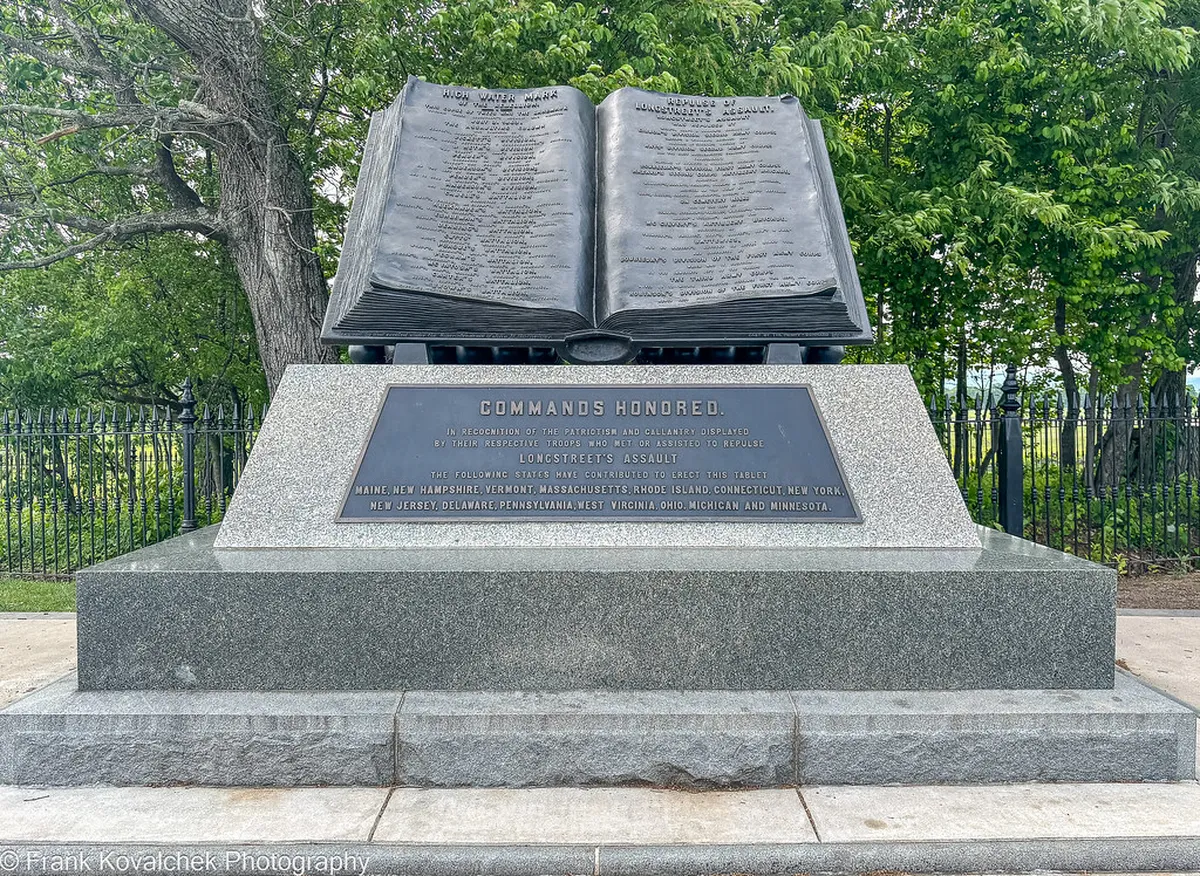
For a first visit, do not treat every marker as equal. Use the route numbers as a spine, then give more time to the places already central to this itinerary:
- Little Round Top for the Union left flank and elevated terrain.
- Devil’s Den for rocky ground, walking time, and photography stops.
- The High Water Mark and Pickett’s Charge field for the battle’s final assault.
Download or pick up the current park map before leaving the Visitor Center. Road work, event traffic, and restoration closures can change the cleanest driving order, and the same map makes it easier to see how far Adams County’s rural roads separate one stop from the next.
Frequently Asked Questions
Is 2 days enough for Gettysburg?
Yes, 2 days are enough for a strong first visit if you split the trip clearly. Use Day 1 for the Visitor Center, battlefield, and National Cemetery. Use Day 2 for civilian museums, downtown, food, and a ghost tour.
Should I visit the Gettysburg Visitor Center before the battlefield?
Yes. Seeing the film and Cyclorama before the battlefield gives you context for the 1863 conflict, so Little Round Top, Devil’s Den, and Pickett’s Charge feel like connected chapters in one story instead of disconnected stops.
Do I need a car for this Gettysburg 2 day itinerary?
You should plan on having a car for the battlefield portion. The town center is more walkable once you park. A guided or bus-based option can reduce navigation, but you still need to confirm current tour details.
Is a Licensed Battlefield Guide worth it?
A Licensed Battlefield Guide is worth considering for a first visit, especially if your group wants questions answered during the route. A self-guided auto tour is better when you want lower cost and more control over pacing.
Which civilian museum should I choose with limited time?
Choose Shriver House Museum if you want a family-focused civilian story from the battle period. Choose Jennie Wade House if you want the story of Gettysburg’s only confirmed civilian death during the battle. Pick one if your group already feels tired after Day 1.
How should I budget for Gettysburg tickets?
Use $15-$20 per adult as a starting baseline for the full Visitor Center experience. Some visitors report paying more for add-ons, such as senior-priced film-and-Cyclorama bundles, so verify current prices directly with the Gettysburg Foundation before booking.