
Best Time to Visit Gettysburg
Last updated August 2026. The best time to visit Gettysburg is usually midweek in May or September if you want mild battlefield weather, strong tour access, and fewer peak-season crowds. July brings the anniversary energy, October brings fall color and ghost tours, and winter works best for quiet museum time and low-pressure planning.
The Best Time to Visit Gettysburg: At a Glance
May and September give you the cleanest balance for a first Gettysburg trip. Daytime walking is easier than in July, school and weekend groups are more manageable than peak summer, and most town services are easier to plan around than in deep winter. If history events matter most, build your trip around July 1-3 or November 19. If price matters most, look at weekdays from December through March, then compare lodging before you lock flights or driving dates. The battlefield itself is the anchor in every season, but your comfort changes a lot with heat, daylight, and program availability.
- Choose May for spring fields, comfortable walking, and a good chance of seasonal programming.
- Choose September for warm days, fewer summer families, and easier restaurant planning.
- Choose July 1-3 for Battle of Gettysburg anniversary context, but expect heat and heavier demand.
- Choose mid-to-late October for Adams County fall color and ghost-tour demand.
- Choose winter for quieter battlefield roads, indoor exhibits, and lower-pressure lodging searches.
Season Comparison Table: Weather, Crowds, Price, and Events
Use this season comparison table as your planning shortcut. Temperatures are practical planning ranges, not a guarantee for your exact travel dates. For a deeper look at Gettysburg weather by month, cross-check NOAA's Adams County forecast at weather.gov before you pack, especially if you plan long battlefield walks or an open-air tour.
| Season | Weather | Crowds | Price Pattern | Event Availability | Best For |
|---|---|---|---|---|---|
| Spring, April-May | April can reach about 18°C (64°F), while May often feels closer to 23°C (73°F). Rain layers still matter. | Moderate, with school groups and stronger weekends. | Usually below July and October weekends, especially midweek. | Ranger and living-history schedules may expand, but you should verify current calendars. | First visits, walking tours, and balanced weather. |
| Summer, June-August | July can reach about 30°C (86°F), with humidity and afternoon storms possible. | Highest around weekends, holidays, and July 1-3. | Peak lodging pressure. One current 2026 hotel-rate spot check showed July rates from $175.49, while July 4 demand can run much higher on aggregator calendars. | Most seasonal tours are easier to find, but sellouts are more likely. | Anniversary trips, families on school break, and long daylight. |
| Fall, September-November | September can reach about 25°C (77°F). October often cools toward 19°C (66°F). November can drop near 12°C (54°F). | Moderate in September, heavier in October, focused around November events. | October weekends can price like peak season. November weekdays often soften outside event dates. | Fall festivals, ghost tours, Remembrance Day, and Dedication Day shape demand. | Foliage, evening tours, and history-focused November travel. |
| Winter, December-March | January can sit near 3°C (38°F). March may climb toward 11°C (52°F), but wind changes comfort fast. | Lowest overall, except holiday periods. | Often the cheapest time to visit Gettysburg, especially Sunday-Thursday. | Outdoor programming is thinner, and some services may use winter schedules. | Museums, quiet battlefield drives, and flexible budgets. |
Spring in Gettysburg: April and May
Spring is the best season if you want the battlefield to feel active without summer heat. April around 18°C (64°F) can still need a jacket, especially in the morning. May around 23°C (73°F) is better for longer walks, cemetery time, and battlefield stops. School groups are the main tradeoff, so weekday mornings can still feel organized rather than empty. Build your plan around shorter outdoor blocks, then use indoor exhibits if rain moves through Adams County.
- Book lodging earlier for May weekends than for March weekdays.
- Start outdoor touring in the morning if rain is possible later.
- Use a car-based battlefield route when showers are in the forecast.
- Keep one indoor museum block ready for a wet afternoon.
- Pair spring planning with a broader Gettysburg weekend route.
Summer in Gettysburg: June Through August
Summer is the easiest season for long daylight and the hardest season for heat management. July can reach about 30°C (86°F), and humidity changes how much walking feels reasonable. The anniversary period from July 1-3 carries the strongest historical pull because it matches the 1863 battle dates. That same timing can also mean heavier lodging demand, busier tours, and slower meals downtown. 2026 adds another layer on top of the usual anniversary crowd: Destination Gettysburg's own promotion of the year ties into America's 250th anniversary, framing this summer as a milestone season rather than a routine one, which points toward demand running above a typical anniversary year. If you visit then, reserve lodging and guided tours well ahead of arrival. For a normal summer weekend, plan the battlefield early, pause indoors midday, and return outside near evening.
- Treat July 1-3 as a special-event trip, not a casual last-minute weekend.
- Carry water for every battlefield stop, even if you drive between monuments.
- Use indoor exhibits during the hottest part of the day.
- Consider an enclosed vehicle tour if storms or heat look likely.
- Check Destination Gettysburg for current event listings before finalizing dates.
Fall in Gettysburg: September Through November
Fall is the strongest season for travelers who want color, history, and evening activity in one trip. September around 25°C (77°F) still feels warm enough for long battlefield days. October around 19°C (66°F) marks Gettysburg's fall foliage peak, especially across the battlefield's tree-lined ridges and Adams County orchards. October also raises demand for ghost tours, Halloween events, and weekend lodging. November shifts the focus to memory and ceremony. Remembrance Day events and Dedication Day near November 19 draw visitors who care about Lincoln's Gettysburg Address and the National Cemetery setting.
- Choose September for weather and a calmer pace than October weekends.
- Choose mid-to-late October for foliage, but book lodging early.
- Use evening layers for ghost tours and downtown walks.
- Treat November event dates as limited-capacity planning periods.
- Add nearby options from Gettysburg day trips if you stay longer.
Winter in Gettysburg: December Through March
Visiting Gettysburg in winter is the quietest way to see the battlefield, and that quiet can be an advantage. January around 3°C (38°F) makes long exposed walks harder, but a self-guided driving route still works when roads and weather cooperate. The battlefield and park roads are generally planned around daylight access, while visitor services can use shorter winter hours. That makes winter better for travelers who prefer museums, reading plaques without crowds, and flexible meals. Snow or ice can change the day quickly, so keep the plan simple and avoid stacking timed outdoor commitments.
- Check current park and road status before driving battlefield loops.
- Use indoor exhibits as the center of the day, not the backup plan.
- Expect fewer seasonal programs than summer.
- Pack gloves for cemetery and monument stops.
- Compare lodging midweek if you want the lowest-pressure budget window.
Key Annual Events That Change the Best Month to Visit
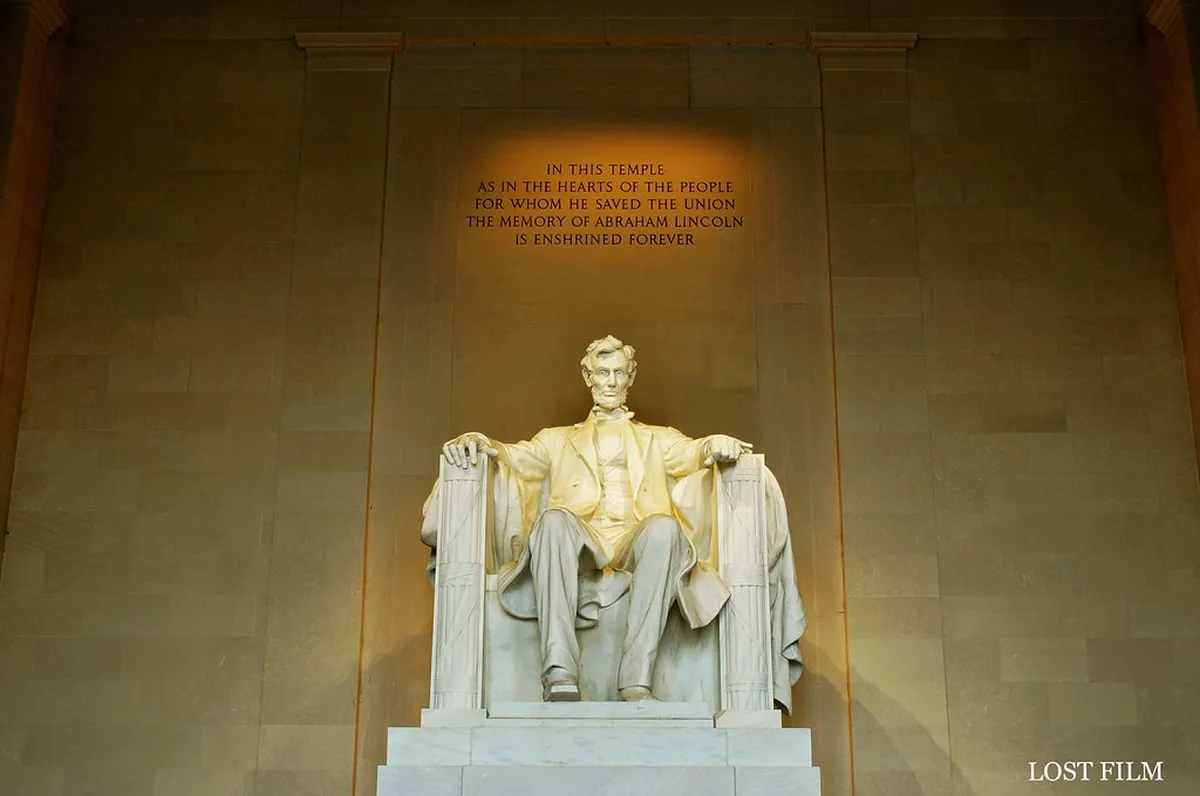
Two history periods shape the calendar more than any weather average. The first block covers the Gettysburg battle anniversary dates of July 1-3, the Battle of Gettysburg anniversary window. It brings more energy, more interpretation, and more demand. You gain context, but you give up easy parking and cooler walking conditions. The second is November 19, Dedication Day, tied to Lincoln's Gettysburg Address. Remembrance Day events nearby add another reason history-focused travelers choose November. In 2026, the official tourism calendar lists fall events that include a Gettysburg Remembrance Day Parade on November 14 and Dedication Day programming on November 18-19. Always verify the current schedule before booking around a single ceremony.
- July 1-3: best for battle-anniversary context and peak living-history interest.
- November 14, 2026: useful for Remembrance Day parade planning.
- November 18-19, 2026: useful for Dedication Day and Gettysburg Address context.
- October 20, 2026: useful if the Halloween parade matters to your trip.
- Memorial Day through Labor Day: useful for checking summer evening programming.
Planning Your Visit: Cost and Logistics Tradeoffs
The cheapest time to visit Gettysburg is usually winter or early spring, but the savings come with shorter daylight and fewer outdoor programs. Summer and October weekends can cost more because travelers compete for the same rooms and guided times. Use lodging calendars first, then add paid tours only after your dates are firm. A practical 2026 price anchor is this: a current open-air battlefield bus listing shows adult top-deck seats at $44 during its April-through-mid-October season, while a winter self-guided battlefield drive can keep the outdoor touring cost at $0. Museum and guided experiences can still add cost in any month, so compare your must-do list before choosing a season. Travelers who want more than the battlefield should also set aside time for the Eisenhower National Historic Site next door; it generally runs on a seasonal access pattern tied to shuttle service from the park visitor center, so confirm current hours on the National Park Service's Gettysburg site (nps.gov/gett) before building it into a winter or holiday-week plan.
A paid open-air bus seat at $44 only makes sense when weather and schedule line up. Winter driving can be cheaper, while July 1-3 and October weekends need earlier lodging choices before tour costs matter.
- For July 1-3, reserve lodging as soon as your dates are fixed.
- For October weekends, book before you assume foliage rooms will stay open.
- For March weekdays, compare rates before paying for a nonrefundable room.
- For paid battlefield interpretation, decide between bus, car guide, or self-guided time.
- Use where to stay planning before choosing a busy event weekend.
How to Get Around Gettysburg by Season
A car gives you the most control in every season because battlefield weather changes fast. In spring, rain can make a driving route easier than a long walk. In summer, air conditioning and shade breaks matter more than distance on a map. Fall rewards slower outdoor stops, but October weekends can make downtown parking feel tighter. Winter favors simple loops, museum time, and daylight planning. Open-air tours can be a good seasonal choice from spring into fall, but enclosed options or your own vehicle are better when heat, storms, or cold become the main issue.
- Use your own car for maximum flexibility in winter and stormy spring weather.
- Choose open-air touring only when heat and rain look manageable.
- Keep downtown meals close to your last tour stop on crowded weekends.
- Avoid overloading one day with battlefield walks, museums, and evening tours.
- Follow a structured 2-day itinerary if this is your first visit.
Common Mistakes to Avoid When Timing Your Visit
The biggest mistake is treating Gettysburg as one simple summer destination. July has the anniversary appeal, but it also has the most demanding heat. October has foliage and ghost tours, but weekend lodging can tighten fast. Winter has fewer crowds, but some seasonal programming may not run. Another mistake is planning by the battlefield only. Town events, museum hours, guided tour availability, and meal timing can matter just as much. Build your season around the experience you actually want, then check current details before paying for anything nonrefundable.
November 18-19, 2026 sits close to the quieter budget season, but it is not a casual off-peak weekend. Dedication Day demand can change lodging, parking, and meal timing even after fall foliage crowds fade.
- Do not choose July unless you are ready for heat and crowds.
- Do not assume October weekends will be cheaper than summer.
- Do not build a winter trip around outdoor programming without checking status.
- Do not leave anniversary lodging until the final few weeks.
- Use things to do planning to match each season with realistic activities.
Best Season by Traveler Type
First-time visitors should choose May or September because the weather, access, and crowd levels line up well. History-focused travelers should choose July 1-3 or November 19, depending on whether battle chronology or Lincoln's address matters more. Budget travelers should compare December through March, then keep plans flexible around weather. Families often do better in June than July because school calendars open up before the deepest heat. Couples and weekend travelers often prefer September or October, but October needs earlier lodging decisions. Statewide trip planners can also compare nearby Pennsylvania routes through Visit Pennsylvania before adding extra nights.
- Best overall: midweek May or September.
- Best for battle context: July 1-3.
- Best for Lincoln and remembrance events: mid-November.
- Best for foliage and ghost tours: October.
- Best for lower crowds: January through March, weather permitting.
How Far Ahead to Book Busy Gettysburg Dates
Book earlier when your dates overlap with Gettysburg’s event calendar, not just school vacations. The tightest windows are the July 1-3 battle anniversary, October foliage weekends, Halloween-season ghost tours, and mid-November Remembrance Day or Dedication Day events.

For the July anniversary, reserve lodging and a Licensed Battlefield Guide several months ahead if you want specific times. Downtown Gettysburg hotels, inns near Baltimore Street, and guided tour slots can narrow quickly. For October weekends, book lodging once your travel dates are firm, then reserve evening ghost tours before choosing dinner times.
- May and September midweek trips usually allow more flexibility.
- March weekdays are better for last-minute lodging searches.
- Event weekends need parking, meal, and tour plans set before arrival.
If you plan to use the Gettysburg National Military Park Museum & Visitor Center as your indoor anchor, check current hours before finalizing a winter or holiday itinerary.
Frequently Asked Questions
What is the best month to visit the Gettysburg battlefield?
May and September are the best months for most visitors. You get comfortable walking weather, easier planning than peak summer, and stronger access than winter.
Is Gettysburg worth visiting in the winter?
Yes, Gettysburg is worth visiting in winter if you want quiet roads, museum time, and a slower battlefield drive. Expect colder weather near 3°C (38°F) in January and verify current hours before you go.
When is the Gettysburg Battle anniversary?
The Battle of Gettysburg anniversary is July 1-3. Those dates match the 1863 battle and can bring more events, heavier demand, and hotter weather near 30°C (86°F).
When is Gettysburg Remembrance Day?
Remembrance Day events usually fall in November near Dedication Day. For 2026 planning, check the current local calendar because specific parade and ceremony dates can change.
What is the cheapest time to visit Gettysburg?
December through March is usually the cheapest planning window, especially midweek. You trade lower crowd pressure for colder weather, shorter daylight, and fewer seasonal outdoor programs.
How many days do you need in Gettysburg?
Plan two days for a balanced first visit. One day can cover a focused battlefield route, but two days gives you time for museums, town walks, and weather delays.