
7 Best East Coast Road Trips From Maine to Florida
Compare 7 best East Coast road trips, from coastal Maine and Vermont Route 100 to Shenandoah, Charleston, Savannah, Florida, and Key West.
On this page
7 Best East Coast Road Trips From Maine to Florida
Last updated August 2026. The best East Coast road trips range from Maine seafood towns and Vermont foliage roads to Shenandoah overlooks, Lowcountry cities, Florida food stops, and the Overseas Highway. Use this guide to choose the route that fits your season, driving tolerance, and appetite for beaches, mountains, museums, or slower inland roads.
Free guide: 12 Small-Town Weekend Escapes
A practical starter list of character-filled U.S. towns, the best season to visit, and the trip shape that suits each one.
Planning Your East Coast Drive
East Coast driving rewards route choice more than raw mileage. I-95 can be direct, but it also passes Boston, New York City, Philadelphia, Baltimore, and Washington, D.C. I-81 gives you a more inland rhythm through the Shenandoah Valley and the wider Mid-Atlantic, with mountain views, farmland, and smaller towns. Keep both corridors in play before you lock hotels. Summer suits Maine and coastal New England; fall suits Vermont Route 100, the Hudson Valley, and Shenandoah; winter favors Florida's warm-weather routes; spring works well for the Carolinas and Virginia. If Acadia and Shenandoah National Parks both appear on your plan, budget $80 for an annual National Parks Pass, and carry E-ZPass or an accepted toll account for Northeast corridor drives. For bigger national context, see the Federal Highway Administration's scenic byways program and the National Park Service's road travel guidance.
7 Best East Coast Road Trips From Maine to Florida
Pick one of these routes by trip style, then refine the stops below. Compare it with the wider America road trips list, or switch to West Coast drives for Pacific planning.
| Route | Best fit | Planning note |
|---|---|---|
| Portsmouth to Bar Harbor on Coastal Route 1 | Summer seafood stops, lighthouses, harbors, and Acadia National Park | Best as a slow, stop-and-go shoreline drive |
| Vermont Route 100 | Autumn color, Stowe, Green Mountain National Forest, cider stops, and cheese producers | Allow spare time for weather and detours |
| Boston to Washington, D.C. | Museums, history, art, and dense city time | Expect traffic, tolls, and tighter hotel logistics |
| Shenandoah and Virginia Wine Country | Mountains, overlooks, Shenandoah National Park, and a break from I-95 | A 48-hour stopover beats a quick overnight |
| Charleston to Savannah on Coastal Highway 17 | Lowcountry food, historic streets, and a compact city-pair route | Book dinner reservations early on weekends |
| Fort Lauderdale to Orlando | Restaurants, Florida detours, and Old Florida stops | Brightline can replace part of this drive |
| Miami to Key West on the Overseas Highway | Winter sun, water views, snorkeling plans, and US-1 | Crosses 42 bridges through the Florida Keys |
1. The New England Coast: Portsmouth to Bar Harbor
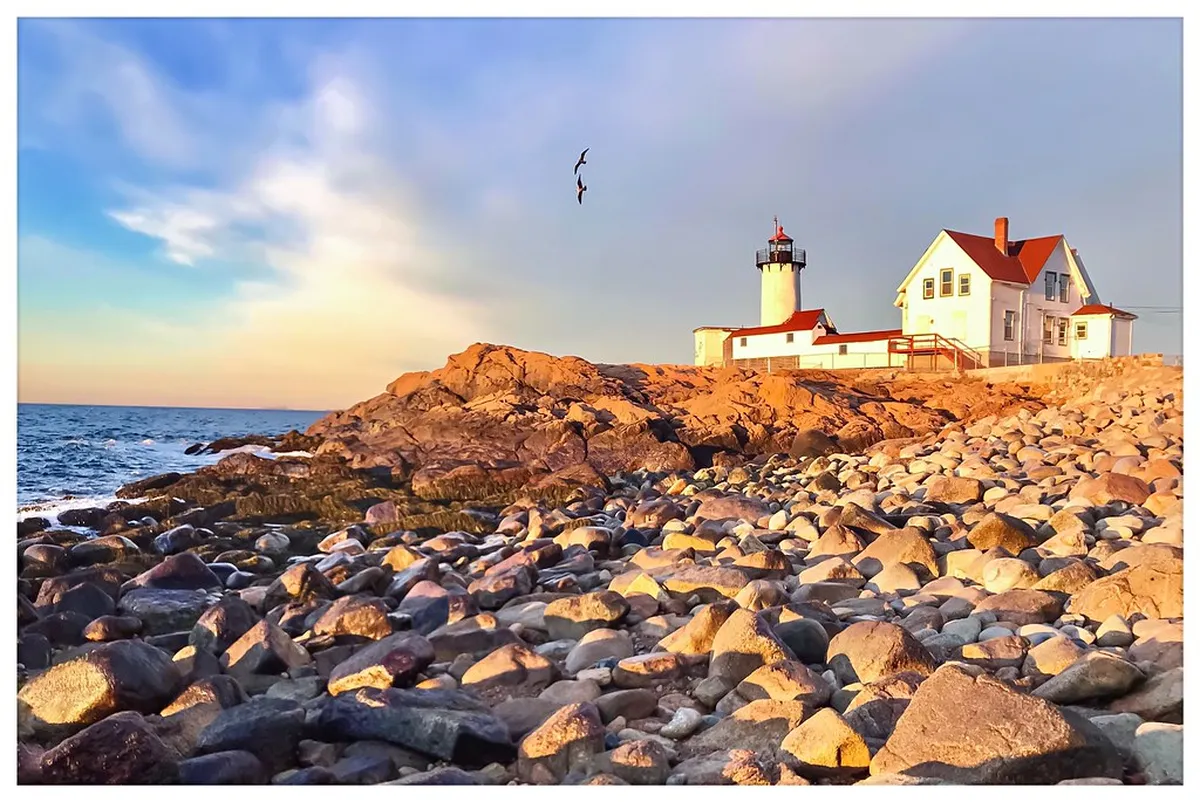
Coastal Route 1 runs from Portsmouth, New Hampshire, through Portland, Maine, to Bar Harbor, the gateway to Acadia National Park. It suits summer escapes built around seafood shacks, harbors, and rugged coastal scenery more than fast mileage.
Portland's Old Port district, with its brick storefronts and waterfront lighthouse, is worth the stop before you continue north, as is a detour to the Maine coast around Camden. Keep the pace slow between towns; Route 1 works best as a stop-and-go shoreline drive, not a point-to-point run. Add the $80 annual National Parks Pass if Acadia is part of a broader park year.
2. The Fall Foliage Classic: Vermont Route 100
Vermont Route 100 runs the spine of the Green Mountains past Stowe and the Green Mountain National Forest, through small towns built around skiing in winter and cider and cheese production the rest of the year. It rewards travelers who put autumn color ahead of speed.
Treat this as a slow-travel route, not a one-day checklist. Foliage towns work better with spare time for weather delays and a stop at a roadside cider mill or creamery. Fall is by far the strongest season here, and it pairs naturally with New York's Hudson Valley if you want to extend the loop.
3. The Urban Corridor: Boston to Washington, D.C.
This route strings together Boston, New York City, Philadelphia, and Washington, D.C. along the I-95 corridor for travelers who want museums, art, and dense city time more than open road. It's the most Amtrak-adjacent of the seven, so it's easy to park the car and cover a city segment by rail instead.
The trade-off is traffic, tolls, and parking costs that don't show up on quieter routes, plus tighter hotel logistics in the East Coast's most-booked overnight markets. Choose this corridor for history, art, and high-density culture; choose an inland alternative if heavy traffic wears you down.
4. The Inland Escape: Shenandoah and Virginia Wine Country
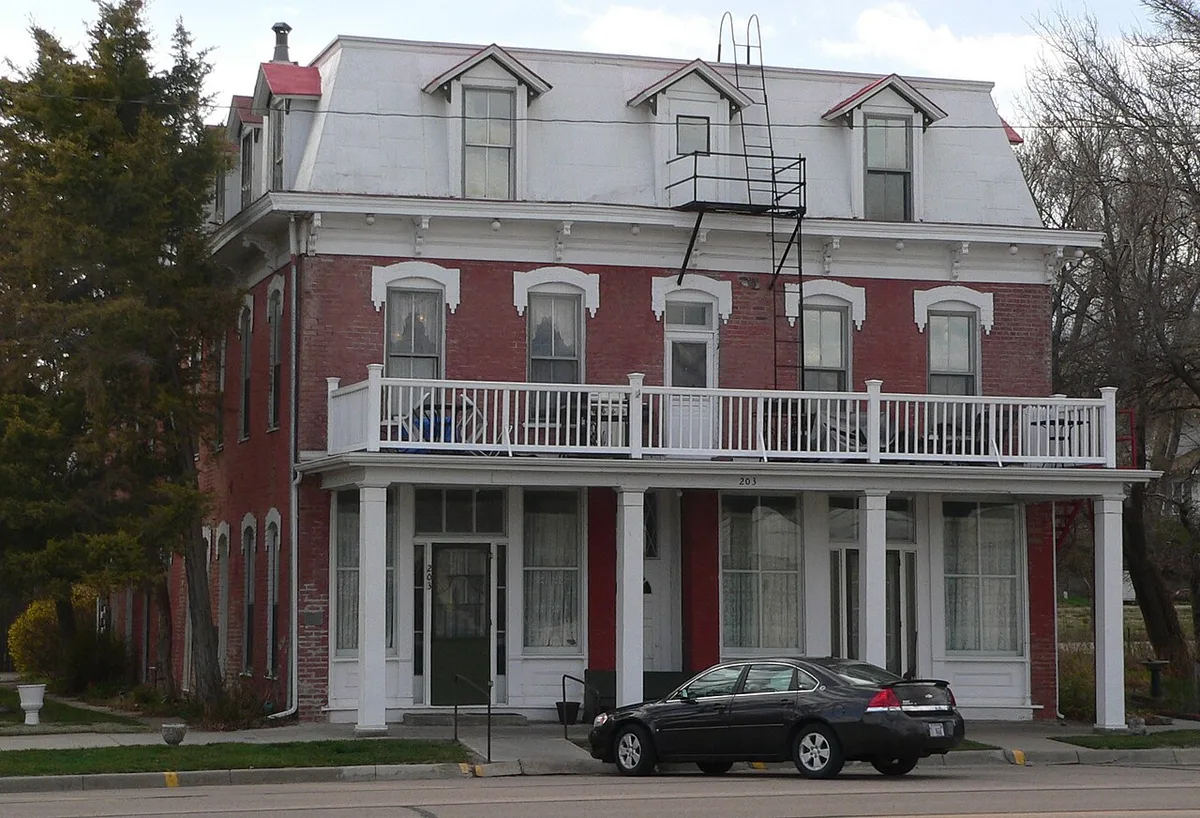
Skyline Drive through Shenandoah National Park connects to I-81 and the Blue Ridge Parkway for a mountain-and-valley alternative to I-95, trading city time for overlooks, farmland, and small towns such as White Post, Virginia, in the heart of the state's wine country.
A 48-hour stopover here beats a quick overnight — time for a proper dinner, a full night's sleep, and a short outing (a winery tasting, historic Winchester, a farm stand) before returning to the road. White Post's L'Auberge Provençale is one lodging option built around this kind of pause; pet policies vary by inn, so confirm directly if traveling with a dog. This inland pause also skips the Washington, Baltimore, and Philadelphia traffic that weighs down a straight I-95 run.
5. Southern Charm: Charleston to Savannah
Coastal Highway 17 connects Charleston, South Carolina, and Savannah, Georgia, through Lowcountry marsh, Spanish moss, and two of the South's best-preserved historic districts — a compact city-pair route built for food and walking rather than long driving days.
This pairing suits romantic weekends and walkable sightseeing more than a driving marathon; many hotels in both cities accept dogs, though it's worth confirming pet policy directly. Book dinner reservations early, especially when a weekend trip overlaps with peak travel dates.
6. The Florida Flavor Trail: Fort Lauderdale to Orlando
This route swaps interstate-only driving for A1A and interior detours through Belle Glade and Indiantown, connecting Fort Lauderdale to Orlando with restaurants and Old Florida stops instead of theme parks alone. The historic Seminole Inn in Indiantown is one such stop for travelers chasing an older version of the state.
Fort Lauderdale and Orlando's dining scenes have expanded quickly, including some Michelin Guide recognition — check current listings before building a trip around one restaurant, since guide coverage changes year to year. Brightline is a no-drive alternative for part of the trip between Miami, Fort Lauderdale, West Palm Beach, and Orlando if you'd rather swap driving for rail.
7. Tropical Temptations: Miami to Key West
The Overseas Highway (US-1) crosses 42 bridges on its way from Miami to Key West, threading between the Florida Keys with open water on both sides for much of the drive. Save this route for winter sun, snorkeling plans, and the engineering itself, which is as much the destination as Key West.
Build in real time for Key West rather than treating the drive as a there-and-back day trip. Sunset at Mallory Square is the classic finish to a day in town, and the slower pace suits winter sun more than any other route on this list.
How to Choose Between I-95 and I-81
I-95 is the practical choice for a city chain — it links Boston to Washington, D.C. with fewer route decisions, at the cost of traffic, tolls, parking friction, and high-stress metro stretches. I-81 fits better for Shenandoah Valley scenery, calmer stopovers, and dodging the Washington, Baltimore, Philadelphia, and New York pressure points on long-distance drives. Neither route is always faster: pick I-95 for museums, airports, and coastal cities, and I-81 for mountains, farmland, wineries, and a slower pace. For more inland planning beyond this region, compare these choices with Midwest road trips.
I-95 and I-81 solve the Northeast choice, but not the whole East Coast decision. For winter sun and water views, the Overseas Highway's 42 bridges may fit better than either corridor.
Best Seasons for Each Route
Season should decide the first draft of your itinerary, not the last. Maine and coastal New England peak in summer; Vermont Route 100 and Shenandoah peak in fall foliage; Charleston and Savannah suit spring or fall over peak heat; Florida routes work best in winter, when Fort Lauderdale, Orlando, Miami, and Key West offer warm-weather alternatives to northern conditions. If leaf color is the main reason for traveling, compare these East Coast picks with fall road trips.
Common Mistakes to Avoid
Do not overestimate daily mileage in the Northeast — a short map distance can feel long once I-95 traffic and city exits stack up. Avoid booking every night as a late arrival; that turns scenic routes into logistics work. Make dinner reservations in Charleston, Savannah, Fort Lauderdale, and Orlando before you leave, and check park road status before Acadia, Shenandoah, or Blue Ridge Parkway segments. For warmer coastal alternatives, Southern road trips compares Carolinas, Georgia, and Florida ideas.
Park planning has two checks: access and value. If Acadia and Shenandoah are both on the year's plan, the $80 annual pass may make sense — but road status still needs a fresh look before mountain or coastal park segments.
Optional Historic Add-On: Gettysburg, Pennsylvania
Gettysburg, Pennsylvania offers an inland historic detour for travelers weighing I-95 against I-81 on the Boston-to-Washington, D.C. leg of this trip — its Civil War battlefield sits close enough to both corridors to extend this hub's history theme without a separate trip. Planning a Gettysburg weekend getaway means choosing among several battlefield tour options, then working around historic inns and dining that's easiest to time before or after those tours.
A 48-hour stay covers the battlefield, downtown, and museums without rushing, and leaves room to add day trips from Gettysburg if the route allows a longer stopover. Check current 2026 package pricing before booking, since battlefield tour and lodging bundles change seasonally.
- Best paired with the Boston–Washington, D.C. corridor or an I-81 detour.
- Plan at least 48 hours for the battlefield, museums, and downtown.
- Confirm 2026 package pricing and dining reservations before you arrive.
Optional Inland Add-On: Blue Ridge Parkway to Great Smoky Mountains
For a longer mountain add-on, extend the Shenandoah route south on the Blue Ridge Parkway toward Great Smoky Mountains National Park — a stretch most East Coast itineraries treat as a separate trip rather than a natural extension of this one.
The parkway links Virginia and North Carolina through overlooks and slower two-lane driving, with stops at Roanoke, Asheville, and Cherokee near the Oconaluftee Visitor Center. Great Smoky Mountains National Park adds forest hikes, elk viewing near Cataloochee, and access to Newfound Gap Road, connecting naturally to Gatlinburg and Townsend.
- Late spring suits wildflowers; fall suits foliage.
- Best for travelers already on I-81 or Skyline Drive.
- Mountain weather and road closures can change plans, so check conditions first.
Frequently Asked Questions
What are the best East Coast road trips for a first-time visitor?
Portsmouth to Bar Harbor, Vermont Route 100, Boston to Washington, D.C., Shenandoah and Virginia Wine Country, Charleston to Savannah, Fort Lauderdale to Orlando, and Miami to Key West cover the strongest range. Together, they give you coast, foliage, cities, mountains, food, and Florida sun.
Is I-81 a good alternative to I-95?
Yes, I-81 can be a good alternative when you want a more inland East Coast drive. It helps you avoid some I-95 pressure points near Washington, Baltimore, Philadelphia, and New York on certain routes. It is best for Shenandoah Valley scenery, smaller towns, and a slower pace.
Do you need a National Parks Pass for these routes?
You do not need one for every route. Consider the $80 annual pass if you plan to visit Acadia, Shenandoah, and other national parks within the same year. Check each park’s current entrance details before you drive.
What is the best season for an inland East Coast road trip?
Fall is the strongest season for inland routes such as Vermont Route 100 and Shenandoah. Spring also works well for Virginia and the Carolinas. Winter is usually better for Florida than for mountain roads.
How many days do you need for a full East Coast road trip?
Plan more days than the map suggests because the East Coast is dense. A city-heavy I-95 route needs time for parking, museums, meals, and traffic. A slower coastal or inland route needs time for detours, park roads, and short overnight stops.
Free guide: 12 Small-Town Weekend Escapes
A practical starter list of character-filled U.S. towns, the best season to visit, and the trip shape that suits each one.
You might also like


Continue reading
More guides you'll find useful