Practical Tips for Visiting Sedona: Parking, Shuttles, and Timing
Last updated August 2026, this guide covers practical tips for visiting Sedona so trip logistics don't cut into hiking time. Parking fills before sunrise at the busiest trailheads, and a free shuttle covers several of them on peak days. This guide moves through getting around, timing a visit, choosing activities, and the mistakes worth avoiding.
Practical Tips for Visiting Sedona: Parking, Shuttles, and Passes
Sedona sits about 115 miles north of Phoenix, roughly a two-hour drive on Interstate 17. Flagstaff is another 45 minutes north of Sedona on the same route. Weekend traffic backs up near the Sedona exits, so add extra time on Saturday mornings. Visit Arizona tracks seasonal road conditions on I-17 worth checking before a winter drive.
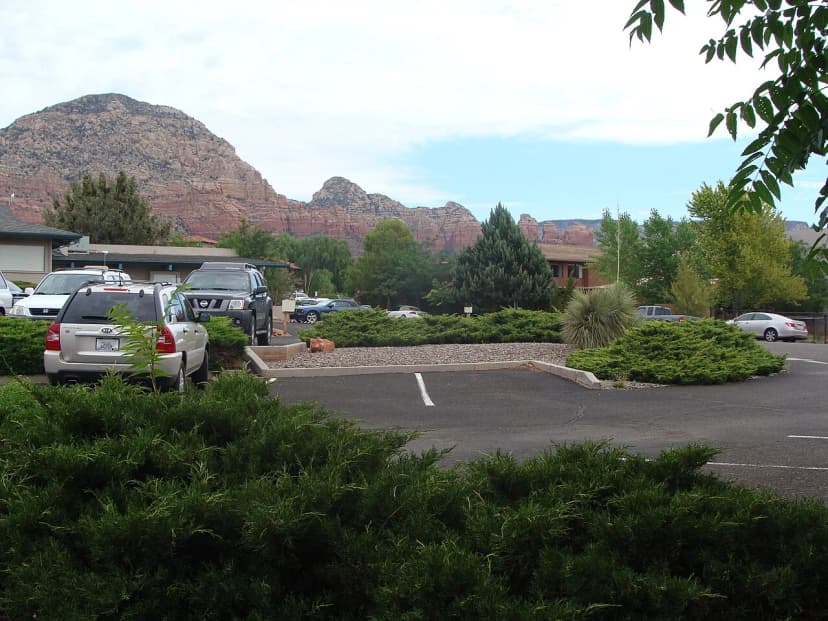
Parking at marquee trailheads is the biggest logistical hurdle. Lots at Cathedral Rock and Devil's Bridge often fill by 5:30 to 6:00 AM, well before most visitors are awake. Some trailhead kiosks run on electronic payment only, and machines occasionally malfunction, so carry small bills as backup.
On shuttle-service days, some trailhead lots close to private vehicles entirely. A free shuttle becomes the only way in for those stops. Visit Sedona lists which trailheads run shuttle-only on a given day, so check before driving out. The shuttle operator's real-time tracker shows live vehicle locations and is worth bookmarking before arrival.
A Red Rock Pass covers day-use parking fees on Coconino National Forest trailheads around Sedona. Travelers who already hold an America the Beautiful annual pass do not need a separate Red Rock Pass, since it satisfies the same day-use fee.
Where you stay changes how early a trailhead start is realistic. Boutique options near Uptown include properties such as Amara Resort & Spa and L'Auberge de Sedona, both within a short walk of shuttle pickup points. Enchantment Resort sits inside Boynton Canyon for travelers prioritizing seclusion over walkability. Lodging options by neighborhood breaks down the trade-offs, and How to Get to Sedona: Airports, Driving Routes & Shuttles (2026) covers drive routes and airport options in more depth.
- Cathedral Rock — closed to private-vehicle parking on shuttle-service days
- Soldier Pass — served by the same free park-and-ride shuttle
- Uptown Sedona and the Village of Oak Creek — shuttle pickup hubs for connecting routes
Timing a Visit: Weekdays, Seasons, and Sun Position
Tuesday through Thursday sees noticeably lighter trailhead traffic than weekends or Monday holidays. Booking hikes and jeep tours mid-week avoids most of the parking scramble described above.
Cathedral Rock and Devil's Bridge lots often fill by 5:30 to 6:00 AM even on quiet days. Shifting a hike to Tuesday through Thursday cuts crowds, but it doesn't push that fill time back, so the early alarm still matters.
Spring and fall bring the most comfortable hiking temperatures. Summer afternoons turn harsh on exposed red rock, and the rock surface radiates extra heat back at hikers, so plan strenuous trails for early morning. Winter occasionally dusts higher trails with snow, and elevation runs roughly 3,200 feet above Phoenix, so pack layers even in warm months. Sedona's ideal travel months breaks each season down in more detail.
Sunrise favors east-facing overlooks near Airport Mesa. Cathedral Rock draws crowds for sunset instead, so a single trail rarely works well for both. Building a day around one sunrise stop and one sunset stop beats rushing between several viewpoints. A two-day Sedona itinerary lays out a workable pace for a first visit.
Choosing Activities: Jeep Tours, State Parks, and Landmarks
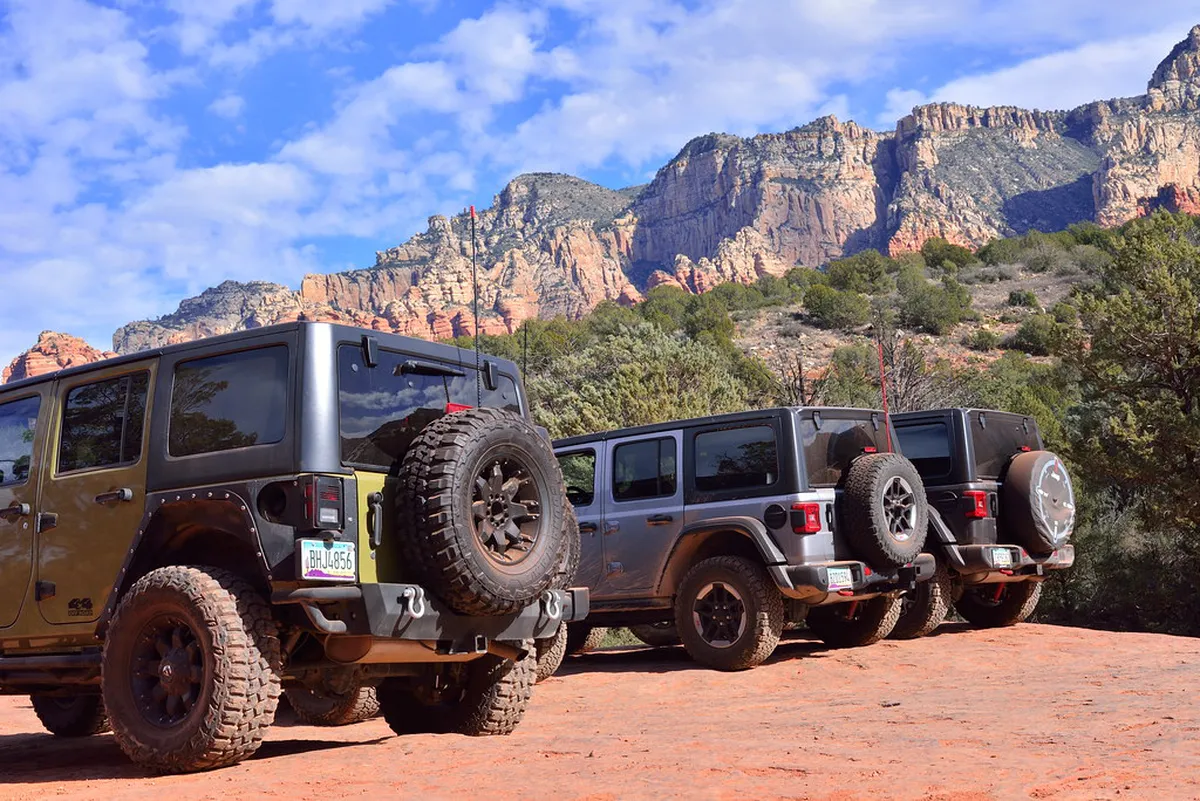
Broken Arrow is the benchmark off-road route among Sedona jeep-tour operators, including Pink Jeep Tours, running roughly two to three hours over slickrock terrain. It suits travelers comfortable with steep grades and tight turns. Anyone prone to motion sickness should ask about trail intensity before booking. Bell Rock offers a shorter, flatter alternative with less parking competition than Cathedral Rock.
Red Rock State Park centers on interpretive trails and ranger-led programs, a calmer choice for an educational stop. Slide Rock State Park centers on natural-rock waterslides and swimming, and it draws heavier crowds on hot afternoons. Pick between the two based on whether the day calls for quiet or splash time.
Chapel of the Holy Cross has a lower parking lot with a steep uphill walk to the chapel entrance. Visitors with mobility limits should budget extra time for that climb. Tlaquepaque Arts and Crafts Village suits an afternoon of gallery browsing and photography in a Spanish-colonial-style courtyard setting. Uptown Sedona adds shopping beyond Tlaquepaque, with boutiques such as Crystal Vortex for crystals and Sedona Permanent Jewelry for on-the-spot bracelets; nearby shops also sell items such as cactus totes for under $30.
A Verde River float-and-wine outing pairs a self-guided kayak trip with a vineyard stop. It runs about two and a half hours and typically includes a food-or-wine credit at the winery. Mii Amo Spa, set among the red rocks, is a common half-day add-on for travelers pairing hiking with recovery time. Full trail difficulty notes and activity listings live at the complete activity roundup, and nearby day-trip options covers stops in the Verde Valley beyond Sedona itself.
Vortex Etiquette and Dark Sky Stargazing
Sedona's vortex sites, including Airport Mesa, Bell Rock, and Boynton Canyon, draw visitors seeking a quiet moment as much as a view. Keep voices low near meditation groups already on site. Stay on marked trails to protect fragile soil crusts nearby. Give other visitors space at small overlooks, since some spots hold only a handful of people comfortably.
Some travelers report a physical sensation at these locations. For many others, the draw is simply the panoramic view, no particular sensation required either way.
Sedona carries a Dark Sky City designation, so stargazing works best away from Uptown's streetlights. Local guides point to open viewpoints such as the Two Trees Observation Area; confirm current access before heading out after dark. Bring a red-light headlamp to protect night vision, a star chart or astronomy app, and a blanket, since desert temperatures drop fast after sunset. A tripod helps for long-exposure night photography of the rock formations. A two-night getaway plan leaves one evening open for stargazing without rushing the daytime hikes.
Packing and Safety Basics for High-Desert Hiking
High-desert conditions catch first-time visitors off guard. Trails that look short on a map still demand real water and sun protection because of the elevation and exposure. A 1.5-mile out-and-back can still mean real sun exposure with almost no shade. Pack the items below before leaving lodging, since a return trip for forgotten gear costs real hiking time.
Trailheads such as Cathedral Rock and Devil's Bridge often fill by 5:30 to 6:00 AM, and Sedona sits roughly 3,200 feet above Phoenix. The early sun and thinner air make timing part of the same packing decision as hydration.
- Sunscreen and a wide-brim hat — red rock reflects heat back at hikers
- At least one liter of water per hour on exposed trails
- Closed-toe shoes with grip for slickrock and loose sand
- Layers for the temperature swing between trailhead sunrise and midday heat
- Small bills for trailhead parking kiosks that don't always accept cards
- A basic first-aid kit, since cactus spines are common on off-trail terrain
Eating and Staying Comfortable: Food, Dietary Needs, and Pets
Prickly pear shows up across Sedona menus, from margaritas to syrups drizzled on breakfast dishes. It's worth ordering at least once during a visit. Vegan and gluten-free options are common on local menus, reflecting the wellness-focused visitor base the town draws. Local names worth knowing include Mariposa for Latin-inspired dinners with red-rock views and Coffee Pot Restaurant for an all-day breakfast menu built around more than 100 omelet varieties.

Dog-friendly restaurants exist but are fewer than dog-friendly trails, so call ahead before bringing a pet to dinner. Reserve a sit-down table in advance during peak season, since walk-in waits stretch long on weekend evenings. Local restaurant picks breaks down specific kitchens by cuisine and view.
Sedona's event calendar includes an International Film Festival, a Fourth of July water event, and a fall arts-and-crafts show, among others. If a festival lands on the travel dates, check the local events calendar in advance, since road closures around Uptown during festival weekends can change parking plans for that day.
Common Mistakes to Avoid
Most Sedona planning problems trace back to the same handful of oversights, and each one is avoidable with a small schedule change.
- Arriving at Devil's Bridge or Cathedral Rock at 10:00 AM expecting an open lot
- Underestimating hydration needs on a short hike, even one under two miles
- Forgetting Sedona sits roughly 3,200 feet higher than Phoenix, which drops the temperature and thins the air
- Skipping sun protection because red rock trails look shaded in photos
- Booking only weekend dates when a Tuesday-to-Thursday visit means far shorter trailhead lines
- Ignoring festival-weekend road closures around Uptown when planning parking
- Skipping the Red Rock Pass or America the Beautiful pass and risking a parking citation
Frequently Asked Questions
Do you need a car in Sedona?
A car is the most reliable way to reach outlying trailheads and day-trip stops. The free shuttle covers several popular trailheads on service days, so a car isn't strictly required for a shuttle-served itinerary. Without a car, keep activities within walking or shuttle range of Uptown or the Village of Oak Creek.
Is the Red Rock Pass the same as a national park pass?
Not exactly. The Red Rock Pass covers day-use parking fees on Coconino National Forest land around Sedona. An America the Beautiful annual pass satisfies the same requirement, so travelers who already own one skip the separate purchase.
What time do Sedona trailheads fill up?
Marquee trailheads such as Cathedral Rock and Devil's Bridge often fill by 5:30 to 6:00 AM on busy days. Arriving after sunrise usually means relying on the shuttle instead of trailhead parking.
Is Sedona worth a day trip from Phoenix?
Sedona works well as a day trip from Phoenix, since the drive runs about two hours each way. A single day limits the schedule to one or two hikes plus a stop in Uptown. An overnight stay allows more pacing flexibility. A two-night getaway plan lays out that longer version.
What's the best way to avoid crowds in Sedona?
Visit Tuesday through Thursday instead of the weekend, and start hikes before 6:00 AM at popular trailheads. Off-peak scheduling, paired with the free shuttle on high-traffic days, removes most of the parking-related stress from a visit.
What should you pack for a first Sedona hike?
Pack sun protection, at least a liter of water per hour, closed-toe shoes, and small bills for trailhead kiosks. Add layers for the temperature swing between a cool sunrise start and a hot midday return.
Can you bring a dog on Sedona trails?
Many trails allow dogs on leash, and trailheads typically expect owners to pick up and pack out waste. Restaurants are less consistently dog-friendly, so call ahead before dinner with a pet.