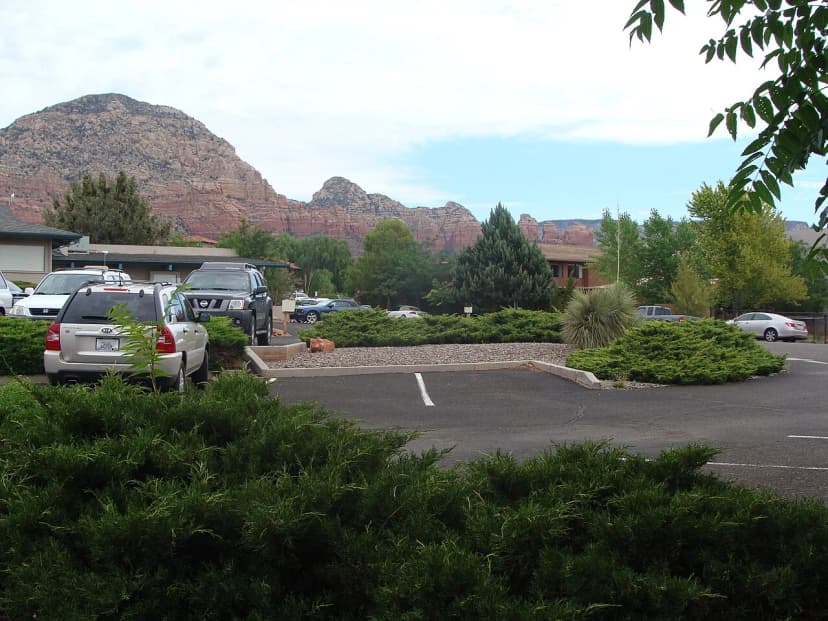

Best Time to Visit Sedona for Weather, Crowds, Hiking, and Value
Last updated August 2026. The best time to visit Sedona is March to May or October to November if you want mild hiking weather and long daylight. Choose January to early February for quieter trails, or July and August for lower lodging pressure if you plan around heat, storms, and shuttle logistics.
The best time to visit Sedona: quick verdict
Spring and fall are the easiest seasons for a first Sedona trip. Spring brings average daily highs around 24°C (76°F) and lows near 7°C (45°F), based on Visit Sedona planning guidance. Fall is close behind, with average highs near 23°C (74°F) and lows around 9°C (48°F). Those temperatures suit Cathedral Rock, Bell Rock, Red Rock State Park, and longer routes such as Bear Mountain. You pay for that comfort with peak lodging demand and crowded trailheads. For a tighter weekend plan, use a Sedona weekend framework before locking hotels. January to early February is the best low-crowd window. Summer is the value play, but only if you shift hard. Hike early, go indoors from 10am to 4pm, and return outside after 4pm when heat or monsoon clouds break.
- Best overall: March to May and October to November.
- Best hiking weather: spring and fall, especially midweek.
- Lowest crowds: January to early February.
- Best value: early winter and peak summer, especially July and August.
- Best photography weather: July to September monsoon skies, with safety checks before any trail.
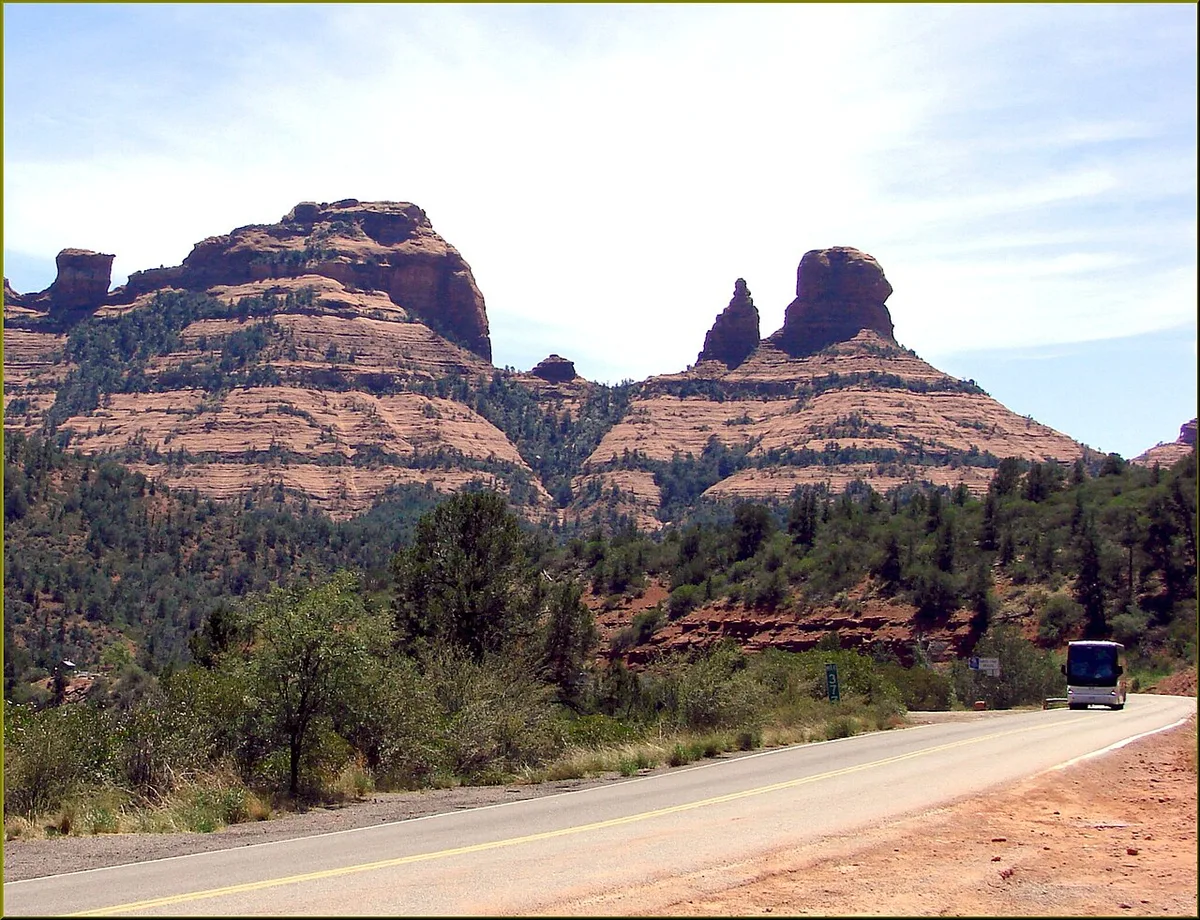
Season Comparison table for Sedona in 2026
Use this seasonal table as a planning filter, not a promise for any exact travel week. Sedona sits at roughly 4,350 ft in elevation, which keeps it noticeably cooler than low-desert Arizona towns and means weather can shift faster than many first-time visitors expect. Summer can still reach 35°C (95°F), while winter mornings can sit near 1°C (34°F). Costs also move with demand, and Sedona's peak season for both crowds and lodging pressure runs spring and fall. Exact 2026 nightly rates change too often to publish here, so lodging is shown as a relative index. The one fixed local travel cost supported here is the Red Rock Pass, which Visit Sedona lists at $5 daily, $15 weekly, and $20 annually for required day-use sites.
| Season | Typical high/low | Crowd level | Price pressure | Best use |
|---|---|---|---|---|
| Spring: March to May | About 24°C (76°F) / 7°C (45°F) | High, with full lots possible by 8am | $$$ plus $5 daily Red Rock Pass where required | First trips, longer hikes, wildflower timing |
| Summer: June to September | About 35°C (95°F) / 23°C (73°F) | Lower outside holiday weekends | $ to $$ plus $5 daily Red Rock Pass where required | Budget stays, sunrise hikes, galleries, creek time |
| Fall: October to November | About 23°C (74°F) / 9°C (48°F) | High, especially weekends | $$$ plus $5 daily Red Rock Pass where required | Oak Creek Canyon color and all-day hiking |
| Winter: December to February | About 16°C (60°F) / 1°C (34°F) | Lowest after New Year | $ to $$ plus $5 daily Red Rock Pass where required | Quiet trails, cooler viewpoints, rare snow photos |
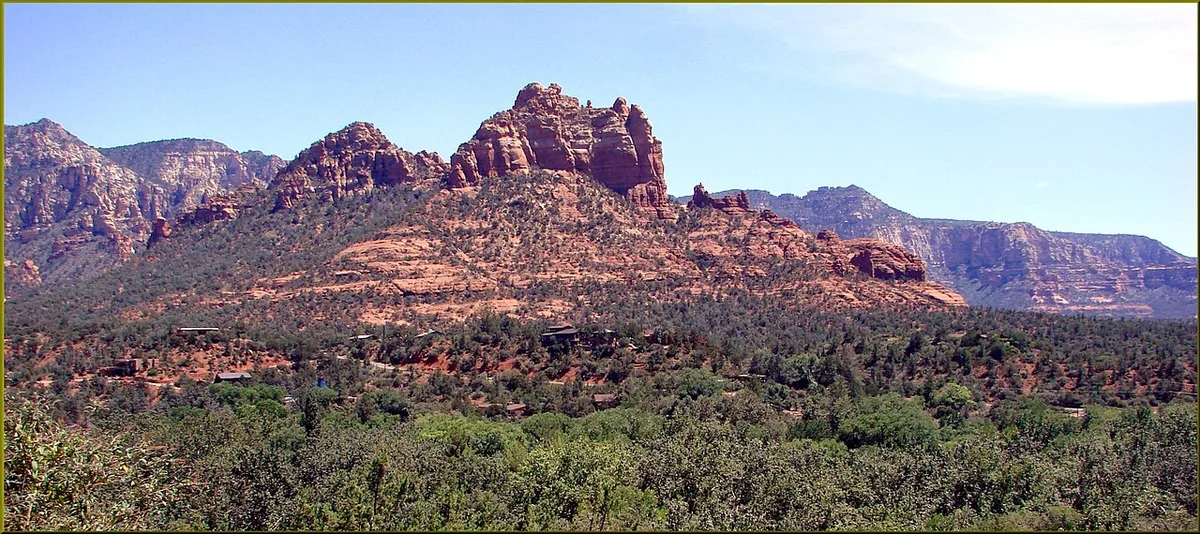
Spring in Sedona: March to May
Spring is the most forgiving season for active days. Daytime highs usually sit in the 15°C to 27°C (mid-60s to low-80s°F) range across the season. That gives you room for Cathedral Rock, Bell Rock, Airport Mesa, and Red Rock State Park without summer pacing. Wildflowers and fresh desert growth can make shorter trails feel more varied. Crowds are the tradeoff. March spring break, Memorial Day weekend, and sunny Saturdays can turn popular lots into an 8am problem. Book peak spring lodging 4 to 6 months ahead if your dates are fixed. Build trail mornings first, then use galleries, lunch, or a scenic drive after your main hike. For route ideas, pair this seasonal choice with Sedona activities that do not all depend on one trailhead.
- Start high-demand hikes before 8am in March, April, and May.
- Use Tuesday or Wednesday for Devil's Bridge if your schedule allows.
- Avoid depending on one parking lot during spring break weeks.
- Pack a warm layer because mornings can still begin near 7°C (45°F).
Summer in Sedona: June to September
Summer is worth considering when price and crowd relief matter more than all-day hiking. Average summer guidance from Visit Sedona points to about 35°C (95°F) highs and 23°C (73°F) lows. Treat 10am to 4pm as indoor, shade, creek, pool, or wine-tasting time. That single rule changes the trip. Start trails near sunrise, carry at least 3L of water for harder hikes, and turn around before heat becomes the main event. July to September also brings monsoon risk. Official northern Arizona weather guidance frames monsoon season from June 15 to September 30, with northern Arizona moisture often arriving closer to early July. Afternoon thunderstorms can bring lightning, heavy rain, and flash-flood risk. Check current forecasts before canyons, washes, and exposed viewpoints. After 4pm, comeback hours can work well for photos if storms have cleared.
- 6am to 10am: hike Bell Rock, Airport Mesa, or another short route.
- 10am to 4pm: choose Tlaquepaque Arts & Shopping Village, lunch, spa time, or Verde Valley wine tasting.
- After 4pm: return outside only if storms and heat have eased.
- For midday escapes, compare nearby options in Sedona day trips before committing.
Fall in Sedona: October to November
Fall is spring with cooler evenings and fewer spring-break constraints. Average fall guidance sits around 23°C (74°F) for daytime highs and 9°C (48°F) for lows. That range works well for Cathedral Rock, Bear Mountain, Red Rock State Park, and longer viewpoint days. Oak Creek Canyon foliage usually builds from late October in higher canyon areas into early November near lower canyon areas, according to Visit Sedona. Weather still controls the exact color window. Weekends remain busy, especially when leaves peak or school calendars create long weekends. Stay midweek if you want the cleanest crowd tradeoff. If your schedule is only two nights, use a 2-day Sedona plan to avoid wasting the best weather in transit.
- Choose late October or early November for the best fall-color chance.
- Book weekends early because fall demand can feel like spring.
- Use Oak Creek Canyon as the weather-flexible scenic option.
- Carry a jacket for dinner and sunrise starts.
Winter in Sedona: December to February
Winter is the quietest practical season, especially after New Year and before mid-February demand returns. Average daily highs are near 16°C (60°F), with lows close to 1°C (34°F). Trails feel calmer, vortex tour schedules can be easier to arrange, and viewpoints have less parking pressure. Snow is rare, but a light dusting on red rocks can turn a short viewpoint stop into the main memory. Do not plan around snow as a guaranteed event. Plan around cold starts instead. Traction can help after icy nights on shaded rock, and layers matter more than desert visitors expect. December can bring holiday event demand, including the Sedona Festival of Lights, so check current event dates before booking.
- Best low-crowd window: January to early February.
- Best winter plan: one main trail, one scenic drive, and one flexible indoor stop.
- Watch shaded rock after freezing nights.
- Use 7 Best Areas Where to Stay in Sedona for 2026 planning if lower winter rates are the priority.
Sedona weather by month: how to think about the calendar
Sedona weather by month matters less than the season rhythm. March and April usually pull hikers back outside, but spring break can crowd roads and shuttle lots. May often feels ideal for trails, yet it also sits in peak-price territory. June brings heat before the fullest monsoon pattern. July and August require sunrise starts and a strict midday reset. September can still behave like summer, especially before storms taper. October and November are strong hiking months, with Oak Creek Canyon color as the bonus. December, January, and February bring the quietest trails and the coldest mornings. Visit Arizona places Sedona among the state destinations visitors use for red-rock travel planning, so pair statewide context from Visit Arizona with local weather checks before departure.
| Month group | Weather read | Crowd read | Best decision |
|---|---|---|---|
| January to early February | Winter cool, near 16°C (60°F) days and 1°C (34°F) nights | Lowest | Choose value stays and quiet trails |
| March to May | Spring mild, near 24°C (76°F) days and 7°C (45°F) nights | Highest | Book early and hike midweek |
| June to September | Summer hot, near 35°C (95°F) days and 23°C (73°F) nights | Mixed, lower outside holidays | Use the 10am to 4pm indoor rule |
| October to November | Fall mild, near 23°C (74°F) days and 9°C (48°F) nights | High | Target Oak Creek Canyon and longer hikes |
| December | Winter cool with holiday spikes | Moderate around events | Confirm event dates and pack layers |
Avoiding crowds in Sedona without losing the best weather
Avoiding crowds in Sedona is mostly about weekday discipline. Tuesday and Wednesday are the strongest choices for popular trailheads. Weekends compress visitors into a small set of named places, including Devil's Bridge, Cathedral Rock, Bell Rock, and Soldier Pass. The Sedona Shuttle changes the parking equation during busy periods. Trailhead routes serve Cathedral Rock, Little Horse, Soldier Pass, Dry Creek Vista, and Mescal, but schedules and route availability can change. When a shuttle route is operating, some trailhead lots can close to private vehicles. Check the shuttle schedule the week you travel. Do that before choosing a hotel or a sunrise trail. A rental car still helps for Oak Creek Canyon, State Route 89A, State Route 179, and day trips, but it does not solve every trailhead problem.
- Pick Tuesday or Wednesday for Devil's Bridge and Cathedral Rock.
- Arrive by 8am in spring and fall if you are driving to a permitted lot.
- Use shuttle lots when trailhead routes are active.
- Avoid March spring break, Memorial Day, and Labor Day for quieter hikes.
- Keep one backup trail and one indoor stop on every peak-season day.
Trailhead strategy by season
Sedona hiking weather is best when the trail plan fits the season. Spring and fall support longer efforts, but crowds punish late starts. Summer rewards short, early routes and punishes pride. Winter gives you quiet access, but cold rock and shaded ice can change footing. Red Rock Pass rules also matter. Visit Sedona says a pass is required for vehicle access at listed Red Rock Ranger District day-use sites, including Cathedral Rock, Bell Rock Pathway/Vista, Courthouse Butte, Dry Creek Trailhead, Little Horse, and Mescal Trailhead. A daily pass is $5, a weekly pass is $15, and an annual pass is $20. The Coconino Annual Pass is listed at $50 for specific day-use sites, after the Grand Annual Pass was discontinued.
The $20 annually pass can matter if trail days spill across a longer stay or return trip. The required sites include several high-demand trailheads, while shuttle operations can still change private-vehicle access.
| Season | Cathedral Rock or Bell Rock timing | Devil's Bridge timing | Backup move |
|---|---|---|---|
| Spring | Start before 8am | Choose Tuesday or Wednesday | Use shuttle-served access if active |
| Summer | Start near sunrise and finish before 10am | Avoid exposed midday hiking | Move to Tlaquepaque or wine tasting |
| Fall | Start before 8am on weekends | Use midweek for shorter waits | Shift to Oak Creek Canyon |
| Winter | Start after the coldest morning hour | Watch shaded rock | Choose lower-effort viewpoints |
Cheapest time to visit Sedona
The cheapest time to visit Sedona is usually early January to mid-February, with July and August as the summer value alternative. That pattern lines up with how demand actually moves through the year. Peak spring and fall bring the best hiking weather, so lodging pressure rises during Sedona's peak season. Summer heat pushes some travelers away, so hotels may soften outside holiday periods. Exact rates change too quickly for a publishable fixed room-price claim, so check direct hotel calendars before booking. Use the $ to $$$ index in this guide for season choice, then compare refundable rates for your dates. Keep the $5 daily Red Rock Pass in the budget if you plan to park at required National Forest day-use sites. For hotel-area tradeoffs, use Sedona lodging areas before chasing the lowest nightly rate.
- Lowest lodging pressure: early January to mid-February.
- Best summer value: July and August, with heat-aware planning.
- Highest lodging pressure: March to May and October to November.
- Fixed trail-access budget item: $5 daily Red Rock Pass where required.
What to do each season
Match activities to weather, not just to your bucket list. Spring and fall are the right seasons for higher-exertion hikes such as Cathedral Rock or Bear Mountain. Start early, then use lunch and a lower-effort viewpoint after your legs fade. Summer needs a different map. Slide Rock State Park is the classic creek option, and it typically opens around 8am in summer. Arriving right at opening is the best way to beat the crowd and grab a parking spot, though you should always confirm current hours, entry status, and parking rules before you drive. Tlaquepaque Arts & Shopping Village works well during the 10am to 4pm heat window. Verde Valley wine tasting near Cornville and Page Springs is another midday option, about 15 to 20 minutes from Sedona. Winter favors vortex tours, stargazing, short scenic stops, and flexible indoor time.
- Spring: choose Cathedral Rock, Bell Rock, Red Rock State Park, or Bear Mountain.
- Summer: use Slide Rock early, then galleries or Verde Valley wine tasting midday.
- Fall: prioritize Oak Creek Canyon color and longer trails.
- Winter: pick quiet vortex stops, stargazing, and red-rock snow photos if weather delivers.
Packing checklist by season
Packing should follow the same seasonal rhythm as the itinerary. Sedona is not Phoenix, and its 4,350 ft elevation changes mornings, evenings, and storms. Summer needs heat tools. Winter needs cold-start tools. Spring and fall need range, because a mild afternoon can follow a cold morning. Keep the trail kit boring and complete. Water, sun protection, traction when needed, and a backup plan matter more than squeezing in one more stop.
- Spring: light insulation, sun shirt, brimmed hat, and trail shoes.
- Summer: 3L+ water for hard hikes, electrolyte tabs, sun hoodie, and a strict turnaround time.
- Monsoon months: rain shell, dry bag, and a plan to avoid washes during storms.
- Fall: morning layer, daypack, and camera-ready stops for Oak Creek Canyon.
- Winter: warm layer, gloves for early starts, and traction after icy nights.
Common timing mistakes to avoid
The biggest mistake is treating every season like April. July hiking at midday is the clearest risk. Do not plan a long exposed route between 10am and 4pm when summer highs can sit near 35°C (95°F). Another mistake is relying on a rental car for every trailhead. Shuttle operations, private-vehicle restrictions, and full lots can change the morning before your hike. A third mistake is booking the cheapest hotel without checking where your first trail starts. A far cheaper room can cost you the sunrise window. Finally, do not ignore event calendars. December holiday events, March spring break, Memorial Day, and Labor Day can all change traffic, rates, and dinner availability.
A fifth mistake, and an easy one for first-time visitors, is assuming Sedona behaves like Phoenix or the rest of the low desert. Sedona sits at roughly 4,350 ft, and that elevation keeps it about 10 to 15 degrees cooler than Phoenix on most summer days. That gap matters for packing and pacing: a Phoenix-style "wait it out until dark" plan wastes Sedona's genuinely pleasant early mornings and evenings, and a Phoenix-style light layer can leave you cold on a winter or shoulder-season morning.
The same 10am to 4pm indoor window that makes July and August more workable also shrinks the usable hiking day. Lower lodging pressure only helps if sunrise starts are realistic.
- Do not hike exposed trails at midday in July or August.
- Do not assume Cathedral Rock parking will be available during peak periods.
- Do not treat monsoon clouds as harmless photo props.
- Do not book peak spring or fall lodging late if dates are fixed.
- Do not schedule every major hike on a Saturday.
- Do not assume Sedona weather matches Phoenix; elevation keeps it noticeably cooler.
Best Shoulder Weeks for Weather, Crowds, and Value
The best compromise weeks often sit just outside Sedona's headline seasons. Late February can be useful if you want winter-level crowd relief with longer daylight than January. Mornings are still cold, so start easier trails after the first chill lifts.
Early June is another practical window. Spring demand has usually eased, but the strongest monsoon pattern has not always arrived. Plan sunrise hikes only, then move to Tlaquepaque Arts & Shopping Village, a shaded patio, or a Verde Valley tasting room by late morning.
- Late February: quieter trailheads, cold starts, better daylight than January.
- Early June: lower pressure than May, but heat already controls the day.
- Early December: calmer than fall weekends, before holiday events raise demand.
These weeks are not empty or guaranteed cheap. They simply give you more room to balance weather, lodging pressure, and trail access than peak March, April, October, or holiday weekends.
Frequently Asked Questions
What is the single best month to visit Sedona?
October is the strongest single-month choice for many travelers. You get mild fall weather, Oak Creek Canyon color potential, and better hiking comfort than summer.
Is Sedona too hot in summer?
Sedona is hot in summer, with average guidance near 35°C (95°F) highs and 23°C (73°F) lows. It is manageable if you hike early and stay inside from 10am to 4pm.
When is Sedona monsoon season?
Use June 15 to September 30 as the official Arizona monsoon planning window. Northern Arizona often sees the more practical storm pattern from early July onward.
When is the cheapest time to visit Sedona?
Early January to mid-February is usually the cheapest low-crowd window. July and August can also bring better lodging value, but heat limits midday outdoor plans.
Do you need the Sedona Shuttle?
You may need it for popular trailheads during active service periods. Check current routes before hiking Cathedral Rock, Soldier Pass, Dry Creek Vista, Mescal, or Little Horse.
How many days should you spend in Sedona?
Two days can work if you plan by season and avoid late trail starts. Add a third day if you want Oak Creek Canyon, wine tasting, or a day trip.