Best Time to Visit Stowe, Vermont by Season
Last updated August 2026. The best time to visit Stowe depends on the trip you want: October for foliage, January or February for skiing, and August for warm days with fewer crowds. Use the season-by-season tradeoffs below to match weather, closures, lodging pressure, and transportation realities before you book.
Best Time to Visit Stowe: Quick Answer
September and October are the headline months if fall color is your main goal. January and February work best for ski-first trips at Stowe Mountain Resort. August is the smartest weather-to-crowd compromise, with daytime highs around 24°C (75°F) and evenings near 16°C (60°F). For a short plan, pair this guide with a Stowe weekend plan. If you need a tighter schedule, use a 2-day Stowe itinerary.
| Season | Typical Weather | Crowds | Cost Pressure | Best For | Main Watchout |
|---|---|---|---|---|---|
| Winter: December to March | Cold mountain days; ski trips often mean conditions below 0°C (32°F) | High around ski weekends and holidays | High lodging pressure; winter shuttle fare is $0 | Alpine skiing, snowboarding, cross-country skiing, snowshoeing | Book lodging early and check the current shuttle schedule |
| Spring: April to May | Thawing ground, runoff, and changeable days | Low | Often better relative value than winter or October | Maple sugaring, breweries, spas, paved-path walks | Mud season can close soft trails |
| Summer: June to August | Warm days, with August near 24°C (75°F) and nights near 16°C (60°F) | Moderate, lower than peak foliage | Auto Toll Road access is listed at $37 per car plus $14 per passenger | Gondola rides, the Recreation Path, waterfalls, swimming holes | Afternoon showers and weather-dependent mountain operations |
| Fall: September to October | Cooler days; peak color often lands from late September into early or mid-October | Very high at peak foliage | High lodging and dining pressure; the same $37 per car Toll Road price may meet heavier demand | Foliage drives, Stowe village, Mount Mansfield views | Peak timing can move, and weekend traffic builds fast |
Winter in Stowe: December to March
Winter suits you if skiing or snowboarding is the trip anchor. Stowe Mountain Resort is the main alpine draw, with more than 100 trails. Trapp Family Lodge adds cross-country skiing and snowshoeing, while Stowe village handles dining, shops, and indoor downtime. Conditions can drop below 0°C (32°F), and mountain weather can feel colder than the village. Pack layers that work for lift lines, walks, and après-ski stops.
- Use the free Mountain Road Shuttle during winter season when it is running. Go Stowe describes winter shuttle access between town, lodging, Spruce Peak, and Stowe Mountain Resort.
- Avoid building a winter route through Smugglers' Notch. The Notch closes for the winter and is a tight fit for large vehicles even when it is open.
- Book lodging 4 to 6 months ahead for the best winter choice. For location tradeoffs, compare the village and Mountain Road in where to stay.
- Check current lift, shuttle, parking, and road status before driving up. Winter operations reset each season.
Spring in Stowe: April to May
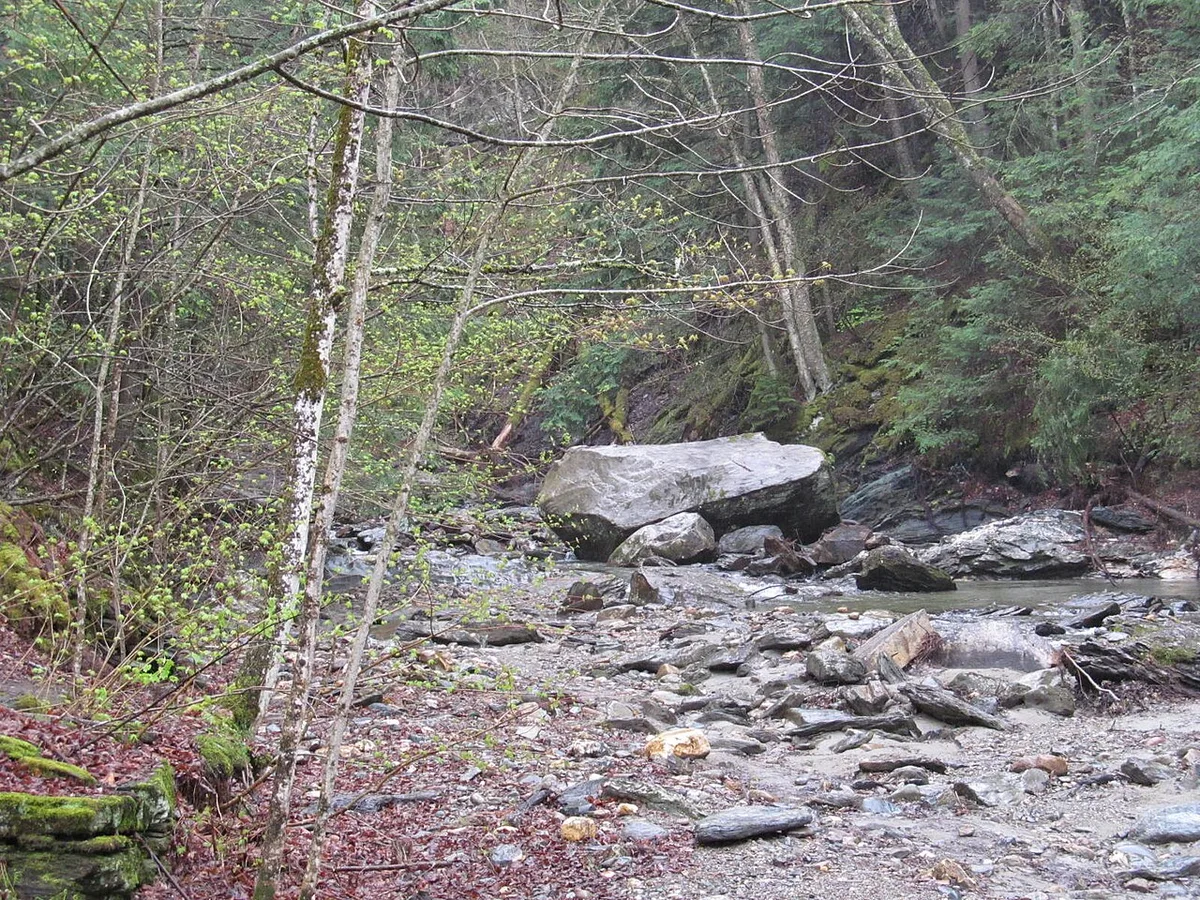
Spring is the quietest useful season for value-minded travelers, but it needs realistic expectations. Maple sugaring gives the season a clear Vermont focus, while breweries, spas, bowling, and village restaurants help when trails are too soft. Mud season is the main risk. Thawing temperatures, runoff, and soft ground can close or damage trails. Stick to hard surfaces when conditions are muddy, especially the 5.3-mile Stowe Recreation Path.
- Choose spring if lower crowds matter more than summit hiking.
- Use the Stowe Recreation Path for walking or biking when soft trails are closed.
- Plan indoor backups such as The Alchemist, Stowe Bowl, or The Spa at Spruce Peak, then verify current hours.
- Skip fragile trails after rain or snowmelt. Muddy shortcuts can widen trail damage and slow reopening.
Summer in Stowe: June to August
Summer works well if you want hiking, biking, waterfalls, and mountain views without October-level crowd pressure. June and July bring longer outdoor days, while August is the sweet spot for many planners. Days around 24°C (75°F) feel warm without deep-city heat. Nights near 16°C (60°F) make patios, fire pits, and open-window lodging more comfortable. Afternoon showers can happen, so keep a rain layer in the day bag.
The 5.3-mile Stowe Recreation Path is the useful fallback across seasons: in spring it keeps you on hard surfaces during mud season, and in summer it pairs well with a rain layer when afternoon showers threaten mountain plans.
- Ride the Gondola SkyRide when it is operating. Current seasonal framing lists daily summer and fall hours around 10 a.m. to 4:30 p.m., weather permitting, with last ticket sales around 4:15 p.m.
- Drive the Auto Toll Road only after checking current status. Go Stowe lists the road season as late May through mid-October, weather permitting.
- Budget for the Auto Toll Road if it fits your plan. Go Stowe lists $37 per car plus $14 per additional passenger.
- Use Moss Glen Falls as a short outdoor choice. It's about a 5-minute drive from town and a 20 to 30-minute trek to the falls.
- For a broader activity list, use things to do before locking each day.
August: The Best Weather-to-Crowd Ratio
August deserves its own decision point because it solves two common Stowe problems. You get summer access to mountain roads, the Recreation Path, waterfalls, golf, and outdoor dining. You also avoid the most intense October foliage rush. Weather is the advantage: highs around 24°C (75°F) and lows around 16°C (60°F) suit morning hikes and evening meals. Weekdays are still better than weekends, especially near downtown parking and popular restaurants.
- Pick August if you want Mount Mansfield access without the peak-color booking race.
- Start hikes early, then keep village time for the warmer part of the day.
- Pack sunscreen, insect repellent, a reusable water bottle, and a rain jacket.
- Check current event calendars rather than assuming a named market, concert, or race will repeat on your dates.
Fall in Stowe: The Foliage Gamble
Fall is the most requested season, but it is also the hardest to time. Vermont Vacation frames peak foliage as a moving target from late September into the first or second week of October. Weather, rainfall, elevation, wind, and early cold can shift the best color. Stowe can still work before or after peak because drives, cider stops, village walks, and lower-elevation color give you options.
- Book midweek if foliage is the priority. Weekend traffic and restaurant waits can absorb the best daylight hours.
- Use Smugglers' Notch as a scenic drive only when it is open and suitable for your vehicle. Large vehicles and trailers are a poor fit for tight mountain curves.
- Keep a backup plan for pre-peak color. Drive higher routes, use the Gondola SkyRide if operating, or focus on Mount Mansfield viewpoints.
- Keep a backup plan for post-peak color. Shift toward village walks, cider stops, breweries, and nearby day trips.
- For a longer trip, add nearby options from Stowe day trips.
Crowds, Closures, and Booking Tradeoffs
Crowds follow the calendar more than the map. Winter weekends cluster around the resort. Fall weekends cluster around foliage drives, Stowe village, Route 100, and the Mountain Road corridor. Spring has the lightest crowds, but closures are more likely. Summer sits in the middle, with August giving the best balance if you can travel before school-year routines fully return.
Winter lodging needs a longer lead time than most plans here: book 4 to 6 months ahead, while October pressure shows up more in dinner reservations, weekend traffic, and tight parking.
| Priority | Best Month or Season | Why It Works | What to Avoid |
|---|---|---|---|
| Best foliage chance | Early to mid-October | Peak often lands near this window, though it shifts each year | Do not arrive without dinner reservations |
| Best skiing | January to February | Winter operations are the trip focus, and cold conditions support ski plans | Do not rely on Smugglers' Notch as a through-route |
| Best weather-to-crowd ratio | August | Warm 24°C (75°F) days and 16°C (60°F) nights meet lower-than-October crowds | Do not skip rain backup plans |
| Best budget odds | April to May | Lower demand can help lodging searches, and paved activities still work | Do not force muddy hikes |
| Best short trip | Late summer or early fall weekdays | You can fit village time, the Rec Path, and one mountain outing into 2 days | Do not overpack remote trailheads without a car |
Stowe Logistics by Season
Stowe village is walkable, but the larger trip is not car-free for most visitors. A car makes Moss Glen Falls, Smugglers' Notch, the Auto Toll Road, and many trailheads easier. Burlington International Airport is about 45 minutes away. Boston Logan is about 3 hours away. Two days cover a highlight trip, while 4 or more days suit hikers, skiers, and travelers adding Waterbury or other nearby stops.
- Use the winter shuttle when it matches your route, then keep a car-free ski day simple.
- Reserve dinner ahead for October, winter weekends, and holiday periods.
- Check weather before committing to the Gondola SkyRide, Toll Road, or trailheads.
- Match lodging to season. Village stays help dining and walking; Mountain Road stays help resort access.
- Use the weekend getaway guide when you want the full trip flow.
Best Backup Stops When Weather or Foliage Timing Misses
Stowe is easier to salvage than many mountain towns when rain, mud, or missed foliage changes the plan. Keep a short list of lower-effort stops near Route 100 and Waterbury, then use them around your outdoor anchor.
- Cold Hollow Cider Mill: Good for cider doughnuts, apples, and a classic Vermont stop between Stowe and Waterbury.
- Ben & Jerry's Factory: A nearby Waterbury option for families, especially when mountain views are socked in.
- Percy's Corn Maze: A seasonal fall add-on when you want foliage atmosphere without another crowded scenic drive.
These stops work best as flexible fillers, not full-day anchors. Pair one with the Stowe Recreation Path, a village lunch, or a short Moss Glen Falls visit. They are also useful after peak foliage, when hillsides may look dull but farm stands and cider stops still feel seasonal.
Frequently Asked Questions
When is peak foliage in Stowe, Vermont?
Peak foliage usually falls from late September into the first or second week of October. Weather can move that window, so check Vermont foliage reports close to your trip.
Is August a good time to visit Stowe?
Yes. August is one of the strongest choices if you want warm weather, fewer crowds than October, and broad outdoor access. Expect about 24°C (75°F) days and 16°C (60°F) nights.
Is Stowe worth visiting in winter if you do not ski?
Yes, if you plan around non-ski activities. You can use village dining, shops, spas, snowshoeing, cross-country skiing, Stowe Bowl, and the winter shuttle when it operates.
Do you need a car in Stowe?
You should have a car for the easiest trip. Stowe village is walkable, but Moss Glen Falls, Smugglers' Notch, the Auto Toll Road, and many trailheads need driving.
How many days do you need in Stowe?
Two days work for a highlights trip with the village, Recreation Path, and one mountain activity. Four or more days fit skiing, hiking, day trips, and weather backups.
When should you avoid Stowe?
Avoid late March through May if hiking is your main goal. Mud season can close soft trails. Avoid peak October weekends if you dislike traffic, restaurant waits, and tight parking.