

Best Time to Visit Beaufort, South Carolina
Last updated August 2026, the best time to visit Beaufort South Carolina is spring or fall if you want walkable weather, event energy, and easier outdoor days. Summer works best for Hunting Island beach time, while winter gives you a quieter base for history, architecture, and short Lowcountry walks.
The Best Time to Visit Beaufort South Carolina: Quick Verdict
Choose spring if your trip is built around food festivals, farm stands, and the first long outdoor days of the year. Competitor coverage identifies spring as the season for the Soft-Shell Crab Festival, A Taste of Beaufort, the Gullah Festival, Dempsey Farms, Hunting Island, the Spanish Moss Trail, Old Point, Cypress Wetlands, and Crystal Lake Park. That makes spring the strongest all-around answer for a first trip.
Pick fall if you want a calmer version of that same outdoor rhythm. Fall brings milder temperatures and Lowcountry harvest timing, especially shrimp season, while avoiding the harshest July and August humidity.
Summer suits you only if beach time is the main reason for coming. Plan around heat, humidity, and parking pressure at Hunting Island State Park. Start early, keep your afternoon flexible, and check current park access before you drive.
Winter is the quietest choice. It works well for Old Point walking, architecture, and short history-focused days. Some seasonal farm stands, tours, or event schedules may be limited, so confirm current status before building a tight plan.
For a compact trip, use this timing guide beside a 9 Beaufort South Carolina Weekend Getaway Essentials for 2026. If you already know your dates, a 2-day Beaufort itinerary helps turn the season into a realistic route.
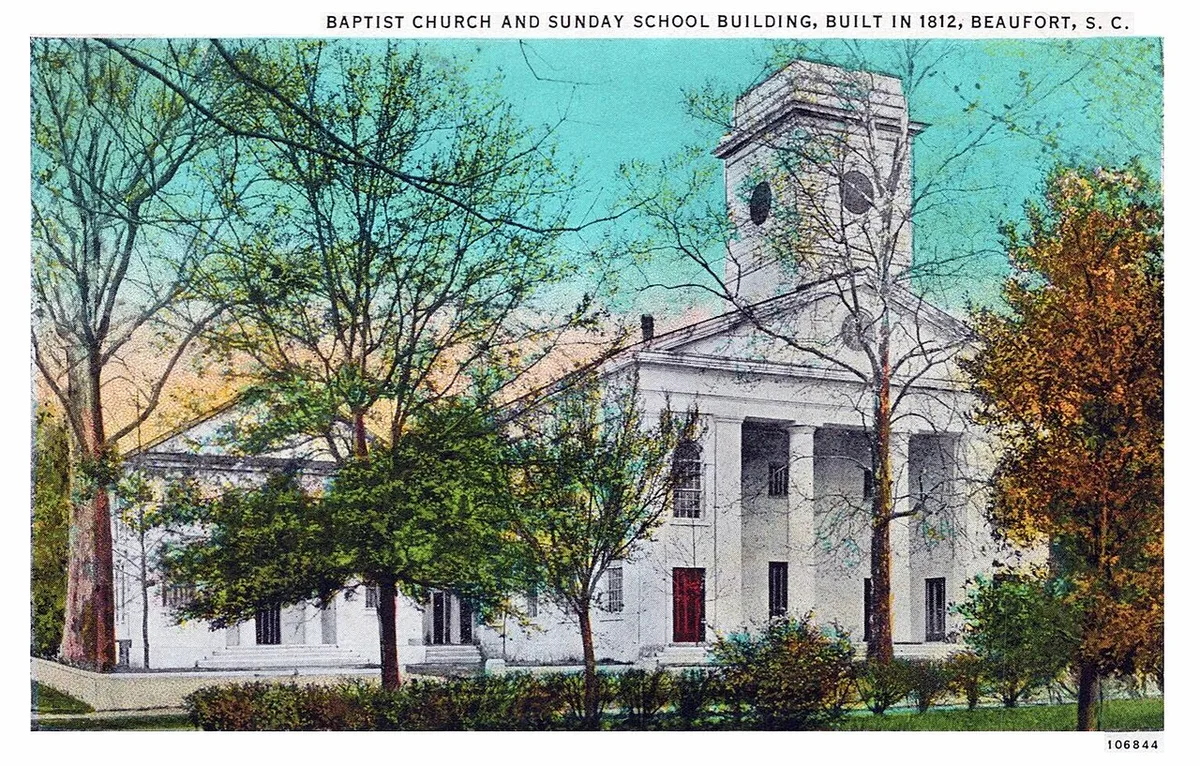
Season Comparison: Weather, Crowds, Costs, and Best Uses
Beaufort’s best season depends on what you want to protect. Spring protects event choice. Fall protects walking comfort. Summer protects beach time. Winter protects quiet time and budget flexibility.
Beaufort sits among South Carolina’s Sea Islands, where tidal marsh and Atlantic humidity shift together through the year, which is why the same trip can feel completely different in July versus January.
Official 2026 hotel rates, ticket prices, and average weather tables shift from year to year, so treat the temperature ranges below as planning bands and confirm current forecasts before departure. For rates, compare current lodging on the property or booking site you plan to use. A practical swing to watch is a $0 self-guided Old Point walk in winter versus a festival weekend that can add paid lodging, food, parking, and event spending.
Use official destination planning pages from Visit Beaufort SC and Discover South Carolina for current event and trip-planning checks before booking.
| Season | Typical Planning Temperature | Crowd Pattern | Cost Pattern | Best For | Main Trade-off |
|---|---|---|---|---|---|
| Spring | 18-27°C (64-81°F) | Higher during festival weekends | Higher around named event dates | Soft-shell crab, Taste of Beaufort, Gullah Festival, Dempsey Farms | Book early for event weekends |
| Summer | 27-34°C (81-93°F) | Beach-focused and busy near Hunting Island | Can rise around beach demand | Hunting Island beach days and short morning walks | Heat, humidity, and possible parking limits |
| Fall | 19-29°C (66-84°F) | Moderate outside major weekends | Often easier than peak spring weekends | Shrimp season, walking, cycling, and marsh outings | Hurricane-season awareness still matters |
| Winter | 8-18°C (46-64°F) | Lowest overall | Best chance for lower lodging demand | Old Point, architecture, quiet history days | Some seasonal operators may reduce hours |
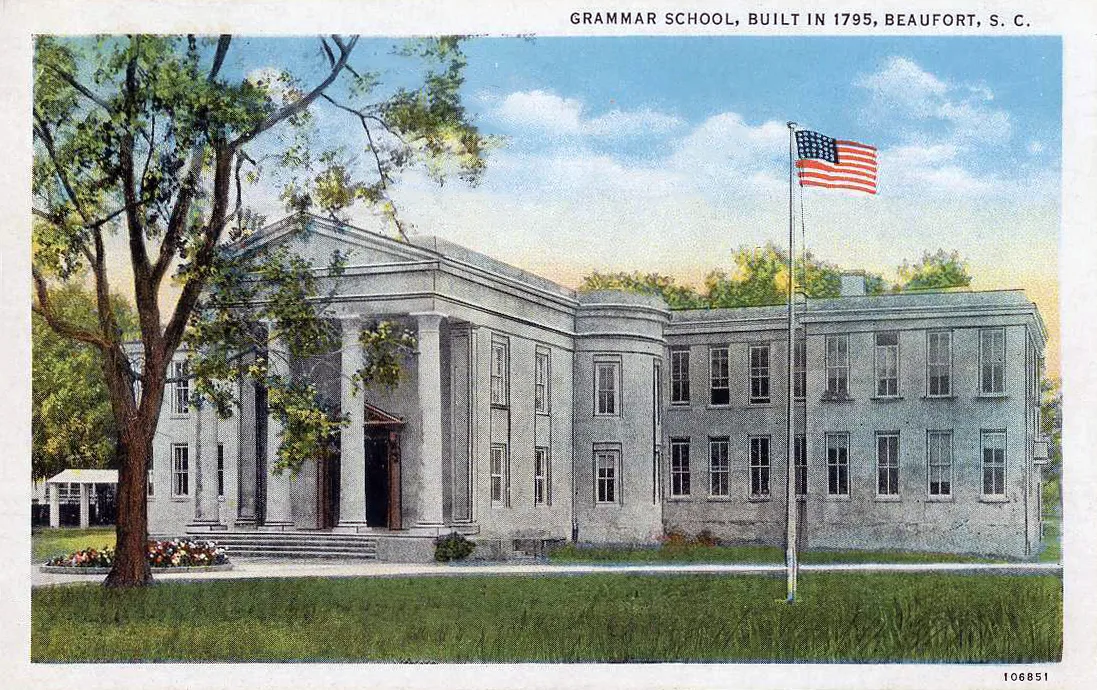
Spring: Festivals, Farms, and the Strongest First-Trip Window
Spring is the best default season for most Beaufort trips. It gives you the broadest mix of food, culture, farm produce, parks, and walkable days, which makes it Beaufort’s most event-heavy season.
Spring still has phases: strawberries can start around April 4, while the Gullah Festival points travelers toward May. Pick the month around the anchor that matters most, then treat lodging and date checks as part of the plan.
Soft-shell crab season is a short spring window. During that window, Beaufort restaurants and the annual Soft-Shell Crab Festival become a major reason to visit. Treat dates as volatile, because annual festival calendars can shift.
A Taste of Beaufort also belongs in spring planning. It’s a food-focused waterfront event with live music, artists, and Lowcountry dishes. If food is a major reason for your trip, check the current date before booking lodging.
The Gullah Festival is another spring anchor. It typically lands in May and stands as one of Beaufort’s major cultural draws, rooted in the Gullah Geechee traditions of the Sea Islands. Book lodging early for that weekend, then use where to stay planning to choose a base that fits your event schedule.
Dempsey Farms adds a farm-season reason to come in spring. Strawberries can start around April 4, with squash and zucchini later in spring. Because farm availability changes with weather, check current crop updates before you drive there.
- Choose early spring for cooler walking and the first farm-season checks.
- Choose April if strawberries at Dempsey Farms matter to your plan.
- Choose May if the Gullah Festival is your top reason to visit.
- Avoid building a tight schedule around one festival without checking current dates.
- Reserve lodging earlier for weekends tied to major food or cultural events.
Summer: Beach Days, High Humidity, and Early Starts
Summer is not the easiest season in Beaufort, but it can still work. It is strongest when Hunting Island beach time is your priority. It is weakest when your plan depends on long midday walks.
Expect hot, humid Lowcountry conditions. Use 27-34°C (81-93°F) as a practical planning band, then check the forecast close to travel. July and August need the most caution, since heat and humidity peak hardest in those months.
Plan summer days around mornings and late afternoons. Walk Old Point early. Save shaded stops, lunch, or indoor breaks for the hottest part of the day. Keep longer outdoor sections flexible.
Hunting Island State Park is the key summer draw. Parking closures can be a problem in peak summer, particularly on weekends and holidays. Check current park access before leaving Beaufort.
If summer is your only travel window, keep expectations realistic. Build a shorter daily list from things to do, then choose the most heat-tolerant activities first.
- Start beach and trail plans early in the morning.
- Check Hunting Island parking and access before driving.
- Keep Old Point walks short during peak heat.
- Carry water and leave space for indoor breaks.
- Treat July and August as the least comfortable months for long walking days.
Fall: Mild Weather, Shrimp Season, and Easier Outdoor Days
Fall is the best alternative to spring. It gives you milder walking weather than summer and a calmer feel than peak festival weekends, with mild temperatures and Lowcountry harvest timing that peaks around shrimp season.
Use 19-29°C (66-84°F) as a broad planning band. Early fall can still feel warm, while later fall usually makes walking more comfortable. Check current forecasts before packing, because humidity can linger.
Fall is a good season for Beaufort Historic District walks, the Spanish Moss Trail, Cypress Wetlands, and Port Royal side trips. The Spanish Moss Trail is a 10-mile greenway and the Cypress Wetlands Trail is a 0.8-mile loop. Those shorter, named routes are easier to enjoy when the heat drops.
Fall also suits travelers who want food without planning the whole trip around a single festival. Shrimp season gives the trip a Lowcountry food focus. Confirm restaurant menus and seafood availability close to your dates.
Keep hurricane-season awareness in the plan. Weighing Atlantic Hurricane Season risk against peak humidity is the real fall trade-off. Fall can be excellent, but flexible bookings matter when coastal weather is unsettled.
- Choose fall for walking, cycling, and shrimp-focused meals.
- Pick later fall if heat is your main concern.
- Use the Spanish Moss Trail for a longer active outing.
- Use Cypress Wetlands for a shorter Port Royal nature stop.
- Keep cancellation terms in mind during hurricane season.
Winter: Quiet Streets, Architecture, and Lower-Pressure Planning
Winter is worth considering if you care more about pace than peak events. Beaufort’s historic streets, Old Point homes, and architecture-focused walks do not depend on beach weather. Cooler days can make those routes easier than July or August.
Use 8-18°C (46-64°F) as a practical winter planning band. That is cool enough for a jacket, but often workable for short outdoor walks. Confirm the current forecast before you finalize clothing.
Winter also helps if you want fewer crowds. It’s the quiet season for history and antebellum architecture. That makes it useful for travelers who dislike packed weekends or prefer slower mornings.
Cost can be more forgiving in winter, though official hotel rates vary by property and date. Compare current lodging directly before booking. The clearest guaranteed budget move is building more free or low-cost walking time into the trip, including Old Point and public waterfront areas.
The trade-off is availability. Seasonal farm stands, some tours, and event-driven activities may have reduced schedules or closures. Check current status before you rely on any one operator.
- Choose winter for quiet history walks and architecture.
- Check tour and farm schedules before building the day.
- Pack layers for cool mornings and milder afternoons.
- Use self-guided walks when you want a lower-cost day.
- Avoid expecting the same festival calendar you would get in spring.
Major Events and Festival Timing
Events can turn a good Beaufort weekend into the right Beaufort weekend. They can also make lodging tighter. Treat event dates as the first thing to verify before booking.
The Soft-Shell Crab Festival belongs to spring planning. Soft-shell crabs appear for a short period in spring, and the city holds an annual festival during that time. Confirm the current date and any location details before planning around it.
A Taste of Beaufort is another spring food event, with Lowcountry food, live music, artists, and waterfront views. Use it if your trip is food-led.
The Gullah Festival is Beaufort’s key cultural event each spring. It typically lands in May and needs advance lodging planning. If that is your anchor, book early and leave room around the event schedule.
Agritourism also has a seasonal clock. Dempsey Farms is listed for strawberries around April 4, then squash and zucchini later in spring. Crop timing can change, so check the farm’s current update before you go.
| Event or Seasonal Draw | Planning Window | Why It Matters | What to Verify |
|---|---|---|---|
| Soft-Shell Crab Festival | Spring | Short soft-shell crab season and restaurant specials | Current date, location, and vendor schedule |
| A Taste of Beaufort | Spring | Lowcountry food, music, artists, and waterfront activity | Current festival date and programming |
| Gullah Festival | May | Major cultural weekend rooted in Gullah and Sea Islands heritage | Current dates and lodging availability |
| Dempsey Farms strawberries | Around April 4 onward | Spring farm stop tied to crop availability | Current crop status and hours |
Old Point, Spanish Moss Trail, and Cypress Wetlands by Season
Beaufort’s best outdoor timing depends on how exposed your route feels. Old Point is best when humidity is lower. Spanish Moss Trail and Cypress Wetlands also benefit from cooler mornings and mild seasons.
Old Point is the most weather-sensitive walk in town. It’s a historic area where you can walk freely and see antebellum homes, businesses, and cultural context along shaded streets. In summer’s high humidity, make it an early walk. In winter’s cooler, drier air, give it more time and cover more ground.
Spanish Moss Trail is listed as a 10-mile greenway. That length makes spring and fall more comfortable than high summer. If you are biking, skating, or walking a longer section, avoid the hottest part of the day.
Cypress Wetlands Trail is a 0.8-mile loop near Port Royal. That makes it easier to fit into summer than a longer trail, especially early or late. Spring can be strong for birding.
Crystal Lake Park is another nature option nearby, a 25-acre park with salt marshes, forest, and Crystal Lake itself. Check current access before you go, because park and trail conditions can change.
- Use spring for the broadest outdoor mix.
- Use summer mornings for Old Point and shorter trails.
- Use fall for longer walks and cycling.
- Use winter for slower architecture-focused routes.
- Check current trail or park status after storms.
Hunting Island Timing and Parking Trade-offs
Hunting Island State Park is the main beach-season reason to time Beaufort carefully. It’s a local favorite with 9 trails, and most of them are easy going, while the Diamondback Rattlesnake Trail is more strenuous.
Spring is the easiest season for combining Hunting Island with Beaufort’s town-based activities. You can hike, bike, and still leave time for food events or Old Point walking. Check current park conditions before committing the day.
Summer is better for beach use than long trail time. Heat and humidity can limit how much you enjoy hiking. Parking pressure can also affect peak summer visits, so check access before you leave.
Fall is a strong park season if your goal is walking, fishing, or a less heat-heavy beach day. Hurricane-season weather can affect coastal parks, so keep plans flexible.
Winter can be quiet, but weather and operating details need checking. If park time is central to the trip, confirm current status through official channels before you book nonrefundable lodging.
- Choose spring for the best park-and-town balance.
- Choose summer for beach time, not long midday hikes.
- Choose fall for milder coastal walks.
- Choose winter for quiet, flexible park plans.
- Check parking, access, and trail status before driving.
Hurricane Season, Humidity, and Booking Strategy
Two weather issues matter most in Beaufort: humidity and coastal storm risk. They affect different parts of your trip. Humidity changes daily comfort. Hurricane-season risk changes how flexible your booking should be.
Summer is the peak humidity problem. Use 27-34°C (81-93°F) as a planning band and expect July or August to feel hardest. Keep walks short, start early, and avoid overloading the afternoon.
Fall can be more comfortable, but hurricane-season awareness still matters. Travelers still need to weigh Atlantic Hurricane Season risk against peak humidity when picking dates. That means fall is not automatic perfection, even when temperatures improve.
Spring usually gives the strongest balance. It has more events than winter, less oppressive heat than summer, and strong outdoor options. Festival weekends are the main planning pressure.
Winter gives the most flexible feel, but not the fullest calendar. You trade events and farm availability for quieter streets and lower-pressure days. That can be the right choice if your trip is built around history, architecture, and walking.
- Prioritize flexible lodging during hurricane season.
- Check forecasts close to departure in summer and fall.
- Avoid nonrefundable plans when coastal weather looks unsettled.
- Build indoor or short-route backups into hot-weather days.
- Book earlier for spring event weekends.
How to Choose Your Month
Choose your Beaufort month by starting with the trip’s main activity. Do not start with the calendar alone. A beach trip, a food trip, and a history trip each point to a different best window.
A route can be the tie-breaker: the Spanish Moss Trail is a 10-mile greenway, while Cypress Wetlands is a 0.8-mile loop. Save longer outings for spring or fall, and use short loops or town walks when summer heat limits the day.
For food and festivals, start with spring. Soft-shell crab timing, A Taste of Beaufort, the Gullah Festival, and Dempsey Farms all point that way. Confirm current dates before booking.
For beach time, choose summer with early starts and access checks. Hunting Island is the reason to accept the heat. Keep your Beaufort town walks short.
For walking, cycling, and harvest-focused meals, choose fall. Spanish Moss Trail, Cypress Wetlands, Old Point, and shrimp season all fit that rhythm. Keep storm flexibility in your booking.
For quiet history and architecture, choose winter. You will miss some seasonal energy, but you gain a slower town experience. That can make a short trip easier to manage.
If you want to add nearby stops, compare seasonal timing with day trips from Beaufort. Some outings work better in mild weather than in peak summer heat.
Planning Your Trip: Logistics and Local Tips
Once you have picked a season, the logistics change with it. Booking timing, what to pack, and how you get around Beaufort all shift depending on whether you are chasing a festival, a beach day, or a quiet history walk.
Lodging fills first around named events. Spring weekends tied to the Gullah Festival, A Taste of Beaufort, or the Soft-Shell Crab Festival need the earliest bookings, since Old Point and downtown rooms are limited. Summer holiday weekends near Hunting Island can also tighten quickly. Winter offers the most flexibility, often allowing later bookings and easier changes if plans shift.
Pack for the season you choose, not just the region. Lightweight, breathable layers and sun protection matter most in summer's heat and humidity. Late summer and fall call for rain-ready gear, since Atlantic Hurricane Season can bring sudden coastal weather. Winter mornings are cool enough for a jacket, even though afternoons often turn mild.
A car is worth having even on a walking-focused trip. Old Point and the historic downtown are compact enough to cover on foot, but Hunting Island, the Cypress Wetlands near Port Royal, the Spanish Moss Trail, and Dempsey Farms all sit outside the walkable core. Build drive time into any single-day plan that mixes downtown and outlying stops.
Trip length should guide the season as much as the season guides the trip. A single weekend works best in spring or fall, when the odds of comfortable walking weather are highest and you need less of a backup plan. A summer weekend still works if Hunting Island is the entire point of the trip. A winter weekend suits travelers who want a short, low-cost, history-focused visit without chasing an event calendar.
Month-by-Month Timing Snapshot
Use the calendar to fine-tune Beaufort, not just the season. March and April are strong for Old Point walks, Spanish Moss Trail rides, and early farm checks at Dempsey Farms. May is best for Gullah Festival planning, but lodging should be booked early.
- June starts the beach-heavy pattern at Hunting Island, with warmer afternoons and busier weekends.
- July and August are the hardest months for long walks because heat and humidity peak.
- September and October can work well for shrimp-focused meals, Port Royal outings, and milder trail time.
November is often the easiest fall month for travelers who want fewer crowds and comfortable historic-district walking. December through February suit architecture, waterfront strolls, and quieter museum or history days. Check current hours before relying on seasonal tours, farm stands, or park facilities.
Frequently Asked Questions
What is the best month to visit Beaufort, South Carolina?
April or May is the best choice for many travelers. Spring gives you festival timing, farm-season activity, and more comfortable walking than July or August.
What is the hottest time to visit Beaufort?
July and August are the hardest months for heat and humidity. Plan around 27-34°C (81-93°F), then check the current forecast before travel.
When is the Soft-Shell Crab Festival in Beaufort?
Soft-shell crab season falls in spring. Confirm the current festival date before booking, because annual event calendars can change.
Is Beaufort worth visiting in winter?
Yes, winter works well for Old Point, architecture, and quiet history-focused walks. Check current hours for tours, farms, and seasonal operators before you rely on them.
When should you visit Hunting Island State Park?
Spring and fall are best for hiking and biking. Summer works for beach days, but you should check parking and access before driving.
How does hurricane season affect Beaufort travel?
Hurricane-season risk makes flexible booking more important, especially in late summer and fall. Keep cancellation terms in mind and check forecasts close to departure.


