
Practical Tips for Visiting Asheville
Last updated August 2026. Practical tips for visiting Asheville start with a simple split: plan the city like a compact, hilly food-and-arts base, then plan the mountains like a separate driving day. Asheville rewards travelers who book key meals early, pick the right neighborhood, and avoid treating the Biltmore or Blue Ridge Parkway as casual walk-up add-ons.
Practical tips for visiting Asheville before you book
Asheville works best when you separate durable planning from details that can change. Asheville sits in the Blue Ridge Mountains of Western North Carolina, anchoring Buncombe County — a setting that explains both the hilly downtown streets and why the surrounding mountains deserve a separate driving day. Durable advice includes choosing comfortable shoes, allowing extra time for hills, booking weekend dinners early, and using a car for the Blue Ridge Parkway. Changeable details include restaurant hours, Biltmore ticket options, festival schedules, road closures, and parking rules. Check current status before you build a day around any one venue or timed entry. The official Asheville travel site is useful for current event and seasonal planning. The state travel site places Asheville within the North Carolina mountains planning context. For arrival choices, pair this guide with getting to Asheville before you choose lodging.
- Book weekend dinner reservations 2-4 weeks ahead when a specific restaurant matters.
- Plan Biltmore as a driven or shuttle-based visit, not a downtown walk.
- Treat October as peak fall planning, with higher demand and heavier Parkway traffic.
- Use January-March for lower-rate planning, but check icy mountain road conditions.
- Keep one flexible half-day for weather changes or road closures.
Four friction points separate a smooth Asheville trip from a frustrating one: the Biltmore's distance from downtown, the city's steep hills, tight weekend dining reservations, and the Blue Ridge Parkway's slow mountain pace. Most first-time visitors underestimate at least one of these before they arrive. The table below pulls each one together so you can plan around it instead of discovering it mid-trip.
| Friction point | Why it catches visitors | Fix |
|---|---|---|
| Biltmore distance | House sits about 3 miles from the entrance gate | Plan to drive or shuttle, never walk |
| Hilly downtown | Walkable streets are rarely flat | Pack shoes built for hills and stairs |
| Weekend dining | Popular tables book out fast | Reserve priority dinners 2-4 weeks ahead |
| Blue Ridge Parkway pace | 45 mph limit, no gas stations, weather closures | Fuel up first and build in extra time |
Choose your season by trade-off, not just weather
October is the most demanding month because fall color creates higher costs, heavier Blue Ridge Parkway traffic, and a stronger need for advance bookings. January-March can be quieter and cheaper, but ice can close mountain roads. Labor Day and festival weekends can reshape lodging prices, parking pressure, and restaurant availability. Before locking dates, read a dedicated best time guide and check current event calendars. Asheville has strong indoor options, but many trips still lean on outdoor drives, gallery walks, and restaurant timing. Build your plan around the least flexible item first. In fall, that may be lodging or a Biltmore house entry time. In winter, that may be a safer road window. During festival periods, that may be dinner.
For an October weekend, treat dinner, lodging, and the Parkway as linked decisions: book priority meals 2-4 weeks ahead, expect slower mountain driving, and leave a half-day unassigned for closures or traffic.
| Timing | Best use | Planning risk | Smart move |
|---|---|---|---|
| October | Fall color and mountain drives | Traffic and higher costs | Book lodging and key meals early |
| January-March | Lower-rate city breaks | Icy mountain road closures | Check roads before drives |
| Labor Day | Event-focused trips | Crowds and parking pressure | Choose lodging near your main plans |
Pick the right Asheville neighborhood for your trip style
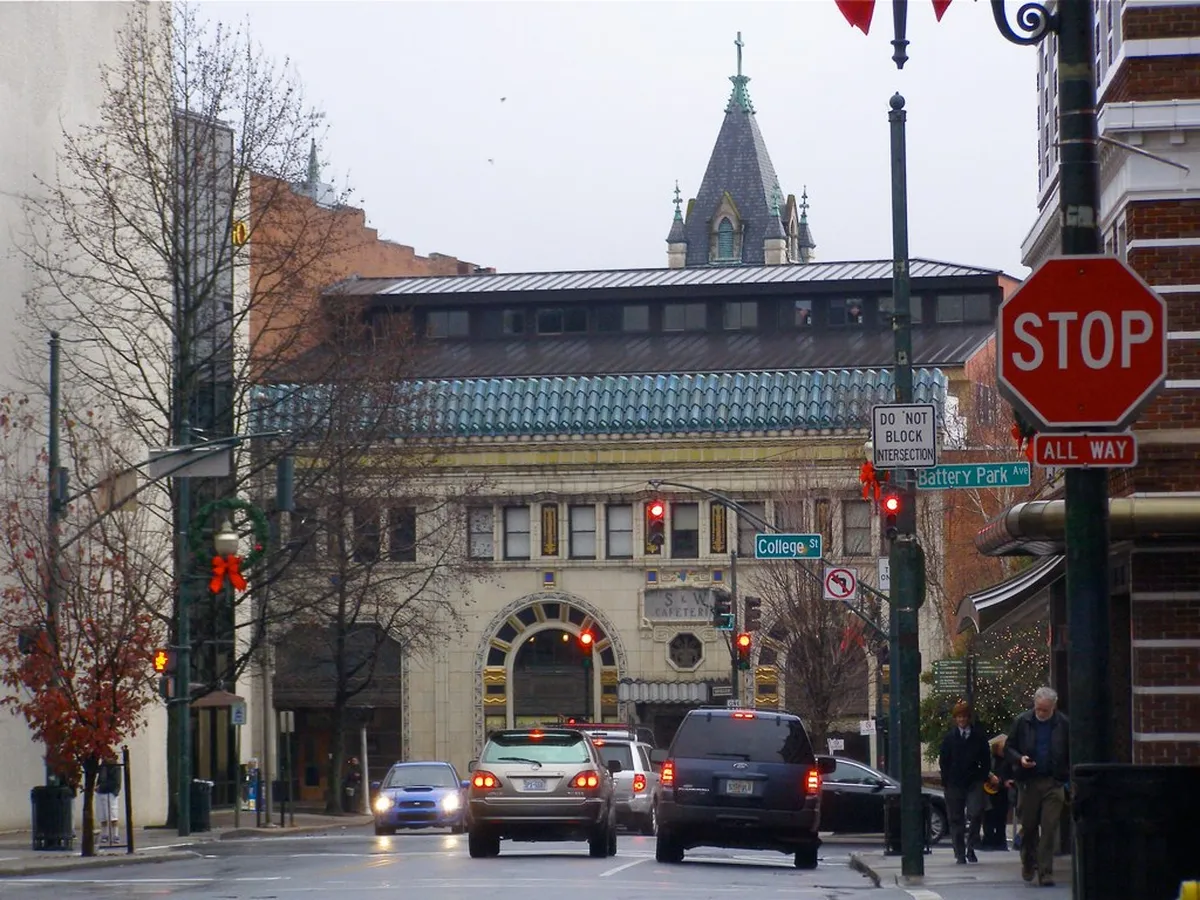
Neighborhood choice affects the whole trip. Downtown gives you the easiest walking base, but the streets are hilly and parking can cost more. West Asheville suits travelers who want cheaper eats and a more local-feeling base, but you should expect to drive or use rideshare for major sights. The River Arts District works well for galleries and French Broad River access, with a more industrial setting. Biltmore Village is the practical choice for proximity to the Estate and higher-end shopping. For a deeper lodging decision, use where to stay before you book. A 2-night trip usually feels smoother when your hotel matches your first priority, not your longest wishlist.
| Area | Best for | Trade-off | Plan around |
|---|---|---|---|
| Downtown | Walking, architecture, breweries | Higher parking costs | Comfortable shoes and garage time |
| West Asheville | Cheaper eats and local energy | Driving to main sights | Rideshare or rental car |
| River Arts District | Galleries and river access | Industrial feel | Short focused visits |
| Biltmore Village | Estate proximity and shopping | Less central for nightlife | Biltmore timing |
Handle Biltmore as a separate logistics project
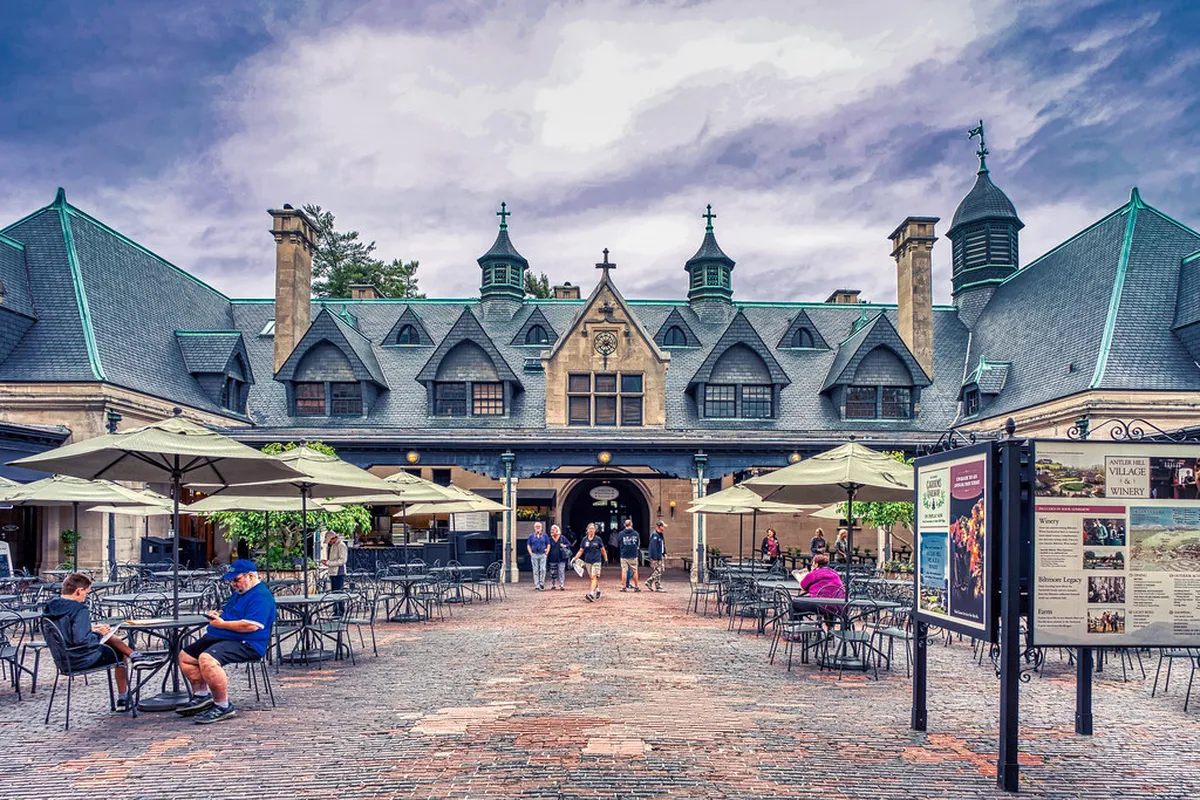
Biltmore is the planning mistake that catches many first-time visitors. Do not stay downtown and expect to walk there. The house sits about 3 miles from the entrance gate, so the estate itself requires driving or a shuttle-style plan. House entry times should be booked in advance because ticket tiers and timed access can shape the day. Tiers, inclusions, and prices change by season, so compare current options directly on the estate's own ticketing page before you purchase. Your best Biltmore day starts with a clear sequence. Visit the house at your assigned time, then choose gardens or winery based on weather, energy, and the rest of your schedule; gardens tend to reward an earlier visit before the paths and photo spots fill in, while the winery's tastings suit a slower, later finish to the day. If Biltmore is the main reason for the trip, consider Biltmore Village or on-estate lodging. If food and breweries matter more, downtown may still be the better base.
- Do not treat Biltmore as a casual walk from downtown.
- Book the house entry time before you plan lunch or dinner.
- Allow extra internal travel time after the entrance gate.
- Check current access details before counting on gardens or winery time.
Reserve the meals that matter and stay flexible elsewhere
Food planning matters in Asheville because the best weekend slots can disappear early. Use 2-4 weeks as the lead time for dinner reservations when a specific restaurant is important. For 2026 budgeting, plan around $50-$70 for a mid-range meal for two. A casual lunch for two can also reach about $50 when drinks or smoothies are included. South Slope works well for a walkable brewery crawl, but check current hours before you build a night around any single brewery. Sort your dining list into must-book tables and walk-in-friendly spots before you arrive, so a long wait at one restaurant doesn't derail the rest of the night. For a deeper dining plan, use Asheville restaurants before booking. Keep one meal flexible each day. That protects you when hikes run late, parking takes longer, or a room is not ready yet.
- Must-book: weekend dinners, special-occasion meals, and small dining rooms.
- More flexible: casual lunches, brewery stops, and counter-service meals.
- Budget anchor: $50-$70 for a mid-range meal for two.
- Timing anchor: 2-4 weeks ahead for priority weekend dinners.
Plan parking, hills, and walkability together
Downtown Asheville is walkable, but walkable does not mean flat. Steep hills are a real planning issue, so footwear matters more than dress. Asheville style is mountain casual, not formal city dressing. Expect comfortable sandals, sneakers, and outdoor layers to fit better than heels. Parking can also shape your day. Downtown has the strongest walking convenience and the highest parking pressure of any Asheville neighborhood. If you plan a brewery crawl, choose lodging or parking once, then stay on foot. If you plan River Arts District galleries, West Asheville meals, and Biltmore in one day, expect multiple transfers. A focused weekend getaway works better with one or two areas per day.
- Wear shoes that can handle hills, stairs, and uneven sidewalks.
- Park once downtown when your plans cluster around restaurants or breweries.
- Use rideshare when you plan to drink across South Slope.
- Avoid packing formal outfits unless a specific reservation requires them.
Treat the Blue Ridge Parkway like a mountain road, not a shortcut
The Blue Ridge Parkway is one of Asheville's biggest draws, but it is not a fast connector. The posted speed limit is usually 45 mph, and conditions can slow you further. There are no gas stations on the Parkway, so fuel up before you drive. Weather-related closures are common enough to check before leaving, especially in January-March. A car is mandatory for Parkway overlooks, hikes, and Pisgah National Forest trailheads. City walks and mountain hikes are different trips. A downtown stroll can fit between meals. A Pisgah trail needs footwear, water, daylight, and a return plan. Hikers aiming for the Appalachian Trail corridor from the Asheville area should plan with that same footwear, water, and daylight buffer, since access points sit well outside the city and connections are not casual add-ons to a downtown day. For broader route ideas, use day trips from Asheville and keep your schedule flexible.
- Use 45 mph as the planning speed, then add time for overlooks.
- Buy gas before entering the Parkway.
- Check weather and closure status before winter or shoulder-season drives.
- Do not stack a long hike, Biltmore, and a major dinner reservation into one day.
Build a realistic 2-day Asheville pace
A 2-day trip can cover Asheville well if you stop treating every neighborhood as mandatory. Put downtown and South Slope together because walking links the experience. Put Biltmore on its own half-day because entry timing and estate scale can absorb more time than expected. Use the River Arts District as a focused gallery block, not a quick afterthought. West Asheville fits best as a meal stop or evening plan when you already have transportation. For a tighter hour-by-hour structure, use this 2-day itinerary. Keep one backup indoor option for rain. Thomas Wolfe Memorial, Asheville Art Museum, the Basilica of St. Lawrence, and Omni Grove Park Inn are the classic rain-day fallbacks, but check current access before you rely on any one stop.
- Day 1 pattern: downtown walk, South Slope breweries, reserved dinner.
- Day 2 pattern: Biltmore half-day, River Arts District, flexible meal.
- Mountain add-on: swap one city block for a Parkway drive if weather cooperates.
- Rain plan: choose museums, galleries, restaurants, or hotel time.
Pack for city comfort and mountain changes
Packing for Asheville should solve two problems: hills in town and changing mountain conditions. Comfortable shoes are the first item. Layers are the second. Even when you spend most of the day downtown, a Parkway drive or Pisgah outing can feel different from a restaurant block. Bring a small day bag for water, an extra layer, and basic sun or rain protection. Keep brewery and restaurant clothing casual unless your booking says otherwise. For Biltmore, choose shoes that work for walking, gardens, and transfers across the estate. Connectivity can be uneven once you leave the city for mountain roads or trailheads, so save key directions before departure. This is especially useful if you plan a 45 mph Parkway drive with stops.
Comfortable shoes cover more than downtown hills: Biltmore adds estate transfers after a house entry time, and a 45 mph Parkway drive can still need water, layers, saved maps, and daylight.
- Shoes: choose sneakers or supportive sandals over heels.
- Layers: bring one light layer for mountain drives or evening temperature shifts.
- Directions: save maps before leaving the city.
- Day bag: carry water, weather protection, and any reservation details.
Use events as a planning constraint
Asheville's calendar can help or complicate a trip. The official tourism site organizes planning around seasons, weekend events, and visitor resources, so check the current calendar before you pick dates. Major event weekends, including Labor Day, can raise demand for rooms, parking, and dinner reservations. Festival travelers should stay near the main event area when possible. Non-festival travelers may prefer a quieter lodging area or a different weekend. For current planning, use festivals and events before finalizing the hotel. If your dates are fixed, reserve the meal that matters most first. Then choose neighborhood plans that reduce cross-town movement. A trip built around 1 event, 1 dinner, and 1 flexible backup usually feels better than a list of 8 targets.
- Check event dates before booking nonrefundable lodging.
- Reserve priority dinners 2-4 weeks ahead during busy weekends.
- Stay closer to the event if parking or rideshare demand worries you.
- Keep one backup plan for rain, traffic, or sold-out entry.
Avoid the common Asheville planning mistakes
Most Asheville mistakes come from compressing the map. Downtown, Biltmore, West Asheville, River Arts District, and the Parkway are not one seamless walking loop. Pick clusters and protect time between them. Another mistake is treating Asheville as formal because of the Paris of the South nickname found in older travel writing. The practical dress code is mountain casual, with shoes that handle hills. A third mistake is waiting too long on dinner reservations, then spending prime evening time searching for a table. A fourth mistake is ignoring mountain weather. January-March can bring road closures from ice, and October can bring traffic from fall travel. For activity planning, use things to do as a menu, then choose fewer stops.
- Do not walk from downtown to Biltmore.
- Do not assume a 45 mph Parkway drive will feel fast.
- Do not leave priority weekend dinners until arrival day.
- Do not wear shoes that only work on flat sidewalks.
- Do not plan a mountain hike without checking weather and daylight.
Use Bee City and Local Markets for Easy Asheville Souvenirs
Asheville was the first Bee City USA, and that identity shows up in gardens, markets, and locally made food gifts. It is a useful lens for shopping without defaulting to generic downtown souvenir stores.

Look for local honey, beeswax goods, native-plant products, and Appalachian pantry items at farmers markets and independent shops. The Western North Carolina Farmers Market is the most practical stop if you have a car. It sits southwest of downtown and works well before or after a Blue Ridge Parkway drive.
- For a low-key nature stop, pair the Botanical Gardens at Asheville with a North Asheville coffee or lunch plan.
- For handmade goods, combine River Arts District studios with a short French Broad River Greenway walk.
- For food gifts, check current hours before visiting market halls, bakeries, or specialty shops.
This angle also helps avoid tourist-trap browsing. Buy something tied to Western North Carolina agriculture, craft, or pollinator culture instead of a generic Asheville T-shirt.
Frequently Asked Questions
How many days do you need for Asheville?
Two days works for downtown, South Slope, Biltmore, and one focused arts or food block. Add a third day if you want the Blue Ridge Parkway or Pisgah National Forest without rushing.
Do you need a car in Asheville?
You can walk much of downtown, but you need a car for the Blue Ridge Parkway, hiking trails, and easier Biltmore logistics. West Asheville and the River Arts District also work better with a car or rideshare.
Is Biltmore walkable from downtown Asheville?
No. This is one of the most common Asheville planning mistakes. The house sits about 3 miles from the entrance gate, so plan for driving, shuttle-style movement, and timed entry.
How far ahead should you book Asheville restaurants?
Book priority weekend dinners 2-4 weeks ahead when you care about a specific restaurant. Keep casual lunches and brewery stops more flexible, especially if weather affects your day.
What should you wear in Asheville?
Wear mountain casual clothes and comfortable shoes. Downtown is hilly, and Biltmore or gallery days can involve more walking than expected.
What is the biggest Asheville travel mistake?
The biggest mistake is planning too many spread-out stops in one day. Downtown, Biltmore, West Asheville, River Arts District, and the Parkway each need their own time buffer.


