

Best Time to Visit Cape May: A Seasonal Guide to the Jersey Shore
Last updated August 2026. The best time to visit Cape May is September if you want warm beach days, lighter crowds, and the first wave of fall birding. Summer gives you the fullest beach setup, while winter and spring trade swimming for lower pressure and easier reservations.
The Best Time to Visit Cape May: At a Glance
September wins because it keeps the useful parts of summer without the hardest parts of peak season — locals sometimes call this stretch the town’s golden window. Average September air temperatures sit near 25°C (77°F), and average water temperatures can still be around 23°C (73°F). That matters if swimming is part of your plan. After Labor Day, crowds thin, restaurant pressure eases, and bird migration starts to shape the day. Use September for a first trip, a couples weekend, or a flexible beach break. Use July or August when guarded swimming and full summer energy matter more than price or parking. Winter works best when you want holiday lights, quiet inns, and meals planned around fewer open places. Spring suits travelers who prefer gardens, birding, and pre-peak pricing over ocean swimming. For a broader route, pair this timing guide with a Cape May weekend plan.
- Families with school-age kids get the most value from July and August, when every beach, shop, and kid-focused event runs on full summer hours.
- Couples and repeat visitors tend to prefer September, when dinner reservations open up, prices ease, and the town keeps its warm-weather feel.
- Birders and Victorian-architecture fans should target October, when peak raptor migration overlaps with Victorian Weekend.
- Budget-minded travelers and anyone chasing a quiet, low-key stay should look at January and February.
Parking is not just a July problem: meters run April 1 through October 31, covering spring and fall weekends too. September may soften crowds, but a park-once plan still helps if you want beach blocks, Washington Street Mall, and dinner in one day.
| Season | Best for | Typical weather | Crowd and cost pattern | Main tradeoff |
|---|---|---|---|---|
| Summer: June-August | Swimming, beach days, families, summer events | June averages 26°C (78°F), July 29°C (84°F), and August 28°C (83°F). Water averages about 22-23°C (71-73°F). | Peak demand. In 2026, Cape May City daily beach tags cost $10 for beachgoers age 12 and older. | Parking and dinner reservations need more planning. |
| Fall: September-November | Local summer, birding, Victorian Weekend, ghost tours | September averages 25°C (77°F), October 19°C (66°F), and November 13°C (56°F). | Best balance after Labor Day. Many businesses stay open, but some reduce midweek hours. | Days get shorter, and beach staffing changes after summer. |
| Winter: December-February | Holiday lights, quiet retreats, lower lodging pressure | Winter averages about 6-8°C (42-47°F). Ocean air can feel colder. | Lowest seasonal pressure. The beach-tag cost disappears outside the guarded season. | Some shops and restaurants close for weeks or switch to weekends-only. |
| Spring: April-June | Gardens, spring birding, Restaurant Week, pre-peak trips | April averages 16°C (60°F), May 21°C (69°F), and June 26°C (78°F). | Prices rise toward June, but the town is easier than July. | Rain is more likely, and the ocean stays cold early. |
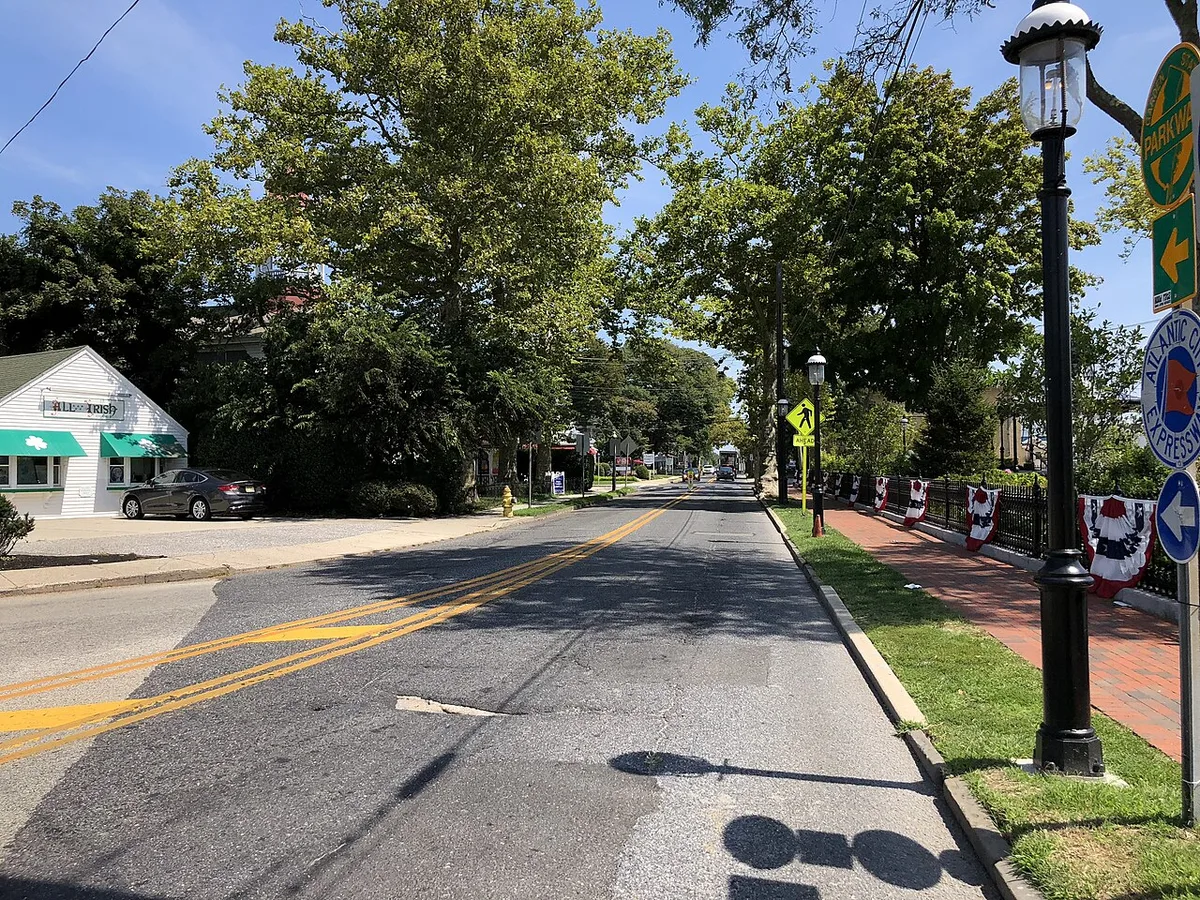
Summer in Cape May: June Through August
Summer is the right choice when swimming is non-negotiable. July and August bring the warmest air, the warmest water, and the most complete beach routine. Cape May tourism pages describe summer shops as opening early and closing late, with events such as free concerts, beach movies, the Baby Parade, Cape May Restaurant Week, and the MidAtlantic Tournament each August. Use summer when you want a classic shore schedule. Start early, break for lunch, and return after the strongest sun drops. Cape May can also feel cooler than inland cities. The coast may run about 8°C (15°F) cooler than hot inland New Jersey, Philadelphia, or New York days. That does not remove the need for shade, water, or parking patience. It just makes the beach more comfortable than a city pavement day.
- Beach tags are the main summer cost to plan around. In 2026, Cape May City lists daily tags at $10, three-day tags at $20, weekly tags at $25, and seasonal tags at $40 after April 30.
- Tags apply to beachgoers age 12 and older during the guarded beach season. Children 11 and under are listed as free.
- Tag rates and rules can shift from year to year, so confirm current pricing on the City of Cape May’s official site before you set a beach budget.
- Beachfront meters are a real summer friction point. Cape May tourism information says meters run April 1 through October 31 from 10 am to 10 pm.
- Summer works best if you book dinner before arrival. Walk-in dining is hardest in July and August.
- For a rainy or overbooked afternoon, choose museums, Victorian house tours, or ideas from Cape May activities.
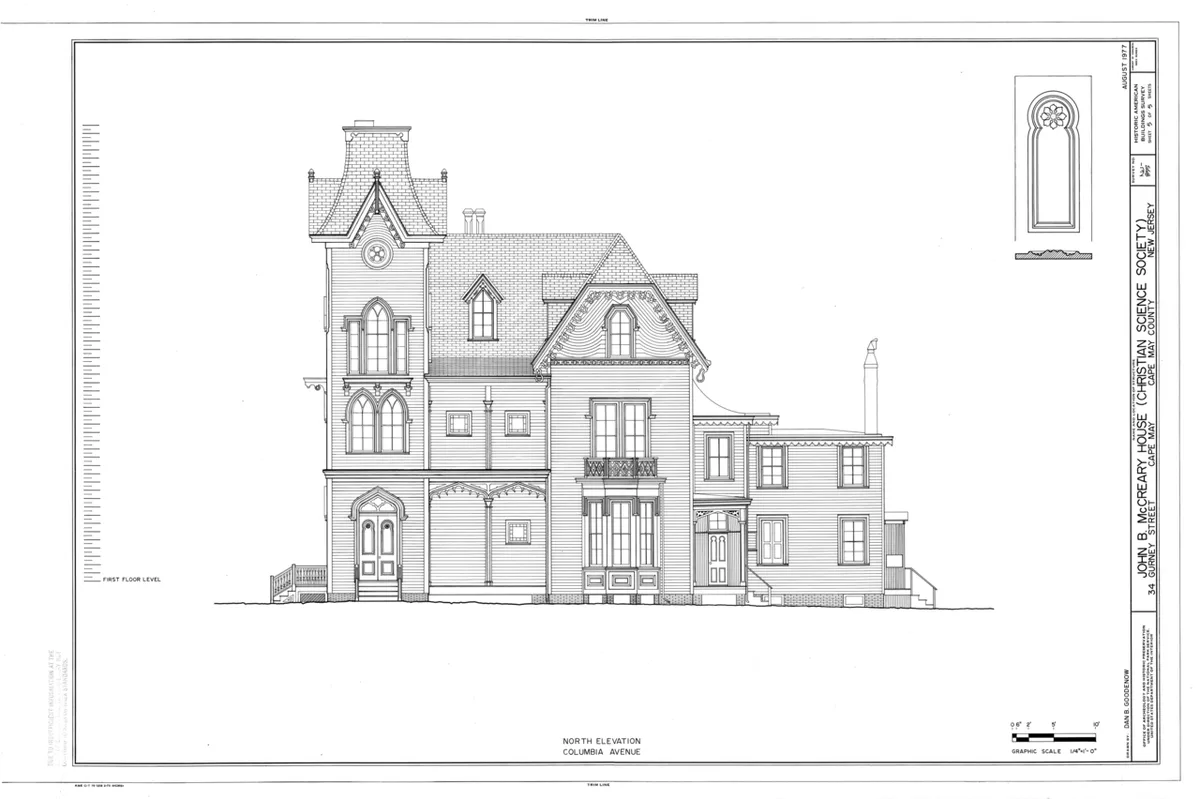
Fall in Cape May: Local Summer and Bird Migration
Fall is the strongest overall season for most travelers. September keeps beach weather in play, and October shifts the focus toward birding, houses, food, and evening tours. South Cape May Meadows, Higbee Beach, and Cape May Point State Park become better reasons to set an alarm than a beach umbrella. Cape May sits where the Delaware Bay meets the Atlantic Ocean, and that geography funnels migrating birds through a narrow corridor — one reason the fall season here has been ranked among National Geographic’s favorite birding destinations. Raptor movement builds through fall, and warblers and shorebirds add variety for casual watchers. You do not need expert gear to enjoy it. Binoculars, a wind layer, and a slower morning are enough for a first attempt. If you care about architecture, October gives you a stronger calendar than spring. Victorian Weekend is the date-driver to watch. Ghost tours at the Emlen Physick Estate also fit the season, but you should check current schedules before building a night around them.
- Choose September for the best weather and crowd balance. Average air temperatures near 25°C (77°F) still support beach walks and swimming.
- Choose October for Victorian Weekend, ghost tours, harvest events, and cooler walking weather near 19°C (66°F).
- Choose November only if quiet matters more than full hours. Average temperatures near 13°C (56°F) make layers useful.
- Beach Plum Farm adds hayrides, mulled cider, and pumpkin picking to the season, and Willow Creek Winery, Sunset Beach, and the Washington Street Mall round out a fall weekend plan.
- If summer traffic feels too tight, build one quieter outing from Cape May day trips instead.
Winter in Cape May: Holidays, Quiet Streets, and Lower Pressure
Winter is not beach season, but it has a clear purpose. Decorated for the holidays, the town has earned a nickname among visitors — the “Stars Hollow of New Jersey” — for the cozy, storybook feel its Victorian streets take on each December. Pick December if you want holiday lights, trolley rides, tree lightings, and historic houses dressed for the season. The mood is closer to a small-town holiday weekend than a shore vacation. January and February are quieter. That can be useful for reading, fireplaces, long meals, and lower lodging pressure. Willow Creek Winery and other local wineries keep fire pits burning on cold evenings, and some years bring Dickens-style readings and décor to the historic district — worth checking a town events calendar before building an evening around either one. It also means you must plan meals with care. Cape May tourism notes that after New Year’s, several shops and restaurants may close for a few weeks or go weekends-only until spring. Year-round options still exist, but you should check current status before assuming a favorite restaurant is open. Winter air averages about 6-8°C (42-47°F), and water temperatures can sit around 3-6°C (37-42°F). Pack for wind, not just the thermometer.
- December is best for holiday programming and decorated Victorian houses.
- January and February are best for the lowest crowd pressure.
- Winter removes the beach-tag line item that applies in summer.
- Restaurant choice is narrower after New Year’s, so book around confirmed open days.
- Use Cape May hotels to compare inns, beachfront stays, and quieter off-season bases.
Spring in Cape May: Gardens, Warblers, and Pre-Peak Value
Spring is a good choice when you want Cape May before the summer switch flips. April is still cool at about 16°C (60°F), while May reaches about 21°C (69°F). June feels closer to summer at 26°C (78°F), but early June remains easier than July. Gardens and Victorian streets carry the season, not ocean swimming. Water temperatures in spring range roughly from 9°C to 20°C (48°F to 68°F), so most travelers should treat the beach as a walking route until late spring. Birders get another reason to come. Visit New Jersey points travelers toward Cape May Bird Observatory in spring migration coverage, and Visit New Jersey also reminds visitors to check attraction sites for current hours before going. That advice matters in April and May, when hours can change faster than summer habits.
- April is best for lower pressure and flexible lodging searches.
- May is best for flowers, spring migration, and more outdoor dining.
- June is best when you want beach weather before peak July rates and crowds.
- Cape May Restaurant Week and the Cape May Music Festival are spring calendar items to verify before you book.
- Historic Cold Spring Village is listed by Visit New Jersey as a seasonal attraction, with public opening described from mid-June through mid-September.
Cape May by Interest: Beaches, Birding, Food, and History
Your best season changes once you rank your trip by interest. Beach-first travelers should choose July, August, or September. July has the hottest average air temperature at 29°C (84°F), while September gives better crowd control with water still warm. Birders should look hardest at fall, then spring. Higbee Beach, South Cape May Meadows, and Cape May Point State Park give you named places to structure mornings. Food-focused travelers should look at Restaurant Week, Cape May Restaurant Weekend, winery visits, and confirmed restaurant hours. Summer gives the widest choice, but September and October can feel easier for reservations. History-focused travelers should consider Victorian Weekend, trolley tours, the Emlen Physick Estate, and the Cape May Lighthouse area. For Black heritage context, state tourism material highlights the Harriet Tubman Museum and Cape May’s Underground Railroad connections through New Jersey travel coverage.
A beach-first trip has a hidden split: the $10 daily tag applies only in the guarded beach season for beachgoers age 12 and older, while winter removes that line item but narrows restaurant choice after New Year’s.
- For swimming: choose July, August, or September. Bring a tag budget for summer beach days.
- For birding: choose September or October first. Add March through May if spring migration matters.
- For food: choose June for Restaurant Week or fall for Restaurant Weekend and winery stops, and add the Lobster House’s dockside dining room and takeout window to any season’s list.
- For history: choose October for Victorian Weekend, or winter for decorated house tours.
- For a short stay: match your season to a 2-day Cape May route.
Planning Tips for the Best Time to Visit Cape May
Good timing helps, but small logistics decide how smooth the trip feels. Summer needs the most advance work. Book lodging first, then dinner, then beach-tag plans. A daily beach tag at $10 can be enough for one beach day. A three-day tag at $20 makes more sense for a long weekend. A weekly tag at $25 fits a Saturday-to-Saturday stay. A seasonal tag at $40 only makes sense if you expect repeat beach days across the season. Fall needs a different approach. Watch event dates, book popular dinners, and leave room for weather changes. Winter planning starts with open hours. Check restaurants, tours, and shops before you lock the itinerary. Spring planning should stay flexible because rain can move your day indoors.
- Do not assume every beach is guarded after Labor Day. Ask locally before swimming.
- Do not leave summer dinner reservations until arrival night.
- Do not treat parking as an afterthought from April 1 through October 31.
- Do not build a winter trip around one restaurant without checking current hours.
- Do not skip Sunset Beach if you want to look for Cape May Diamonds near sunset.
Getting Around Cape May Without Losing Time to Parking
Cape May is easiest when you park once and move slowly. The historic district, Washington Street Mall, Congress Hall area, and beach blocks are close enough for many visitors to link on foot. This matters most from April 1 through October 31, when metered parking is in effect on many central streets.
Bikes work well for flat, short trips between beach entrances, Victorian streets, and Cape May Point. Use extra caution on busy summer weekends, especially near Beach Avenue, Lafayette Street, and the Washington Street Mall approaches. For longer loops, Cape May Point State Park and the lighthouse area make a practical bike destination from town.
The Cape May MAC trolley is useful when you want sightseeing without moving your car. Seasonal trolley tours often focus on Victorian architecture, holiday lights, ghost stories, or the Emlen Physick Estate area. Check current tour times before planning around one route, because schedules change by season and event calendar.
For trip-planning details, see Cape May tourism.
Frequently Asked Questions
What is the single best month to visit Cape May?
September is the best single month for most travelers. You get average air temperatures near 25°C (77°F), warm water, lighter crowds, and the start of fall birding.
Is Cape May better in summer or fall?
Choose summer for guarded swimming, late shop hours, and the fullest beach setup. Choose fall for easier parking, bird migration, Victorian events, and a calmer restaurant scene.
When is Cape May cheapest to visit?
Winter usually brings the lowest lodging pressure, especially after New Year’s. You also avoid the summer beach-tag cost, including the $10 daily 2026 tag for beachgoers age 12 and older.
Can you swim in Cape May in September?
Often, yes, if conditions and lifeguard coverage allow it. September water can still average around 23°C (73°F), but guarded beaches may be reduced after Labor Day.
Is spring a good time to visit Cape May?
Spring is good for gardens, migration, restaurants reopening, and lower pressure before July. April averages about 16°C (60°F), so plan walks and indoor backups instead of swimming.
How many days do you need in Cape May?
Two nights works well for most seasonal trips. Add a third night in summer if you want beach time, dinner reservations, and one day away from the busiest blocks.


