Best Time to Visit Mackinac Island by Season
Last updated August 2026. The best time to visit Mackinac Island is usually late May through September, when ferries, hotels, tours, shops, and outdoor plans line up most easily. Choose June or September for the best balance, July and August for full summer energy, and October for fall color with more closure risk.
Quick Answer: The Best Time to Visit Mackinac Island
Late May through September is the strongest window for most trips. June gives you lilacs, longer days, and less pressure than July. September keeps much of the open-season rhythm but lowers the crowd level after school resumes. July and August work best when warm weather matters more than prices or quiet streets. October can be excellent for fall color, retail specials, and cooler walks, but you need to check current openings before booking. Mackinac Island is car-free, so timing affects more than weather. It changes ferry choice, taxi availability, bike plans, dinner reservations, and how much backup you need. For a short trip, pair this seasonal guide with a Mackinac Island weekend plan. That helps you avoid wasting peak-season hours after arrival.
- Best overall balance: June or September.
- Best warm-weather choice: July or August, with average highs around 24°C (75°F) in July and 23°C (73°F) in August.
- Best lower-crowd open-season choice: May weekdays or late September.
- Best fall-color choice: early to mid October, with cool highs near 12°C (54°F).
- Best winter choice: only if you want a quiet, limited-services trip and can handle flight or reduced ferry logistics.
Season Comparison Table
Use this table as your decision filter before you pick dates. Mackinac Island’s main tourism season runs May through October according to Mackinac Island Tourism, while winter remains possible but much more limited. Weather also shifts fast because the island sits inside the Straits of Mackinac, the channel connecting Lake Huron and Lake Michigan, so wind off either lake can change conditions within an hour. Pack layers even when the daytime forecast looks mild.
| Season | Typical Travel Window | Weather | Crowds | Cost Pattern | Best For | Main Tradeoff |
|---|---|---|---|---|---|---|
| Spring opening | May to early June | Cool to mild; May highs near 15°C (59°F), June near 21°C (70°F) | Low to moderate | Usually better value than July | Quiet streets, early openings, lilacs | Some services open gradually |
| Peak summer | Late June to August | Warmest stretch; July near 24°C (75°F), August near 23°C (73°F) | Highest | Highest lodging pressure; fixed ferry costs still apply | Families, full schedules, boating events | Advance booking matters more |
| Fall shoulder | September to October | Mild to cool; September near 20°C (66°F), October near 12°C (54°F) | Moderate to low | October can bring lodging and retail specials | Biking, fall color, quieter inns | Closures increase through October |
| Winter off-season | November to April | Cold and limited; winter days can sit below 0°C (32°F) | Very low | Fewer visitor services | Snowshoeing, quiet trails, local routines | Transport can shift to air service |
May: Quiet Opening Season
May suits you if you want the island before peak crowds arrive. Businesses begin reopening through the month, and by Memorial Day the visitor season is much stronger. Weather stays cool, so build your plan around walking, shopping, relaxed meals, and flexible bike rides. Average highs near 15°C (59°F) make a jacket useful on the ferry and after sunset. Do not assume every seasonal restaurant, tour, or hotel is fully running on your exact date. Check the current season updates before you lock in a nonrefundable stay. May works well for couples, solo travelers, and anyone who wants Main Street without July-level foot traffic. It is less useful if you want warm water, late-night activity, or a packed event calendar.
- Choose early May for the quietest open-season feel.
- Choose late May if you want more businesses open.
- Bring a wind layer for the ferry and waterfront walks.
- Check bike rentals and carriage options before arrival.
- Keep one indoor meal or shopping block for cold rain.
June: Lilacs, Longer Days, and Better Balance
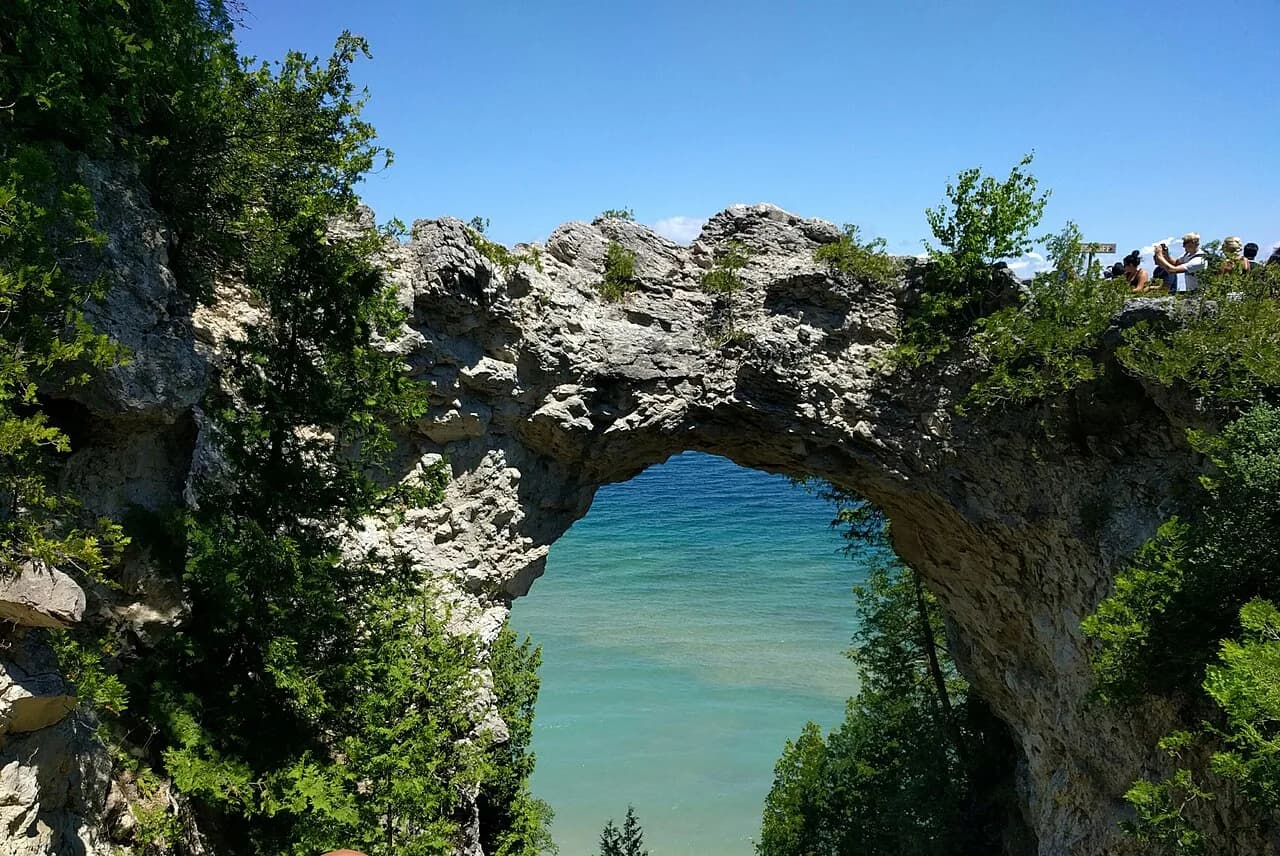
June is the best month for many first-time visitors. The island feels open, but it has not reached the heaviest July and August pressure. The 2026 annual events calendar listed the Mackinac Island Lilac Festival for June 5 to June 14. That makes early June a strong choice if flowers and events matter. Average highs near 21°C (70°F) suit biking, carriage rides, Fort Mackinac plans, and long walks to Arch Rock. The second festival weekend can still book quickly, especially around the parade. If you want the festival mood without the largest crowds, aim for weekdays between major event dates. Use a 2-day Mackinac itinerary to group downtown time, bike time, and historic stops efficiently.
- Best for: first-timers who want open attractions and manageable crowds.
- Event note: 2026 Lilac Festival dates were listed as June 5 to June 14.
- Weather note: June averages near 21°C (70°F), but mornings can still feel cool.
- Booking note: reserve lodging early for festival weekends.
- Planning note: schedule outdoor activities before dinner, when daylight is longer.
July: Peak Season, Fireworks, and Yacht Race Pressure
July is the island at full volume. Choose it when you want long days, full activity choice, and the most summer atmosphere. Average highs near 24°C (75°F) make July one of the best months for biking the 8.2-mile perimeter route mentioned in competitor coverage. Events add another layer. The 2026 calendar listed July 4 celebrations, the Chicago Yacht Club Race to Mackinac from July 10 to July 14, and the Bayview Mackinac Race from July 18 to July 21. Those periods can tighten lodging and dinner availability. Book earlier than you think for weekends and race dates. Also plan ferry timing carefully. Shepler’s 2026 ticket page listed a $39 basic adult roundtrip ferry ticket, a $21 standard bike ticket, and $15 day parking. Those fixed costs help you compare dates, while lodging carries the bigger seasonal swing. July is not the cheapest time to visit, but it gives you the fullest version of the island.
Even on event-heavy July dates, the mainland crossing itself is only 16 to 26 minutes. The time risk is around race-period lodging, dinner slots, parking, bike tickets, and choosing a return ferry before evening plans.
- Best for: families, event trips, and first-timers who want everything open.
- Avoid if: quiet streets and flexible dinner plans matter most.
- Book early for: July 4, yacht race dates, and Friday-Saturday stays.
- Bring: a light jacket for lake breezes, even with 24°C (75°F) daytime highs.
- Use: things to do planning before arrival.
August: Warmest Water and Full Summer Services
August keeps the peak-season setup but can feel slightly easier late in the month. Weather remains one of its strongest arguments. Average highs near 23°C (73°F) and the warmest Lake Huron water of the year make August the best choice for travelers who care about summer comfort. It is still busy, especially before school calendars restart. Treat downtown dining and popular tours as advance-planning items. Families often choose August because services are fully established by then. Couples may prefer the final week, when crowds can begin to soften. Fudge shops, bike rentals, carriage tours, and ferry departures are still part of the classic open-season pattern. Confirm exact schedules before you travel, because operators can adjust times for weather and demand.
- Best for: warm-weather comfort and full activity choice.
- Weather note: August highs average around 23°C (73°F).
- Water note: late summer is best if you care about lake conditions.
- Crowd note: early August stays closer to July demand.
- Timing note: late August can be easier for couples and flexible travelers.
September: The Best Shoulder-Season Compromise
September is the cleanest compromise between comfort and breathing room. Average highs near 20°C (66°F) still support biking, walking, carriage rides, and outdoor lunches. Crowds thin after the school-break peak, but many seasonal businesses remain active. This month works especially well for couples, retirees, and travelers who prefer a slower pace. September also reduces the need to compete with the biggest July weekends. You should still book ahead for popular hotels and Saturday nights. Weather can shift from summer-like afternoons to cool evenings, so pack layers rather than bulky winter gear. If you are deciding where to sleep, compare downtown convenience with quieter areas in the where to stay guide. Location matters more when daylight shortens and evening temperatures drop.
- Best for: lower crowds without giving up the main season.
- Weather note: September highs average around 20°C (66°F).
- Activity note: biking and walking are often more comfortable than in July.
- Booking note: weekends still need advance lodging plans.
- Packing note: bring layers for cool mornings and ferry rides.
October: Fall Color, Discounts, and Closing Weekends
October rewards flexible travelers. Fall color, quieter streets, and end-of-season specials make it appealing. It also carries the most planning risk inside the May-through-October season. Average highs near 12°C (54°F) and lows near 4°C (39°F) mean gloves can be useful for early bike rides. Mackinac Island Tourism’s 2026 calendar listed Fall Fudge Festival for October 2 to October 3 and Halloween Weekend for October 23 to October 25. The official FAQ also notes that seasonal businesses begin closing during October. Grand Hotel’s 2026 season was listed separately as April 24 to October 24, with a closing package on October 25 to October 26. Treat late October as a closing-season trip, not a full-service summer trip. You can save money, but you trade choice for value. The price swing is clearest in lodging and packages, while the ferry baseline remains concrete at $39 for a basic adult roundtrip in Shepler’s 2026 ticket information.
October is not one single service level: Shepler’s season runs April 21 through October 31, while seasonal businesses and Grand Hotel dates can close earlier. Early-month color and specials carry less risk than a late-closing-weekend plan.
- Best for: fall color, quiet walks, and end-of-season shopping.
- Event note: 2026 Fall Fudge Festival was listed for October 2 to October 3.
- Closure note: late October brings more seasonal shutdowns.
- Weather note: October averages near 12°C (54°F) by day and 4°C (39°F) by night.
- Budget note: compare any October lodging special against fixed transport costs.
November Through April: Winter Is Possible, but Different
Winter is not a normal Mackinac Island vacation with the same menu of services. The island remains open year-round, but the visitor experience changes sharply after October. Mackinac Island Tourism’s winter information described the November-through-April period as quiet and subject to change. A small core of year-round businesses, including Doud’s Market and a few local pubs, keeps serving island residents through winter, though hours run far leaner than the summer lineup. It also listed winter transport options that may include Arnold Transit Company when ice allows and year-round air operators by reservation. Another official travel page says the flight to Mackinac Island Airport from St. Ignace takes about 7 minutes. Use winter only if quiet trails, snow, and limited dining sound like the point of the trip. Do not rely on an ice bridge. Treat it as unsafe unless local authorities and current conditions clearly say otherwise. Winter visitors should check transport first, lodging second, and food options third.
- Best for: quiet, snowshoeing, skiing, and photography.
- Not best for: full restaurant choice, shopping, or classic carriage-tour plans.
- Local note: Doud’s Market and a few pubs are among the year-round businesses that stay open for residents.
- Transport note: ferry availability can depend on ice conditions.
- Flight note: air service may require reservations.
- Safety note: never plan around an informal ice crossing.
Best Time by Travel Goal
Your best month depends on the trip you actually want. A family trip, a festival trip, and a low-cost couple’s weekend do not need the same dates. Start with your non-negotiable. Then pick the month that removes the biggest friction.
| Goal | Best Time | Why It Works | What to Watch |
|---|---|---|---|
| Best overall first visit | June or September | Open-season access with less pressure than July | Festival weekends and Saturday lodging |
| Best weather | July or August | Warmest average highs, near 24°C (75°F) and 23°C (73°F) | Higher crowds and hotel demand |
| Best for swimming | August | Lake Huron carries its warmest water of the year by late summer | Still busy before school schedules resume |
| Best for lilacs | Early to mid June | The 2026 Lilac Festival was listed for June 5 to June 14 | Second-weekend parade crowds |
| Best for fall color | Early to mid October | Cooler air and autumn scenery | Seasonal closures and reduced schedules |
| Best for lower costs | May weekdays or October | Lower demand than peak summer | Fewer fully confirmed services |
| Best for day trips | June, September, or early October | You can avoid the worst heat and crowding | Last ferry timing still controls the day |
Ferry, Car-Free Travel, and Seasonal Logistics
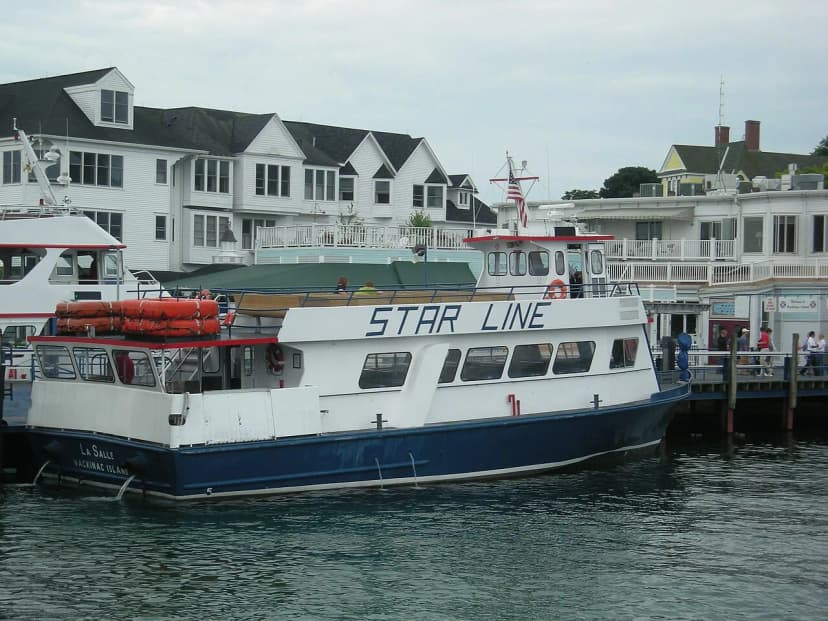
Mackinac Island timing is a logistics decision. You leave your car on the mainland and arrive by ferry, private boat, or air. Official island travel information says passenger ferries run from Mackinaw City and St. Ignace about every 30 minutes during the primary tourist season. Shepler’s FAQ listed its 2026 navigational season as April 21 through October 31. It also states the direct ferry ride usually takes 16 to 26 minutes. Shepler’s is not the only option: the Star Line, run by the Mackinac Island Ferry Company, covers the same Mackinaw City and St. Ignace crossings, so checking both companies’ departure boards can shorten a wait on a crowded morning. Arrive early during peak weekends, because tickets do not remove every line or weather delay. Once you land, walking, biking, and horse-drawn transportation shape your day. Bringing your own standard bike creates another cost decision. Shepler’s 2026 ticket page listed $21 for a standard non-electric bike ticket and $42 for a tandem bike. If you are staying on the mainland, use the day trips guide to keep the final ferry from controlling every choice.
- Mainland ferry ports: Mackinaw City and St. Ignace.
- Ferry choice: Shepler’s and the Star Line (Mackinac Island Ferry Company) both serve these same two ports.
- Typical direct ferry time: 16 to 26 minutes, based on Shepler’s 2026 FAQ.
- Bike transport cost: $21 for a standard non-electric bike ticket in Shepler’s 2026 ticket information.
- Day parking reference: $15 listed for Shepler’s 2026 day parking.
- Peak-season rule: choose your return ferry before you plan dinner.
When to Book: Grand Hotel and Peak Event Weekends
Not every Mackinac Island date carries the same booking pressure. Grand Hotel stays, Lilac Festival weekends in early June, and the two July yacht races pull in reservations earliest, so waiting until the last few weeks narrows your choices fast on those dates. If one specific hotel, package, or dinner seating matters more to your trip than a specific date, book that first and build the rest of your itinerary around it rather than the other way around.
Shoulder-season stretches in May, September, and October carry far less booking pressure overall, but the Friday and Saturday nights inside those months still fill before midweek dates do. Confirm current availability, deposit rules, and cancellation policy directly with the hotel or ferry line before you pay for anything nonrefundable, since operators can adjust their own booking windows from year to year.
- Book earliest for: Grand Hotel stays, Lilac Festival weekends, and both July yacht races.
- Book with more flexibility: weekday stays in May, June, September, and October.
- Confirm directly with the property: deposit and cancellation terms before paying for peak-season dates.
Where to Stay by Season
Your lodging area matters more when crowds, weather, or closures rise. Downtown works best for first visits, day-tripper convenience, and shoulder-season evenings. You can walk quickly to ferries, shops, and many restaurants. Grand Hotel and the West End suit travelers who want the formal resort experience and do not mind planning around property policies and seasonal dates. Quieter interior or removed locations work well in June and September, when bike rides and carriage taxis are easier to enjoy. In October, stay closer to the services you know are open. Late-season rain and colder evenings make long walks less appealing. Check current hotel opening dates before you pay, especially outside June through September.
- Downtown: best for ferry access and short stays.
- Grand Hotel area: best for a resort-centered trip during its operating season.
- Quieter areas: best for June and September stays with more downtime.
- October: choose convenience over isolation.
- Winter: confirm lodging, food, and transport before anything else.
Common Timing Mistakes to Avoid
Most Mackinac Island timing mistakes come from treating the island like a normal drive-up town. It is not. Ferry schedules, no-car rules, seasonal closures, and lake weather all affect basic choices. July visitors often wait too long to book hotels and dinner. October visitors sometimes assume summer services continue until the final weekend. Day-trippers can lose the best hours by arriving late and leaving ferry timing vague. Winter visitors may underestimate how limited the off-season feels. Build one backup plan for weather, one for food, and one for transport. That simple step matters more than squeezing in another attraction.
- Do not bring a car plan onto the island.
- Do not assume October has the same service level as August.
- Do not leave ferry returns undecided on a day trip.
- Do not skip layers, even in July.
- Do not book race weekends or Lilac Festival dates late.
- Do not plan winter travel without confirming same-day transport.
How to Choose Your Dates
Pick June if this is your first visit and you want the island active without peak-summer pressure. Choose July if events, warm days, and full schedules are worth higher demand. Choose August if water temperature and classic summer routines matter most. Pick September if you want the best mix of open services, milder crowds, and comfortable walking weather. Choose October only if fall color and lower-key travel matter more than maximum choice. For official statewide trip context, Pure Michigan is a useful starting point. For the island itself, verify current event dates, lodging openings, and transport details before committing to nonrefundable plans. That matters most for May, October, and winter.
Horse-Drawn Taxis vs. Bike Rentals by Season
Because Mackinac Island has no visitor cars, your travel month affects how you move after the ferry. In peak summer, bikes are usually the fastest option for the flat downtown area and the 8.2-mile M-185 loop around the shoreline. They also work well for reaching Arch Rock, British Landing, and quieter lake views without waiting for a ride.
Horse-drawn taxis are better when you have luggage, mobility limits, formal dinner plans, or a stay away from Main Street. They can be especially useful for Grand Hotel, Mission Point, and The Inn at Stonecliffe arrivals. In July and August, demand can build around ferry landings, dinner hours, and wet weather.
- May and October: confirm bike rental hours and taxi availability before relying on either.
- June and September: biking is often comfortable, with fewer peak-summer delays.
- July and August: reserve more time for taxis, rentals, and downtown congestion.
Frequently Asked Questions
What is the best month to visit Mackinac Island?
June is the best month for many first-time visitors. It usually gives you open-season services, lilac events, and milder crowds than July or August.
When is Mackinac Island least crowded?
May weekdays and late September are usually the easiest open-season choices for lower crowds. October can be quieter, but closures become a bigger factor.
Is Mackinac Island worth visiting in October?
Yes, if you want fall color, cooler walks, and a slower pace. Check current openings because many seasonal businesses begin closing during October.
What are the warmest months on Mackinac Island?
July and August are the warmest months. July averages around 24°C (75°F), while August averages around 23°C (73°F).
Can you visit Mackinac Island in winter?
Yes, but it is a limited-services trip. Confirm ferry or air access, lodging, and food before you travel between November and April.
When should you book a Mackinac Island summer trip?
Book early for July weekends, the Lilac Festival, July 4, and yacht race periods. Lodging and dinner choices tighten fastest during those dates.