
Best Time to Visit Bar Harbor for Weather, Crowds, and Acadia Access
Last updated August 2026. The best time to visit Bar Harbor is September, after Labor Day and before the deeper October chill. You still get open restaurants, Acadia National Park access, boat trips, foliage buildup, and fewer peak-summer bottlenecks.
The Short Answer on the Best Time to Visit Bar Harbor
Choose September if you want the strongest overall balance. Trails are usually more dependable than in mud season, town still has broad seasonal coverage, and summer crowds have started to thin. July and August work best when warm weather matters most, with highs that typically run 20°C (68°F) to 24°C (75°F). May and late October suit budget-focused trips, trading lower demand for more uncertainty as shops, restaurants, tours, and lodging reopen or wind down. Winter works only when you want solitude and can accept limited dining — January through March are the hardest months for a standard vacation, with much of downtown closed and Acadia plans running weather-led. For a compact route, pair this timing guide with a Bar Harbor weekend plan. For activity choices, use the things to do guide after you pick your season.
- Top pick: September, right after Labor Day, for the best mix of open businesses, cooler hiking weather, and thinner crowds.
- Best for budget: May or late October, when rates drop but some services are still reopening or winding down.
- Best for weather: July and August, for the warmest, driest stretch of the year.
Season Comparison Table
Use this table as the decision matrix before you book. Bar Harbor is a seasonal town, so the best month changes by traveler type. Summer gives the broadest activity menu. Fall gives the cleanest balance. Spring gives savings with mud and reopening risk. Winter gives the lowest pressure, but also the fewest open doors.
| Season | Best For | Typical Weather | Crowds | Price Pattern | Main Tradeoff |
|---|---|---|---|---|---|
| Spring, April to May | Lower prices, lighter town traffic, early Acadia access | Spring can range from -1°C (30°F) to 21°C (70°F) | Low to moderate | Often cheaper than summer; some seasonal businesses still reopen gradually | Mud, rain, black flies, and variable opening dates |
| Summer, June to August | Warm weather, boat tours, full town energy, family trips | Summer highs often sit near 20°C (68°F) to 24°C (75°F) | Highest | Highest lodging demand; budget around an under $40 week-long car pass plus peak lodging | Restaurant waits, crowded trails, parking pressure, and Cadillac Mountain reservation planning |
| Fall, September to October | Hiking, foliage, stargazing, restaurants still open | October nights can drop near 4°C (40°F) | Moderate after Labor Day, then foliage weekends rise | September stays strong; late October can soften after peak foliage | Chilly nights, shorter days, and seasonal staffing changes |
| Winter, November to March | Solitude, snowshoeing, cross-country skiing, lowest demand | Winter can sit around 0°C (32°F) or below | Lowest | Lowest lodging pressure where rooms remain open | Limited dining, road closures, cold wind, and weather-driven plans |
Summer in Bar Harbor: June Through August
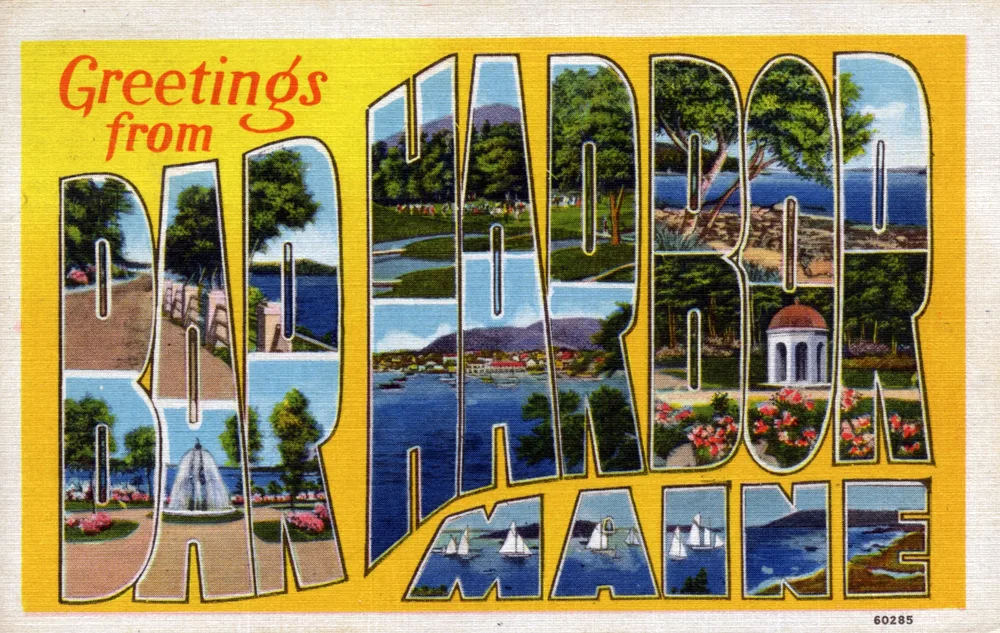
Summer is the best season when warmth and maximum availability outrank cost. Restaurants, shops, boat excursions, ice cream stops, bike rentals, and waterfront activities have their strongest coverage. July and August also bring the highest pressure. Popular restaurants can run waits close to two hours, so dinner reservations matter, especially in August. Acadia parking also becomes part of the trip. Cadillac Mountain needs advance planning because parking is limited and reservations apply during busy periods. Cruise ship calls can add extra foot traffic downtown, so check the current schedule before you lock dining times. Island Explorer shuttle service is usually a major summer advantage, especially if you want to reduce parking stress. It typically runs from late June through Indigenous Peoples' Day — verify current 2026 dates before relying on it. Summer also brings the town's biggest annual events, including the Fourth of July parade and fireworks and the Bar Harbor Music Festival; both are worth building a trip around if the dates line up with your travel window. Summer is also the easiest season for a two-day plan with town, trails, and water time.
Fall in Bar Harbor: September Through October
Fall is the strongest season for many first-time visitors. September keeps much of the town open while softening the worst summer crowding. Air feels cooler, humidity drops, and Acadia hiking usually remains practical. October shifts the focus toward foliage. Peak color usually lands around mid-October, though exact timing moves each year, so check a current foliage report before locking dates. Nights can feel sharp, especially near 4°C (40°F). Pack layers rather than one heavy item. The Acadia Night Sky Festival runs in September, pairing dark, low-humidity skies with the post-Labor Day crowd dip. Check the current event calendar through Visit Bar Harbor before planning around a specific night. Late October is better for value than peak foliage weekends. It can also mean fewer open seasonal services. If lodging style matters, compare downtown walkability with quieter Mount Desert Island bases in the where to stay guide before booking.
Winter in Bar Harbor: November Through March
Winter is not the best season for a classic Bar Harbor trip. It can be the right season for quiet roads, snowshoeing, cross-country skiing, and low-demand lodging. Still, you need a flexible plan. Many downtown businesses close for the season, and January through March are especially shut down, with a large share of restaurants, shops, and tours closed until spring. Dining choices may be limited. Weather can change routes quickly. Acadia remains central, but vehicle access is not the same as summer. Vehicle access to much of Park Loop Road also closes for the winter (exact window in the Acadia timing section below), so confirm current road status before driving out. Winter temperatures can sit at 0°C (32°F) or below, and wind makes exposed viewpoints feel colder. Pack traction, waterproof layers, and backup indoor options. This season rewards travelers who want space more than convenience. It frustrates travelers who expect broad restaurant choice, boat trips, or late-night town activity.
Spring in Bar Harbor: April Through May
Spring is a calculated trade. You get lower demand and the feeling of a town coming back online. You also accept mud, rain, black flies, and uneven openings. Spring weather swings widely, from about -1°C (30°F) to 21°C (70°F), and that range explains the packing problem: a sunny afternoon can sit close to light-jacket weather, while a summit or shaded trail can feel winter-adjacent. Hiking requires extra caution. Some muddy trails may close to protect terrain, so check current Acadia conditions before you commit to a route. May is better than April for more openings, but early May is still not summer. Do not arrive expecting every restaurant, shop, museum, and tour to operate on peak-season hours. Rainy days can still work: indoor options include local museums, an indoor climbing gym, shopping, and Mount Desert Island's gardens, though each needs a current status check for 2026. The Abbe Museum, a Smithsonian affiliate devoted to the history and present-day culture of Maine's Wabanaki Nations, is one of the better rainy-day stops and typically reopens for the season in spring — confirm current hours before visiting.
Match Your Trip Type to the Right Week
Season is only the first filter. Once you know summer, fall, spring, or winter fits your trip, the specific week matters almost as much, because a hiker chasing dry trails, a photographer chasing foliage, and a budget traveler chasing lower rates are each better served by different weeks inside the same season.
| Traveler Type | Best Weeks | Why |
|---|---|---|
| Hikers and trail-focused travelers | Mid-June to early July, or mid-September to early October | Trails are past mud season but before the heaviest midsummer trailhead crowds, and again after Labor Day thins crowds but before peak-foliage weekends fill trailhead parking |
| Budget travelers | Late May and late October | These shoulder weeks bring the lowest lodging pressure, though some restaurants and shops may still be reopening or already winding down for the season |
| Foliage photographers | The week or two bracketing mid-October | Peak color usually lands around mid-October; arriving just ahead of the single busiest weekend keeps both color and crowds manageable |
| Foodies and shoppers who want a table without a wait | Early-to-mid September | Most restaurants and shops are still fully staffed and open, but the two-hour August waits have already eased |
| Families balancing school schedules and crowd tolerance | Late June | School is out and the Island Explorer shuttle is usually running, but the trip lands just ahead of the toughest July-August reservation scramble |
| Stargazers | The week of the Acadia Night Sky Festival in September | Combines dark, low-humidity skies with the post-Labor Day crowd dip |
Acadia Timing Changes the Right Month
Bar Harbor planning depends on Acadia National Park logistics. Cadillac Mountain is the biggest timing issue for many visitors. You need a reservation to drive to the summit because parking there is limited; treat that as a core summer and fall planning step, not a last-minute detail. Park Loop Road also changes with the season. Much of it typically closes to vehicles from December 1 through April 14, reopening in stages as weather and staffing allow. That affects scenic drives, trailhead access, and short-stop sightseeing. Island Explorer can reduce parking stress during its operating period. It typically runs from late June through Indigenous Peoples' Day, but confirm current 2026 dates before you build a car-free plan around it. Acadia pass cost also belongs in the budget. A week-long vehicle pass for the Park Loop has generally run under $40, though National Park Service fees are adjusted from time to time — confirm the current price on the NPS Acadia website before checkout.
Month-by-Month Bar Harbor Snapshot
This snapshot keeps the choices practical. Exact weather and event dates change, so use it as a planning filter. For current statewide travel framing, cross-check seasonal guidance on Visit Maine before you book flights or lodging.
| Month | Typical Temperature Cue | Crowd Level | Price Pressure | Best Use |
|---|---|---|---|---|
| January | Around 0°C (32°F) or below | Very low | $ where lodging remains open | Quiet Acadia days, with limited town services |
| February | Around 0°C (32°F) or below | Very low | $ | Snowshoeing or cross-country skiing when conditions allow |
| March | Near winter to early spring conditions | Very low | $ | Flexible trips only, with many closures possible |
| April | Spring can still start near -1°C (30°F) | Low | $ to $$ | Early reopening, rain plans, and careful trail checks |
| May | Can reach about 21°C (70°F) | Low to moderate | $$ | Budget trips, reopening restaurants, early whale watching |
| June | Moving toward 20°C (68°F) | Moderate to high | $$ to $$$ | Hiking, biking, boat trips, and longer daylight |
| July | Often around 24°C (75°F) | Highest | $$$ | Warmest town-and-water trip, with advance bookings |
| August | Often around 24°C (75°F) | Highest | $$$ | Peak summer amenities, with the hardest reservations |
| September | Cooler than August, with comfortable hiking days | Moderate | $$ to $$$ | Best all-around balance after Labor Day |
| October | Nights can reach about 4°C (40°F) | Moderate, higher on foliage weekends | $$ | Foliage, hiking, and late-season value |
| November | Dropping toward winter conditions | Low | $ | Quiet town walks, with limited services |
| December | Around 0°C (32°F) or below | Very low | $ | Winter scenery, road-status checks, and short daylight |
Best Time for Bar Harbor Activities
Match your timing to the activity that matters most. Whale watching generally runs mid-May through October, so May can work if operators are running and seas cooperate. Hiking is strongest from June to October because you avoid the worst mud-season issues. Summer gives the driest, warmest feel, but popular trailheads fill. September gives the better crowd-weather balance. Lobster eating is possible year-round where restaurants remain open, but soft-shell lobster season typically starts in July, when the meat is sweeter and shells crack more easily. Stargazing points toward September because of the Acadia Night Sky Festival. Jordan Pond popovers, Thunder Hole, Cadillac Mountain, Sand Beach, Echo Lake, and Bass Harbor Head Light are the most common Acadia stops for a short visit. Check access and timing before you go. High tide matters most at Thunder Hole, where the wave effect is strongest. Parking pressure matters at Bass Harbor Head Light and Cadillac Mountain.
A hiking-heavy plan is easiest from June to October. A scenic-drive backup needs a winter check, since Park Loop Road closes to vehicles for several months each winter — see the Acadia timing section above for the exact window — which changes how quickly you can reach short Acadia stops.
Where to Stay by Season
Stay in Bar Harbor village when walkability matters. That choice helps most in summer, when parking and dinner logistics are harder. You can walk to shops, restaurants, boat departures, and many evening plans without moving the car. Southwest Harbor is the better fit when you want fewer crowds and accept more driving. Locals often call it the Quiet Side, so treat it as a calmer base rather than a downtown substitute. Eden Village Motel & Cottages is a cabin-style option worth considering, while The Asticou Inn and The Claremont lean historic and higher-end. Check current opening dates directly before booking any seasonal property. May and late October can reveal good value, but they can also bring limited restaurant hours. August gives the broadest choice, but it puts the most pressure on lodging and dining reservations.
Factor in more than the room rate. A walkable village stay can cut down on parking hunts and short in-town drives during the highest-traffic weeks, which matters most from mid-June through August, when lodging, dinner, and parking pressure all peak together.
Mistakes to Avoid When Picking Dates
Do not book early May and expect August-level availability. Spring reopening is gradual, and store hours vary widely from one business to the next. Avoid treating winter like a cheaper version of summer. It is a different trip, with limited dining and road-status uncertainty. Skip casual dinner planning in August. Peak-season waits run long, so book important meals ahead. Do not ignore Cadillac Mountain reservations. Parking is limited, and that affects sunrise plans. Avoid building a car-free itinerary around Island Explorer without checking current operating dates. Typical service timing is useful, but exact 2026 dates control the plan. Pack layers in every season. Spring can move from -1°C (30°F) mornings to 21°C (70°F) afternoons, and fall nights can reach 4°C (40°F). For side trips beyond town, keep plans flexible with the day trips guide.
Check the Cruise Ship Calendar Before Choosing Dates
Bar Harbor can feel very different on a large cruise ship day. The Town of Bar Harbor posts a cruise ship calendar, and it is worth checking before you choose lodging dates or dinner times.
The biggest impact is downtown, especially near the waterfront, Main Street, West Street, and Cottage Street. Sidewalks, shops, lobster spots, and tour meeting points can fill quickly after passengers come ashore.
Cruise traffic does not make Acadia unusable, but it can change the rhythm of the day. Popular short stops like Thunder Hole, Jordan Pond, Cadillac Mountain, and Sand Beach may feel busier when ship passengers join bus tours.
If your dates are flexible, choose a low-ship day for downtown browsing, waterfront meals, and easy parking. Use busier ship days for early hikes, the quieter side of Mount Desert Island, or longer plans outside Bar Harbor village.
Frequently Asked Questions
What is the best month to visit Bar Harbor?
September is the best month for most travelers. You get open seasonal services, easier dining than August, strong Acadia access, and cooler hiking weather. October is better for foliage. July and August are better for the warmest weather.
Is Bar Harbor too crowded in August?
August is the most difficult month for crowds. Expect pressure on restaurants, parking, lodging, and popular Acadia stops. Book dinner ahead and plan Cadillac Mountain access early. Walkable lodging can reduce daily car stress.
Is May a good time to visit Bar Harbor?
May can be a good budget month, but it is not peak season. Some businesses may still be reopening, and trails can be muddy. Spring weather can range from -1°C (30°F) to 21°C (70°F), so pack for swings.
When is foliage season in Bar Harbor?
Foliage builds through fall, with peak color usually around mid-October. Exact timing changes each year. Book earlier for more open services, or choose mid-October when foliage matters most.
Can you visit Bar Harbor in winter?
You can visit in winter, but the trip is quieter and more limited. Many downtown businesses close for the season. Acadia can support snowshoeing or cross-country skiing when conditions allow. Park Loop Road access is usually reduced.
When should you visit Acadia National Park from Bar Harbor?
June through October is the most practical Acadia window for most visitors. September is the best balance for hiking, town services, and lower crowd pressure. Summer gives warmer weather, but it requires stronger reservation planning.


