
7 Best Areas Where to Stay in Savannah
The best place to stay in Savannah depends on how much walking, noise, and parking cost you're willing to accept. First-timers do best in the North Historic District near River Street and City Market; couples and quieter travelers prefer the South Historic District or Forsyth Park; riverfront resort-seekers pick Plant Riverside; SCAD-adjacent foodies choose Starland; and budget or car-bound travelers head to Midtown, with Tybee Island as the beach add-on.
Quick Guide: Where to Stay in Savannah at a Glance
Savannah works best when you book around how you will move each day. The Savannah Historic District gives you the easiest walking access to squares, River Street, City Market, Bay Street, Broughton Street, Jones Street, and Forsyth Park. Midtown and outer areas make more sense when you have a car and want to reduce parking pressure. For trip timing, pair this lodging guide with the 2-day Savannah itinerary before you choose a base.
| Area | Best for | Main trade-off |
|---|---|---|
| North Historic District | First-timers, nightlife, river access | Noise, crowds, and valet costs |
| South Historic District | Squares, inns, Forsyth Park stays | Less late-night activity |
| Plant Riverside District | Entertainment-heavy riverfront stays | Resort-style prices and busy evenings |
| Starland and Victorian Districts | Cafes, rentals, SCAD energy | Less classic tourist convenience |
| Midtown and Outskirts | Budget stays and free-parking searches | About 15-20 minutes by drive or rideshare |
| Tybee Island | Beach time with Savannah day visits | About 20 minutes from downtown |
| Forsyth Park Area | Longer walks, quieter evenings | Farther from River Street |
Which Savannah Neighborhood Fits Your Trip
Beyond the area-by-area breakdown, it helps to match a neighborhood to the kind of traveler you are, not just the map. The table below pairs common trip types with the base that suits them and the reasoning behind it, so you can skip straight to the section that applies to you.
| Traveler type | Best area | Why |
|---|---|---|
| First-timers with limited days | North Historic District | Walking distance to River Street, City Market, and Bay Street sights |
| Couples and romantics | South Historic District or Forsyth Park | Quiet squares, Spanish moss, and inn-style stays away from nightlife noise |
| Foodies and design-focused travelers | Starland and Victorian Districts | SCAD-driven cafes, galleries, and boutique rentals outside the tourist core |
| Families and budget-focused travelers | Midtown and the outskirts | Free or cheap parking, chain-hotel predictability, and lower nightly rates |
The trade-off running through every row is the same: proximity to the squares costs more and gets louder, while distance saves money and simplifies parking. Decide which side of that trade you want before you start comparing individual hotels.
North Historic District: River Street, Bay Street, and City Market
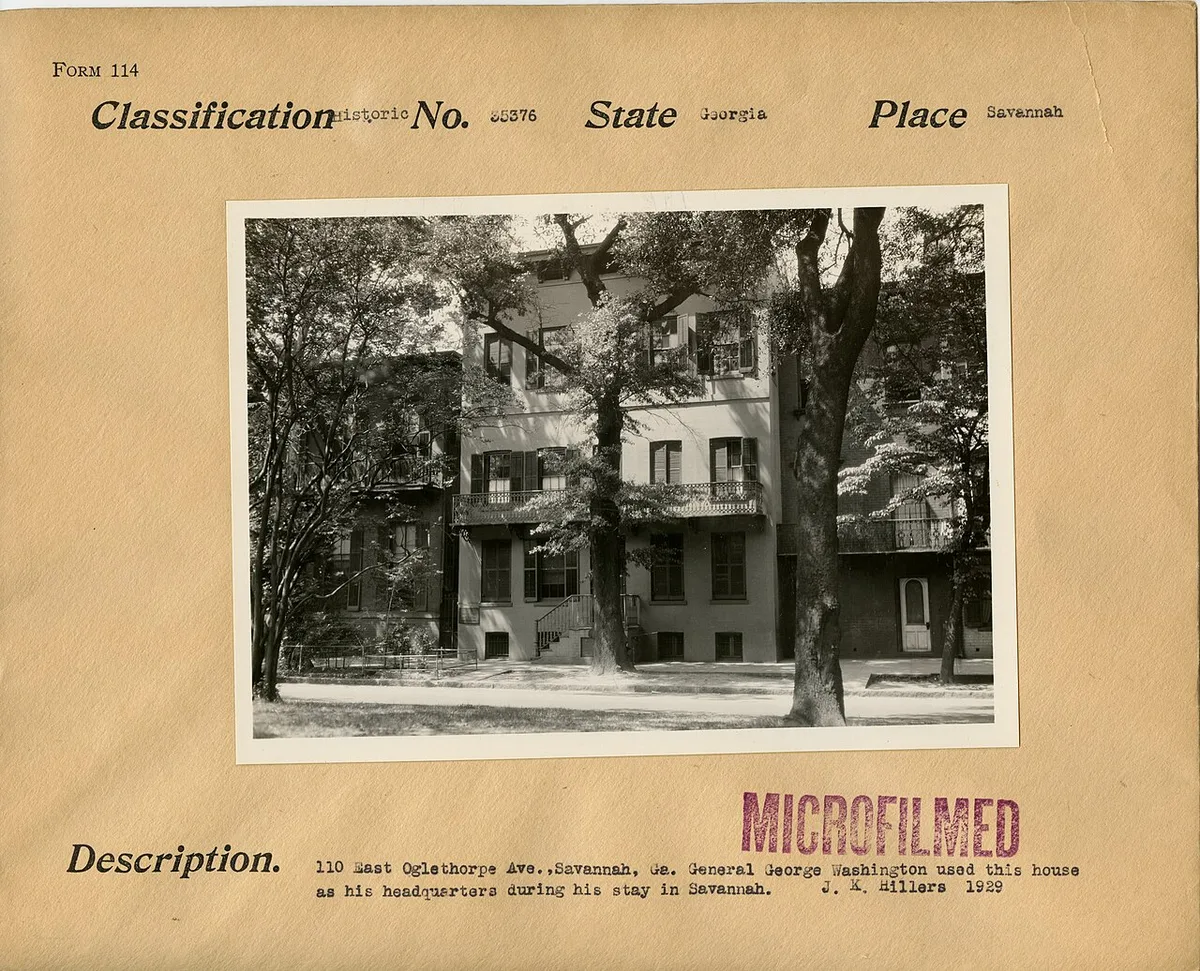
The North Historic District is the walkable core most first-time visitors picture when they think of Savannah. It runs from the Savannah River waterfront up through Bay Street to Broughton Street and City Market, so River Street's warehouses-turned-restaurants, the shops of City Market, and the Bay Street hotel row sit within a few blocks of each other.
Staying here means many classic Savannah things to do are a short walk from the door, and evenings stay lively with restaurants and bars open late. The trade-off is more street noise after dark, heavier tourist foot traffic, and Historic District valet parking that commonly runs $40 or more a night at many hotels.
Among River Street hotels and the Bay Street corridor, competitor coverage repeatedly names The Cotton Sail Hotel, Hyatt Regency Savannah, and the Bohemian Hotel Savannah Riverfront as anchor properties for this stretch, alongside a run of chain and boutique options closer to City Market. Treat these as a starting point and confirm current rates, views, and parking policy directly with each property before booking.
South Historic District: Jones Street, Forsyth Park, and the Inns
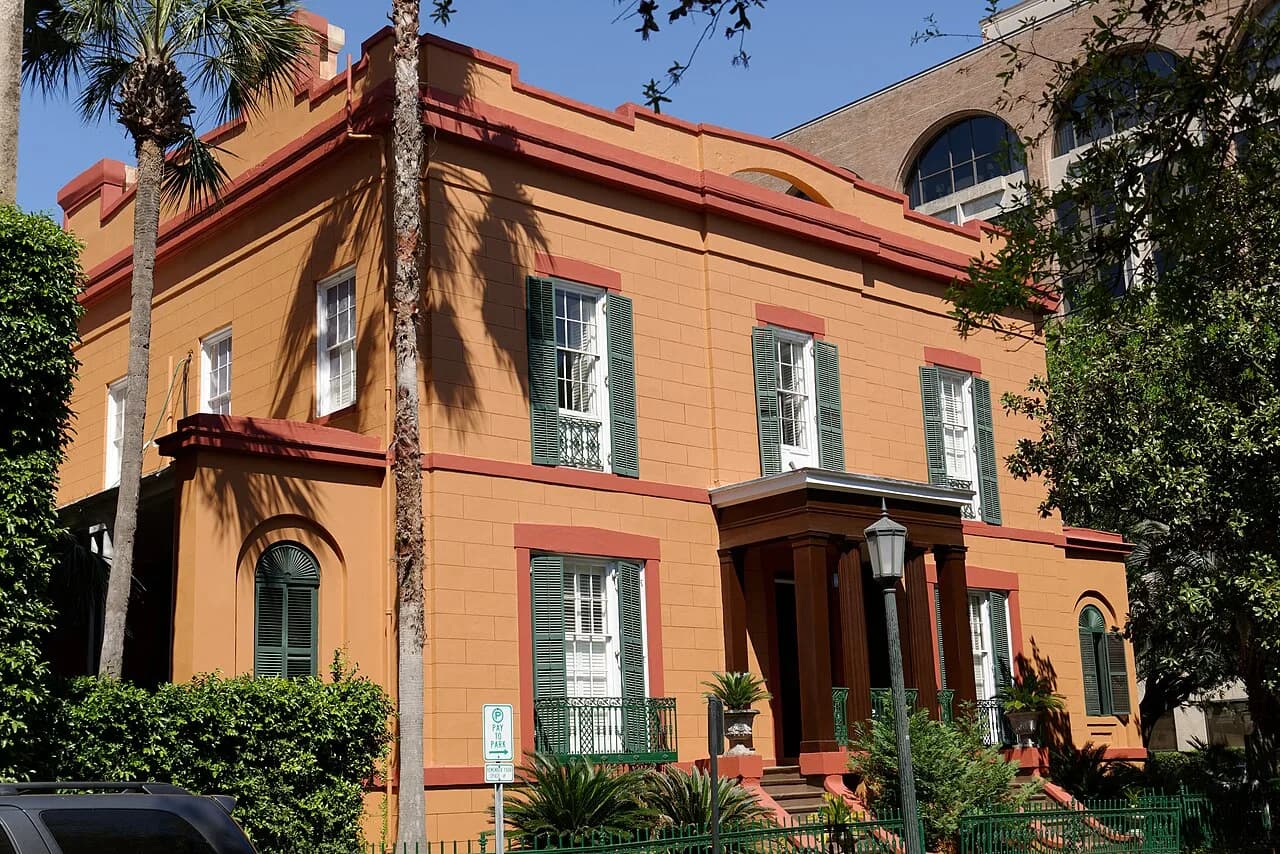
The South Historic District, stretching from around Liberty Street down to Forsyth Park, is the classic Savannah of shaded squares, Spanish moss, and residential-feeling blocks. Jones Street anchors this end, and Forsyth Park accommodations here suit travelers who want old houses and quieter nights over nightlife.
This end of the district is extremely picturesque, but late-night dining is thinner than around River Street and City Market, so plan dinner reservations ahead if you would rather not walk far after dark. It also sits farther from the river, which matters more on hot, humid afternoons.
Hotel Bardo, set inside the historic Forsyth Mansion facing the park, is the most-cited named property in this zone; its site lists a spa, a cooking school, an on-site restaurant, and seasonal package offers, so check current availability and pricing before booking. Other frequently named options include the Hamilton-Turner Inn, Perry Lane Hotel, Kehoe House, Ballastone, and The Gastonian. Each is a Victorian-era mansion turned inn, and each is worth checking directly for current rates and policies rather than relying on a listing snapshot.
Plant Riverside District: Savannah's Newest Riverfront Resort Core
Plant Riverside sits on the far west end of River Street, built around a converted early-20th-century power plant. The anchor among Plant Riverside District hotels is the JW Marriott Savannah Plant Riverside District, a large resort-style property with restaurants, bars, and riverfront activity built into one complex rather than spread across separate blocks.
This area works well for travelers who want a resort feel within a walkable city, including riverfront restaurants and hotel amenities in one stop, without choosing an older warehouse-style stay. Even so, evening crowds build around the riverfront entertainment district, so it is not the quietest choice.
Before booking here, check your walking route to the upper Historic District streets. The bluff and Factors Walk can matter more for getting around than the map distance suggests, since Plant Riverside sits at river level rather than atop the bluff.
Starland and Victorian Districts: SCAD Energy and Local Rentals
The Starland District and the neighboring Savannah Victorian District sit outside the tourist core and carry a different energy, shaped heavily by the Savannah College of Art and Design (SCAD) student population, independent cafes, galleries, and a growing number of boutique rentals. These blocks are transitioning from largely residential streets to a mix of long-term homes and short-term stays.
Named options here include boutique rentals scattered through both districts and the Galloway House Inn as a fixed property to check directly. This area works well for repeat visitors who already know the Historic District layout; first-timers should compare walking distance carefully before locking in a rental, since a few blocks can change the feel of a stay considerably.
Parking tends to be easier here than in the northern Historic District, which is part of the draw for travelers with a car. Still, verify the exact address against a map before booking, since "Starland" and "Victorian District" cover a wider area than the compact grid of squares downtown.
Midtown and the Outskirts: Budget Stays and Easier Parking
Midtown Savannah hotels, clustered mainly along Abercorn Street, are the practical choice when parking and nightly rate matter more than stepping straight out into the squares. This stretch is dominated by familiar chain properties rather than historic inns or boutique hotels.
The trade-off is a roughly 15-20 minute drive or rideshare into the Historic District from most Midtown and outer-area hotels. For travelers who plan to keep a car anyway, or who are visiting on a tighter budget, that drive can still work out cheaper once Historic District valet and parking fees are factored in.
Tybee Island: The Beach Alternative
Tybee Island is the beach alternative, not a Historic District substitute. It has its own laid-back coastal feel and does not look or feel like downtown Savannah, since it is a separate barrier-island town roughly 20 minutes from downtown by car.
Choose Tybee as your base when your trip splits fairly evenly between ocean time and city touring, and you don't mind the drive back in for dinner or evening plans. It is a weaker fit if late-night city activity or car-free walking to every sight is the priority. Pair it with the Savannah day trips guide if Tybee is one stop on a wider coastal itinerary.
Mapping the Landmark Historic District
Savannah's Landmark Historic District runs from River Street on the north down to Gwinnett Street on the south, bounded by East Broad Street to the east and Martin Luther King Jr. Boulevard to the west. Nearly every area covered above, apart from Midtown, Starland's outer edges, and Tybee Island, sits inside these boundaries.
Knowing this boundary matters because "close to the Historic District" can mean very different walks depending on which edge of the grid a hotel sits on. For an official reference map before you book, compare the planning pages from Visit Savannah and Explore Georgia, both of which list current lodging by district.
The Bluff, Factors Walk, and Accessibility
Savannah's riverfront geography can surprise visitors. River Street sits below the bluff, while Bay Street is about 40 ft above the water. That height change is bridged by Factors Walk, the network of iron walkways and stone ramps that link the bluff-top buildings along Bay Street down to the River Street level below. A short map distance may still involve steep historic stairs or a longer route because of it.
Only one public elevator serves this entire river stretch, located near City Hall. If stairs are a concern for anyone in your group, ask the hotel about the exact route from the lobby to River Street, not just the walking distance shown on a map.
The free DOT shuttle can help with short Historic District hops, but it does not erase the riverfront height change: Bay Street sits about 40 ft above River Street. Ask about the actual lobby-to-river route if stairs are a problem.
Parking, Costs, and When Midtown Makes Sense
Parking is one of the clearest reasons to avoid the busiest Historic District blocks. Historic District valet parking commonly runs $40 or more a night at many hotels, and that cost adds up fast on a multi-night stay. Midtown or outer-area hotels can make sense if they offer parking and you plan to drive anyway. For a car-free weekend, paying more for a walkable base may still be simpler. For a road-trip stop, Midtown can be the cleaner choice.
Common Booking Mistakes to Avoid
A few recurring mistakes account for most of the booking regret travelers report after a Savannah trip. Watch for these before you confirm a room.
- Booking on the name alone: some listings that surface under a Savannah search actually sit in Pooler, a separate suburb roughly 20 minutes away, or in another outlying area well outside the squares. Check the map pin, not just the property name.
- Ignoring valet and parking fees when comparing rates: a cheaper Historic District room can lose its price advantage once $40-plus nightly parking is added in.
- Assuming River Street is easy for every traveler: the bluff and Factors Walk's historic stairs can make access harder than expected for anyone with mobility limits, strollers, or heavy luggage.
- Underestimating the heat and humidity for walking: check when to visit Savannah before locking in dates, since summer humidity can shrink how far you actually want to walk between sights.
For a wider planning path, start with the 8-Part Savannah Weekend Getaway Guide for 3 Days guide, then choose the area that matches your days.
Distance works differently depending on the base: Tybee is about 20 minutes from downtown by design, while some outer hotels only look close because the listing says Savannah. Check the map before treating a lower rate as comparable.
Getting Around Without a Car
If you stay in the Historic District, you can often avoid driving once you arrive. Walking is still the main way to connect squares, Broughton Street, City Market, and Forsyth Park. The biggest exception is the riverfront, where the bluff and Factors Walk can add stairs or detours between the top of the bluff and the Savannah River's edge.
Savannah also has visitor-friendly transit options worth checking before you book. The free downtown DOT shuttle and the Savannah Belles Ferry, both coordinated through Chatham Area Transit (CAT), serve key Historic District stops and connect parts of the riverfront, including Hutchinson Island and River Street, across the Savannah River. Pedicabs are common around busy tourist blocks and can help with short evening hops. Confirm current routes and operating hours on the CAT site before relying on any of these for a fixed schedule.
- Best car-light base: North or South Historic District
- Best check before arrival: DOT route map and operating hours
- Best reason to keep a car: Tybee Island, Midtown hotels, or day trips
Frequently Asked Questions
What is the best area to stay in Savannah for a first visit?
The north Historic District is the easiest first-visit base. You will be close to River Street, Bay Street, City Market, and Broughton Street. Expect more noise and higher parking costs.
Is it better to stay near River Street or Forsyth Park?
Stay near River Street for nightlife, river views, and short walks to the tourist core. Stay near Forsyth Park for quieter evenings, inns, and a more residential feel.
Is Midtown Savannah a good place to stay?
Midtown is useful when you have a car and want a more practical hotel search. The trade-off is usually a 15-20 minute drive or rideshare to the Historic District.
Should I stay on Tybee Island or in Savannah?
Stay on Tybee Island if beach time is the main goal. Stay in Savannah if squares, restaurants, tours, and riverfront walks matter more. Tybee is about 20 minutes from downtown.
Do I need a car if I stay in the Historic District?
You may not need a car for a short Historic District stay. Walking works well for many core sights. A car becomes more useful for Midtown, Tybee Island, and day trips.
What should I ask a Savannah hotel before booking?
Ask about parking cost, valet requirements, elevator access, and the exact walking route to River Street. Also ask whether your room faces a busy nightlife area.