

Practical Tips for Visiting Savannah
Last updated August 2026. These practical tips for visiting Savannah help you handle the city’s real planning friction, from humid afternoons to parking choices and uneven historic streets. You can build a smoother trip by treating Savannah as a walking city first, then using shuttles, garages, and rideshares only when they save time. Check seasonal timing before you lock dates, especially if your plans overlap spring crowds, summer heat, or major events in the best time guide.
Plan Your Savannah Trip Before You Book
Start with layout, weather, and pace. Savannah rewards slow movement, but the logistics are not automatic. The Historic District puts many first-trip sights close together, yet River Street and Factor’s Walk can be rough underfoot. Heat also changes how much you can comfortably do in one stretch. Use Visit Savannah for current visitor planning basics before you finalize dates. Cross-check statewide travel context through Explore Georgia when you are pairing Savannah with other Georgia stops.
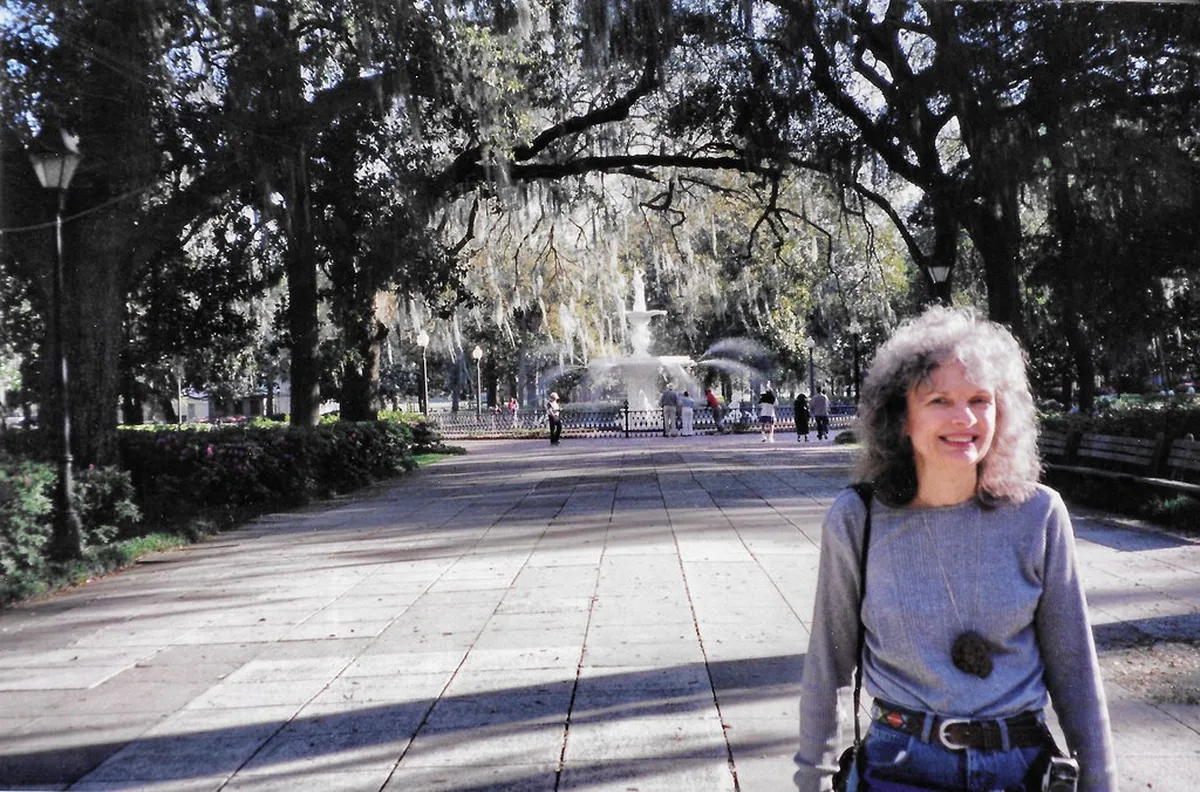
- Plan around walking first, especially inside the Historic District.
- Treat River Street and Factor’s Walk as slower zones because of uneven surfaces.
- Reserve popular restaurants 2-4 weeks ahead when your dates are fixed.
- Check event calendars before booking spring weekends.
- Build indoor breaks into summer afternoons.
- Use your hotel location as a logistics tool, not just a room choice.
Choose Your Arrival Plan Around the Car Question
Savannah can work with or without a car. Flying into SAV keeps the arrival simple, while driving gives you flexibility for beach, marsh, and day-trip plans. Once you are in the Historic District, a car can become more burden than benefit. Street parking takes attention, and hotel valet fees can change the value of a cheap room. Read the Savannah arrival guide before deciding whether to rent, drive, or rely on rideshares.
The math is simple once you frame it that way: if your trip stays inside the Historic District core, a car adds cost and stress without adding much freedom, because the shuttle and rideshares cover the same ground with less hassle. If your plans include beaches, marshes, or towns outside the city, the car earns its keep, and the real question becomes where to park it once you're back, not whether to bring it at all.
| Arrival choice | Best for | Main trade-off |
|---|---|---|
| Fly into SAV | Short trips and car-free weekends | You still need a transfer into the city |
| Drive to Savannah | Day trips and regional stops | Parking becomes a daily planning task |
| Use rideshares locally | Dinner, nightlife, and one-way routes | Prices and wait times can shift by demand |
| Keep a car parked | Trips beyond the Historic District | Garage or valet costs may outweigh convenience |
Use the DOT Shuttle, Then Park Once
For many visitors, the best parking strategy is to stop moving the car. City-owned garages — including the Bryan Street and Liberty Street garages — plus the ParkSavannah app cover most Historic District parking needs; confirm current daily rates before you commit, since garage pricing changes. Park once, then walk or use the free DOT Express Shuttle when it fits your route. Check current shuttle routes and hours before relying on it for dinner or an early departure. Avoid building a day around finding street parking near every stop. That approach wastes time, and it usually costs more in frustration than the money it might save.

If an anchor dinner is booked 2-4 weeks ahead, solve transportation before arrival too: park once, compare valet with garages, and use rideshares when dinner parking would slow the night.
- Compare your hotel valet quote with city-owned garage options before arrival.
- Use the ParkSavannah app for eligible metered parking areas.
- Check DOT Express Shuttle status on the day you plan to ride.
- Move the car only when the next stop is outside the walkable core.
- Use rideshares for late dinners if parking would slow the evening down.
Walk Savannah Carefully, Especially Near River Street
Walking is part of the Savannah experience, but not every route feels equal. The Historic District’s grid and squares make navigation easy on paper. Pavement, steps, brick, cobblestones, and curb cuts can make the same route slower in practice. River Street and Factor’s Walk need extra care because the historic surfaces are uneven. Mobility-impaired travelers should review routes before committing to steep or stepped connections.
- Wear stable shoes instead of thin sandals for long sightseeing days.
- Leave extra time between River Street and higher streets.
- Use smoother parallel routes when stairs or cobblestones are a problem.
- Pause in squares, but keep pathways clear for other pedestrians.
- Do not assume a short map distance means an easy accessible route.
Pick a Base by Noise, Not Just Distance
Where you stay changes the entire trip. A Historic District base north of Liberty keeps more restaurants, squares, and riverfront stops within easy reach. That convenience can also mean more nightlife noise and higher parking pressure. Victorian District and Starland stays can feel calmer and more neighborhood-focused, but you may use more rideshares. Compare areas in the Savannah hotel guide before choosing a room.
| Area | Works well for | Watch for |
|---|---|---|
| Historic District north of Liberty | First-time visitors who want short walks | Nightlife noise and parking friction |
| Victorian District | Travelers who want a quieter base | Longer walks to riverfront plans |
| Starland | Food, coffee, and a more local-feeling stay | More rideshare use for classic sightseeing |
Handle Open Containers Without Being That Visitor
Savannah’s to-go cup culture is useful, but it has rules and etiquette. Locals sometimes call it the "Savannah handshake" — the plastic cup passed hand to hand as a group walks from one stop to the next. The rule to remember is a 16 oz plastic cup inside the Historic District open-container zone. The commonly cited area runs from River Street to Jones Street, but you should verify current boundaries before your trip. Do not carry glass. Do not bring an outside drink into a new bar. Treat the rule as a convenience for walking between stops, not a license to turn quiet squares into party spaces.
- Keep drinks in plastic cups of 16 oz or less.
- Verify the current open-container boundary before relying on it.
- Finish or discard a drink before entering another bar.
- Keep noise down around residential squares.
- Use trash cans instead of leaving cups on benches or walls.
Reserve the Meals That Matter
Savannah can be easy for casual food, but famous dinner rooms book up. If The Grey or Olde Pink House is central to your trip, plan 2-4 weeks ahead when possible. Keep backup options for late arrivals, weather delays, and event weekends. Use the Savannah food guide for dining planning. Pair meals with nearby stops from the things to do guide so you are not crossing town between courses.
- Book anchor dinners first, then build sightseeing around them.
- Keep lunch more flexible than dinner.
- Avoid tight reservations after tours that may run long.
- Use rideshare for dressed-up dinners if parking is uncertain.
- Check current restaurant hours before walking across town.
Respect the 22 Squares Like Shared Neighborhood Space
Savannah’s 22 squares are public parks, not private courtyards. Even so, many sit beside homes, inns, churches, and small businesses. Use them for shade, photos, and short rests. Keep music low, avoid blocking sidewalks, and clean up food or drink waste. Square etiquette matters most at night, when voices carry and residential blocks feel quieter.
- Step aside before stopping for photos.
- Keep benches available for other visitors and residents.
- Avoid loud speaker audio in residential-feeling squares.
- Use public paths instead of cutting through planted areas.
- Leave group drinking for appropriate nightlife blocks.
Plan for Heat, Humidity, Storms, and Bugs
Weather can shape a Savannah day more than distance. Summer brings extreme heat, heavy humidity, and afternoon storm risk. Humidity regularly climbs past 90%, which can make even short walks feel harder than the map distance suggests. Pack for sweat, sun, rain, and no-see-ums. During the summer slump, lower prices may be possible, but comfort becomes the trade-off.
On a 48-hour stay, heat and uneven River Street surfaces matter more than squeezing in every stop. Put indoor breaks after lunch, then save day trips for visits longer than a quick central weekend.
- Carry water and refill whenever you stop indoors.
- Pack breathable clothing that can handle visible sweat.
- Bring a compact umbrella or rain shell for quick storms.
- Use insect repellent when gnats or no-see-ums are active.
- Schedule indoor museums, meals, or hotel breaks during the hottest hours.
- Start early when your day includes long walks.
Treat Spring Weekends as Event Travel
Peak spring brings azaleas, St. Patrick’s Day demand, and busier streets. Savannah College of Art and Design (SCAD) events can also affect hotel availability, restaurant reservations, and rideshare prices. Do not book a spring weekend as if it were an ordinary low-season stay. Check the Savannah events guide before choosing dates. If your trip overlaps a major event, reserve meals earlier and keep parking plans conservative.
| Season factor | Planning effect | Best adjustment |
|---|---|---|
| Peak spring | Higher demand and fuller restaurants | Book rooms and dinners earlier |
| St. Patrick’s Day | Crowds and street closures may affect movement | Check current event details before arrival |
| SCAD events | Hotels and rideshares may tighten | Add time between bookings |
| Summer slump | Heat can lower stamina | Plan shorter outdoor blocks |
Keep Your Itinerary Slower Than the Map Suggests
Savannah looks compact, so first-time visitors often overpack the day. Build around two or three anchor plans instead — Forsyth Park, the riverfront, or a museum give the day shape, and everything else becomes flexible filler you can drop if heat or a good conversation slows you down. Add squares, coffee, shops, and riverfront walks between those fixed points. A 48-hour stay can cover the main rhythm if you are selective. Use the 2-day itinerary for a tight plan. For a broader structure, start with the weekend getaway guide.
- Choose one morning anchor and one evening anchor.
- Cluster nearby sights instead of zigzagging across the district.
- Leave a weather buffer after lunch.
- Give River Street more time than the map distance implies.
- Skip one planned stop before you rush through three.
Use Day Trips Only When They Solve a Problem
Day trips can help when heat, crowds, or repeat sightseeing fatigue sets in. They also add driving, parking, and timing decisions. Do not add one just because the map looks open. Choose an escape when it gives you a clearer day than another crowded loop through the Historic District. Review Savannah day trips after you decide how much city time you truly want.
- Add a day trip when you have more than 48 hours.
- Keep a short trip car-free if your plans stay central.
- Use a car when your route leaves the city for much of the day.
- Check weather before choosing an outdoor escape.
- Return before dinner if you have a reservation in the Historic District.
Budget by Friction, Not Just Room Rate
Savannah costs are not only about the nightly rate. Parking, valet charges, rideshares, peak weekends, and restaurant reservations can change the real price of a trip. Rates for garages, valet, meals, and attractions shift often enough that quoting a fixed number here would go stale fast, so check current pricing directly with your hotel, the city, or the venue before you lock a budget. Check hotel parking terms, city garage rates, and ParkSavannah meter details before booking. Then compare those costs against a more walkable room.
| Cost decision | Where to check | Practical comparison |
|---|---|---|
| Hotel parking | Your hotel booking page or confirmation | Compare valet with city-owned garage options |
| Metered parking | ParkSavannah app or city parking information | Useful for short stops, weaker for all-day storage |
| Restaurant spending | Current restaurant menus | Reserved dinners usually drive the budget more than casual lunches |
| Event weekends | Official event and hotel calendars | Higher demand can make location more valuable |
Choose a Budget Tier and Plan for Tipping
A budget-minded trip through Savannah leans on walking and the free DOT Express Shuttle, skips valet in favor of a city garage or a metered ParkSavannah spot, and mixes casual counter-service meals with one modest sit-down dinner. A mid-range trip adds a reserved table at a destination restaurant such as The Grey or Olde Pink House, more rideshares for late nights or bad weather, and a room closer to the Historic District core so less of the day gets spent in transit. The real difference between the two tiers is less about any single price tag and more about how many friction points you are willing to pay to remove.
Tipping culture matters in a tourism-heavy city like Savannah. Restaurant and bar staff generally expect the same tipping norms you would use in any major U.S. dining destination, and it is worth budgeting for that on top of the menu price, especially at reserved dinners with multiple courses. Carriage drivers, walking-tour guides, and rideshare drivers often rely on tips as a meaningful part of their income, so keep small bills or a mobile payment option ready. When in doubt, tip a bit more rather than less — service workers in a seasonal tourism economy absorb the slow months on the good ones.
Pack for Function, Not Costume
Savannah style is relaxed, but the climate is practical. Heat, humidity, rain, bugs, and uneven walking surfaces matter more than themed outfits. Choose clothes that dry quickly and shoes that can handle long blocks. Keep a small day bag ready for water, repellent, sunscreen, and a rain layer. You will enjoy the city more when you are not managing blisters or soaked cotton.
- Stable walking shoes for brick, stairs, and cobblestones.
- Breathable shirts for humid afternoons.
- A compact umbrella or light rain shell.
- Insect repellent for gnats and no-see-ums.
- A refillable water bottle.
- A small bag that leaves your hands free.
Avoid the Most Common First-Trip Mistakes
Most Savannah planning mistakes come from treating the city like a simple checklist. The better approach is to reduce friction before it appears. Keep the car still when possible. Reserve the meals you care about. Verify open-container boundaries. Respect the 22 squares. Slow down in heat. Those choices give you more useful time than adding another stop.
- Do not rely on street parking for every stop.
- Do not assume every short walk is mobility-friendly.
- Do not wait until the same week for hard-to-book dinners.
- Do not bring outside drinks into new bars.
- Do not schedule full outdoor afternoons in peak summer heat.
- Do not ignore event calendars when booking spring weekends.
Frequently Asked Questions
Can you visit Savannah without a car?
Yes. Savannah is often easier without a car if you stay near the Historic District. Walk, use the free DOT Express Shuttle after checking current service, and take rideshares when routes run late or outside the core.
Is Savannah safe to walk at night?
Use normal city judgment. Stay on lit streets, avoid isolated blocks, and use rideshares when you are tired or returning late. The Historic District is walkable, but walkability does not remove the need for awareness.
What is the Savannah to-go cup rule?
The rule is a 16 oz plastic cup inside the Historic District open-container zone. Verify the current boundary before your trip. Do not carry glass, and do not bring an outside drink into another bar.
How far ahead should you book Savannah restaurants?
Book major dinner targets 2-4 weeks ahead when possible. That matters most for places named in your plan, such as The Grey or Olde Pink House. Keep flexible meals for casual lunches and weather delays.
What should you pack for Savannah humidity?
Pack breathable clothes, stable walking shoes, sunscreen, repellent, water, and a compact rain layer. Humidity can make short walks feel longer, especially when the day also includes River Street or Factor’s Walk.
Where should first-time visitors stay in Savannah?
Many first-time visitors benefit from a Historic District base north of Liberty. That location reduces walking and rideshare needs. Choose Victorian District or Starland when quiet and neighborhood feel matter more than immediate proximity.