

6 Best Areas for Where to Stay in St. Augustine
Last updated August 2026. Where you stay in St. Augustine comes down to one trade-off: walk everywhere from a Historic Downtown inn near St. George Street, or drive across the Bridge of Lions from a beach resort on Anastasia Island. First-time visitors and history buffs do best downtown; families and beach-day travelers do better at St. Augustine Beach or the quieter Vilano Beach. This guide compares parking, drive times, and lodging types for each area.
Quick Guide: Where to Stay in St. Augustine by Trip Style
St. Augustine lodging works best when you choose the neighborhood before the hotel. The Visit St. Augustine lodging guide separates the area into location choices such as Historic Downtown, Uptown, St. Augustine Beach, Vilano, and S.R. 16 near I-95. That split matters because the Bridge of Lions, beach roads, and downtown parking shape your day more than room decor.
| Area | Best for | Main trade-off |
|---|---|---|
| Historic Downtown | First-timers, history trips, car-light weekends | Limited parking and smaller historic buildings |
| St. Augustine Beach | Families, beach days, resort amenities | A 10-20 minute drive to the historic center can take longer at peak times |
| Vilano Beach | Couples, quieter beach stays, cottages | Less dense lodging and fewer late-night options |
| Uptown and North City | Antiques, boutique inns, quieter walkability | You still need to check walking distance before booking |
| S.R. 16 and I-95 | Road-trippers and budget-focused stays | Some hotels are about 15 miles from the core visitor areas |
| Vacation rentals | Groups, longer stays, kitchen access | Rules, parking, and check-in logistics vary by property |

6 Best Areas for Where to Stay in St. Augustine
Each area below solves a different lodging problem. Pick Downtown if your trip is built around St. George Street, Flagler College, Matanzas Bay, and Castillo de San Marcos. Choose the beach areas if sand, pools, and A1A access matter more than walking back to your room after dinner. For a complete weekend structure, pair this lodging choice with a St. Augustine weekend getaway plan.
- Historic Downtown
- Historic Downtown is the strongest base for first-time visitors who want to park once and walk. You stay close to St. George Street, Matanzas Bay, the Matanzas River waterfront, Flagler College, and the core sightseeing zone.
- Expect inns, B&Bs, and boutique hotels rather than large beach-style resorts. Bayfront Marin House says its downtown location has 17 rooms, plus 4 downtown vacation rentals and 8 Vilano Beach cottages, and the Renaissance Historic Downtown Hotel offers a larger boutique alternative in the same walkable core.
- Parking deserves attention before you book. Some historic properties offer reserved parking, but many older buildings have limited space or off-site arrangements, and a paid downtown parking garage is the main fallback when a property has no lot of its own.
- St. Augustine Beach
- St. Augustine Beach fits travelers who want sand, seafood, pool time, and easier A1A access. The trade-off is that Historic Downtown usually becomes a drive instead of a walk.
- Plan on a 10-20 minute drive to the historic center in normal conditions. That can stretch during peak season, event traffic, or Bridge of Lions delays.
- Large beach hotels offer amenities that downtown inns usually cannot match. The Guy Harvey Outpost Resort, on Anastasia Island, lists beach access, pool and patio areas, beach rentals, dining, a tiki bar, fitness room, dog-friendly rooms, and accessible rooms — an amenity list historic inns rarely match on a walkable downtown block.
- Vilano Beach
- Vilano Beach works well for couples and travelers who want a quieter coastal base. It's a residential stretch north of the inlet, with lodging built around cottages and smaller vacation rentals rather than big hotel blocks.
- Bayfront Marin House places its Beachcomber Cottages on Vilano Beach and says they are 2.2 miles from the main inn. That detail shows the main decision clearly: you can sleep near the Atlantic and still use some downtown-linked perks.
- Choose Vilano when beach calm matters more than nightlife. Check the exact property location before booking because small distance changes can affect dining and parking.
- Uptown and North City
- Uptown and North City suit travelers who want antiques, boutique lodging, and less pressure than the busiest downtown blocks. This area can still keep you close to Castillo de San Marcos.
- It is a good compromise when downtown energy sounds useful but weekend noise does not. Ask your lodging about street-facing rooms if you are sensitive to late-night sound.
- Walkability can vary by block. Confirm the exact walking route to your priority sights instead of relying only on a St. Augustine address.
- S.R. 16 and I-95
- S.R. 16 and I-95 can make sense for road-trippers, late arrivals, and travelers prioritizing simpler parking. The main risk is booking too far from the trip you imagined.
- Some hotels branded "St. Augustine" in this zone sit closer to 15 miles from the historic and beach areas, out near the S.R. 16 interchange. That can turn a short getaway into a driving-heavy trip.
- Choose this area when price, highway access, or a one-night stop matters most. Skip it when your goal is strolling downtown after dinner.
- Vacation Rentals and Cottages
- Vacation rentals fit families and groups that need more space, a kitchen, or separate sleeping areas. Visit St. Augustine notes that rentals can help groups spread out and cook together.
- Bayfront Marin House says its downtown rentals accommodate up to 6 guests. That gives a useful benchmark when comparing rental size against hotel room counts.
- Travelers who want an even more budget-flexible option can look toward campgrounds and RV parks such as North Beach Camp Resort along Coastal Highway A1A, a lodging type downtown and beach-resort guides usually skip entirely.
- Review parking, check-in, stairs, and cancellation terms before paying. Older buildings and beach cottages can feel very different from standard hotels.
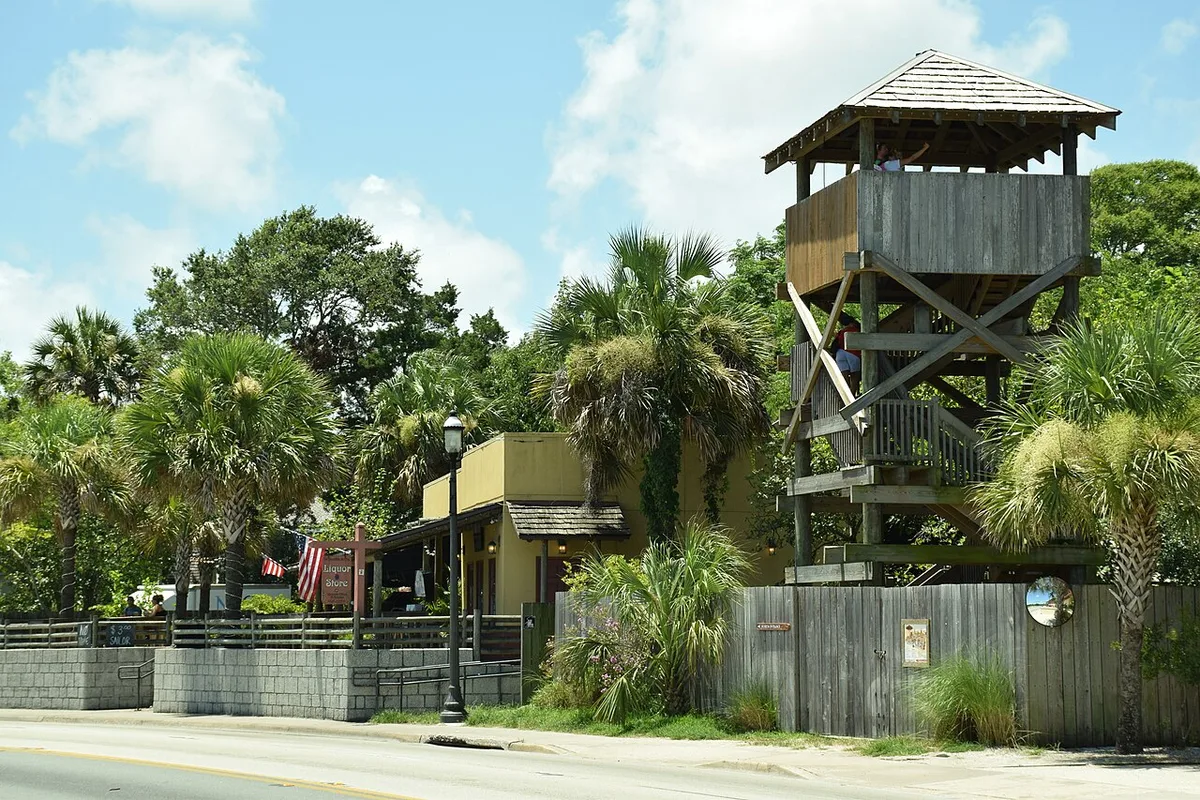
Historic Downtown: Best for a Car-Light First Visit
Stay in Historic Downtown when your priority is history, restaurants, and a short walk back after sightseeing. This area puts you closest to the Ancient City experience described by Florida's Historic Coast. It also keeps your planning simple if you follow a 2-day St. Augustine itinerary. The downside is practical, not atmospheric. Older inns may have smaller rooms, stairs, limited elevators, or tighter parking. Confirm those details before booking, especially if you have luggage, mobility needs, or a rental car.
St. Augustine Beach: Best for Families and Resort Amenities
Choose St. Augustine Beach when the beach is not a side trip. This is the better base for mornings on the sand, pool breaks, and casual meals near A1A. Guy Harvey Resort lists its address as 860 A1A Beach Blvd, which shows how beach lodging can center the trip around the coast. A beach stay still works for history-focused travelers, but you need to budget drive time. The Bridge of Lions factor matters most during weekends, holidays, and events. For activity planning beyond lodging, use this area with a things to do guide.
Vilano Beach: Best for a Quieter Coastal Base
Vilano Beach is the coastal choice for travelers who want a slower base than St. Augustine Beach. Cottages, beachfront rentals, and a quieter local feel define the area, with lodging that leans residential rather than resort-scale. Bayfront Marin House ties its Vilano cottages to the downtown inn experience, which helps explain the hybrid appeal: you can sleep near the Atlantic and still plan downtown time. Vilano also reaches the mainland by a different crossing than the beach areas on Anastasia Island — travelers here use the Vilano Bridge rather than the Bridge of Lions, so drive times to downtown depend on that separate route, not the one most beach-resort guides describe. This area is strongest when you have a car and do not need every meal within a short walk. Check current parking and beach-access details with the property before booking.
Uptown and North City: Best for Shoppers and Lighter Crowds
Uptown and North City make sense when you want to stay near the historic core without sleeping in the densest blocks. Antiques shops, boutique lodging, and walkable access toward Castillo de San Marcos define the area. That mix works well for travelers who want a quieter night but still value walkability. Booking here requires more map work than booking directly on St. George Street. A property can be technically close while still sitting farther from your preferred dinner area or tour meeting point.
Parking, Bridges, and Getting Around
Transportation should guide your lodging choice as much as room type. Downtown gives you the best park-once pattern, but parking can be scarce at historic inns. Beach lodging usually gives you easier car access, but every downtown visit adds driving and parking decisions. The Old Town Trolley connects Historic Downtown stops with routes toward the beach areas, and some resorts run their own shuttles — the Guy Harvey Outpost's beach bus shuttle is one example. Check current routes, stops, and operating status before building a full day around any shuttle.
Parking costs also vary by area, and this is where lodging choice and daily budget meet. Historic Downtown's main paid option is the city's downtown parking garage near the visitor information center, while side streets nearby offer metered or time-limited spots that fill fast on weekends and during Nights of Lights. Beach hotels generally offer more on-site or surface parking for guests, though public beach-access lots can charge separately during peak season. Confirm current garage and lot rates directly with the city or property, since posted prices change.
- Ask whether parking is reserved, first-come, off-site, or paid separately.
- Check whether your room is in a main building, annex, cottage, or separate rental.
- Plan extra time for the Bridge of Lions when staying at the beach.
- Avoid assuming every St. Augustine address is walkable to Historic Downtown.
When to Book Each Area
Season changes the best area to stay in St. Augustine. Nights of Lights runs from November through January, so Downtown becomes especially convenient for evening walks among the light displays. Beach hotels can work during that season too, but expect more traffic into the historic core as visitors drive in for the lights. Event calendars affect lodging demand well beyond the holidays: the St. Augustine Lions Seafood Festival draws crowds downtown, and the St. Augustine Amphitheatre — less than two miles from the beach hotels near A1A — hosts touring concerts throughout the year that can fill up beach-area rooms on show nights. For weather and crowd timing, compare neighborhoods with the best time to visit guide.
Mistakes to Avoid Before You Book
The biggest lodging mistake is choosing by hotel name alone. A property can use St. Augustine in its address while sitting far from the historic district or beach. Hotels near I-95 and S.R. 16 can sit about 15 miles from the core visitor zones despite using a St. Augustine address. Noise is the second common issue. A central Historic District room can be useful and loud on weekends. Beach stays create the opposite problem. You gain ocean access but lose easy car-free evenings. If you want to add nearby outings, choose a base that still leaves time for day trips from St. Augustine.
A group rental is not automatically easier than a hotel: downtown rentals can fit up to 6 guests, but older buildings, stairs, parking, and check-in rules still need the same scrutiny as historic inns.
How to Choose Your Final Hotel
Start with your first non-negotiable. Pick Downtown if walking to history beats room size. Pick St. Augustine Beach if sand, pools, and beach rentals drive the trip. Pick Vilano if you want a quieter cottage-style stay. Choose Uptown when you want shops and lighter crowds near the old city. Use S.R. 16 or I-95 when highway access matters more than atmosphere. Then check parking, stairs, elevators, cancellation terms, and exact address. Most resorts and many inns also publish posted cleanliness standards and flexible cancellation policies; confirm the current version directly with the property, especially around holiday weekends. Those details decide whether the area works in real life.
Vilano can be a middle path for couples choosing between beach quiet and downtown access: Bayfront's cottages are 2.2 miles from its main inn, so the stay can feel coastal without dropping downtown-linked perks completely.
Pet-Friendly St. Augustine Lodging: What to Check
Pet-friendly lodging is easiest to compare after you choose the area. St. Augustine Beach and Vilano Beach usually fit dogs better because walks, outdoor space, and car access are simpler. Historic Downtown can work, but narrow streets, crowds near St. George Street, and limited green space make the exact location more important.
Guy Harvey Resort lists dog-friendly rooms, which makes it a practical beach option for travelers who want A1A access. For cottage-style stays, Vilano Beach can be easier than a small downtown inn, especially if your pet needs quieter surroundings.
- Confirm pet fees, size limits, and breed rules before booking.
- Ask whether pets can be left unattended in the room.
- Check the walking route, not just the hotel address.
- Verify parking if you will drive between the beach and Historic Downtown.
For downtown stays, ask whether your room is in the main building, an annex, or an upper floor. Older inns may have stairs and tighter entryways.
Frequently Asked Questions
What is the best area to stay in St. Augustine for a first visit?
Historic Downtown is the best fit for most first-time visitors. You can walk to the core historic area, reduce driving, and plan around St. George Street and Matanzas Bay.
Is it better to stay downtown or at St. Augustine Beach?
Stay downtown for history, restaurants, and car-light sightseeing. Stay at St. Augustine Beach for sand, pools, A1A access, and resort-style amenities.
How far is St. Augustine Beach from the historic district?
Expect a typical 10-20 minute drive between the beach and the historic center. Peak season, event traffic, and bridge openings can make that longer.
Should you stay in Vilano Beach?
Vilano Beach is a good choice when you want a quieter coastal base. It works best if you have a car and do not need dense nightlife outside your door.
Are historic St. Augustine inns good for travelers with cars?
They can be, but parking needs careful checking. Some properties provide reserved parking, while others may have limited, off-site, or first-come arrangements.
Should you book near I-95 for a St. Augustine trip?
Book near I-95 when budget or highway access matters most. Avoid that area if your main goal is walking around Historic Downtown or spending full days at the beach.