

Best Time to Visit St. Augustine
Last updated August 2026. The best time to visit St. Augustine, the Ancient City on Florida's Atlantic coast, is usually March to May or October to November, when walking weather is easier and beach time still fits. Your best month changes if you care more about Nights of Lights, hotel prices, surfing, or quiet historic streets.
Quick Answer: The Best Time to Visit St. Augustine
Choose March to May for warm days, festivals, and long outdoor itineraries. Expect higher spring break demand in March and April. Choose October to November for lower crowd pressure, softer light along the Matanzas River, and easier walking conditions. December is best for Nights of Lights, but it is not a quiet winter escape. Summer works when your trip is beach-first, especially around Anastasia State Park, St. Augustine Beach, or Vilano Beach. Heat, humidity, and afternoon storms shape each day from June through August. September can be useful for budget travelers after Labor Day, but hurricane season means you should book with flexibility. If you are planning a first visit, use this seasonal guide with a St. Augustine weekend plan so your dates match your pace.
- Best overall balance: March to May and October to November.
- Best for lights and holiday atmosphere: December during Nights of Lights.
- Best for beach days: May to September.
- Best for lower prices: mid-January to early February or September after Labor Day.
- Best for history walks: October to April, when heat is less punishing.
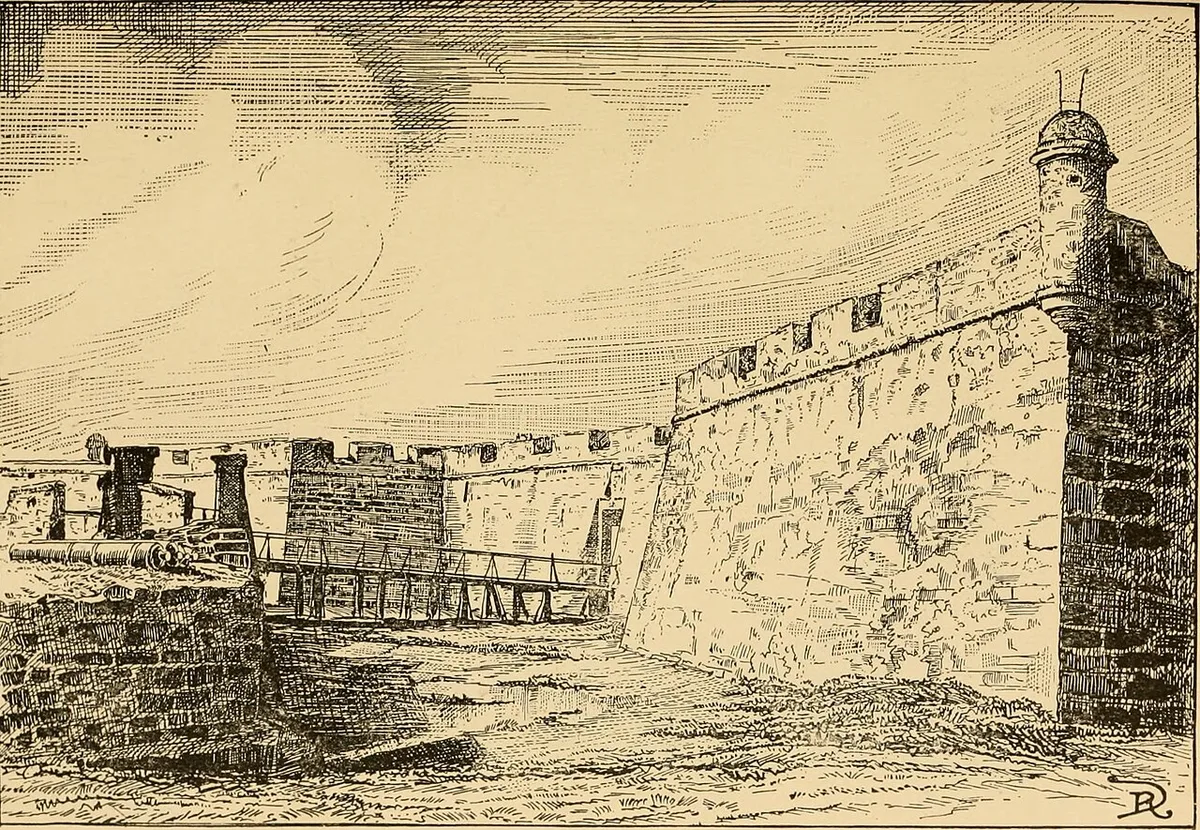
Season Comparison Table
Use this table to compare the practical tradeoffs before you book. Temperatures below are broad seasonal ranges, so check the current forecast before departure.
| Season | Typical Weather | Crowd Level | Best For | Booking Notes |
|---|---|---|---|---|
| Spring, March to May | About 21°C to 27°C (70°F to 80°F) | High, especially spring break | Festivals, walking tours, patios, first beach afternoons | Book earlier for March and April weekends. |
| Summer, June to August | About 27°C to 32°C+ (80°F to 90°F+), humid | Moderate to high | Beach days, surfing, Anastasia State Park, pool time | Plan morning history stops and afternoon storm buffers. |
| Fall, September to November | About 24°C to 29°C (75°F to 85°F) | Low to moderate | Photography, food-focused trips, lower-demand dates | Keep flexibility in September and October because hurricane season runs June to November. |
| Winter, December to February | About 7°C to 21°C (45°F to 70°F) | Very high in December, calmer later | Nights of Lights, museums, Castillo walks, cooler history days | Compare the same room across dates; a $150+ December weekend can make a $90 late-January weekday look much better. |
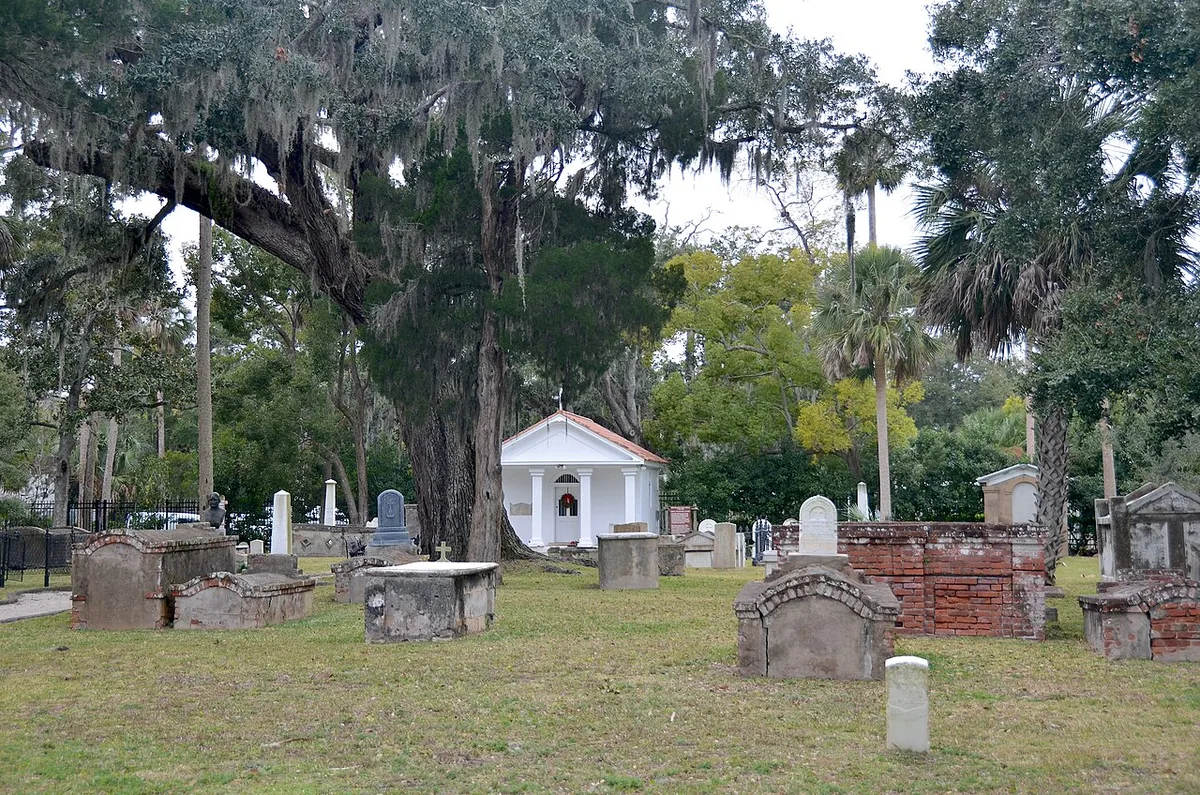
Spring in St. Augustine: March to May
Spring gives you the easiest all-around timing. Days warm from about 21°C (70°F) toward 27°C (80°F), while mornings can still feel comfortable for the historic district. This is the season for walking St. George Street, touring Spanish Colonial architecture, and pairing downtown time with a beach afternoon. St. Augustine's identity as the Ancient City -- a name tied to early Spanish exploration of Florida, including Ponce de León -- is easiest to appreciate on foot, when mild temperatures let you linger over facades and courtyards instead of rushing between air-conditioned stops. Spring break is the tradeoff. March and April can bring higher hotel demand and fuller sidewalks. If your trip falls on a weekend, start early and keep one flexible meal plan. Use spring for walking-heavy days from the main things to do list. Save beach time for later afternoon if the day warms quickly.
- Best spring months: April and May for warmer afternoons.
- Crowd caution: March and April can be busy because of spring break.
- Best daily rhythm: historic district in the morning, beach or boat time later.
- Good fit for: walking tours, outdoor dining, festivals, and first-time trips.
Summer in St. Augustine: June to August
Summer is not the easiest season for the historic district, but it works for beach-first travelers. Expect about 27°C to 32°C+ (80°F to 90°F+) with humidity. Afternoon thunderstorms are part of the planning reality. Start with outdoor history early, then shift toward water, shade, or indoor stops. Anastasia State Park, St. Augustine Beach, and Vilano Beach make more sense in this season than a full midday walking route. The ocean breeze helps, but it does not erase the heat on exposed streets. If your priority is Castillo de San Marcos, plan that visit outside the harshest part of the day. Check current conditions through Florida's Historic Coast before setting your final schedule.
- Best summer use: beach days, surfing, and pool-based stays.
- Hardest period: July and August because heat and humidity build together.
- Daily storm buffer: leave your late afternoon plan flexible.
- Booking angle: some travelers avoid the heat, so compare summer rates against spring and December.
Fall in St. Augustine: September to November
Fall is the strongest shoulder season when you want space, better light, and less pressure on popular streets. September can still feel hot, with about 24°C to 29°C (75°F to 85°F) in the broad seasonal range. October and November usually fit history walks better. The main caution is weather flexibility. Hurricane season runs from June through November, so September and October bookings should be easier to change. Fall is useful when you want food stops, photography, and a slower historic district pace. Golden hour along the Matanzas River is a strong reason to choose October. If you want a route after choosing dates, build it from a two-day St. Augustine itinerary.
- Best fall month: October for weather, photography, and walking comfort.
- Best budget window: September after Labor Day.
- Main risk: storm-season flexibility matters most in September and October.
- Best fit for: food trips, photography, quieter weekdays, and less rushed sightseeing.
Winter in St. Augustine: December to February
Winter needs a split answer. December is peak season because Nights of Lights draws heavy demand into the historic district. January and February can be calmer, especially after the holiday period. Daytime weather can range from about 7°C to 21°C (45°F to 70°F), so pack layers rather than beach-only clothing. February is worth considering for history, museums, and lower prices. It is not the right choice if swimming is your main goal. Nights of Lights usually runs from mid-November into January, but check current dates before booking. Visit Florida is a useful starting point for statewide trip planning.
December is the outlier in winter: it brings lights, crowds, and the kind of weekend pricing where $150+ is a caution point. For calmer walking days and better value, mid-January to early February fits the same cool-weather trip better.
- Best winter choice for events: December.
- Best winter choice for value: mid-January to early February.
- Packing note: bring layers for cooler mornings and ocean breeze.
- Crowd mistake to avoid: assuming December is quiet because it is winter.
Best Time for Budget Travelers
Budget travelers should compare mid-January to early February with September after Labor Day. These windows sit outside the most obvious demand spikes. December lights and March spring break can push prices higher, especially on weekends. Do not rely on a citywide average from another season. Compare the same hotel, room type, and cancellation policy across at least 3 dates. Use $150+ as a caution threshold for a December weekend room and about $90 as a value-check target for a late-January weekday room. These are practical booking anchors, not guaranteed rates. For lodging tradeoffs, match the date to the right stay area before you filter by price, then check the accommodation breakdown in the logistics section below.
- Cheapest likely timing: mid-January to early February.
- Second value window: September after Labor Day.
- Highest caution period: December weekends during Nights of Lights.
- Smart filter: compare refundable rates before nonrefundable discounts.
Best Time for Beaches and Nature
Pick May to September if beach time is the reason for your trip. Late spring gives you warmer afternoons without the deepest summer humidity. Summer gives you the clearest beach-first logic, especially if you stay near St. Augustine Beach or Vilano Beach. Historic sightseeing should move to morning in June, July, and August. For Anastasia State Park, check current park status before you go, because weather can affect beach and outdoor plans. September can still work for surfing and beach walks, but storm-season flexibility matters. If you want to add a nearby outing, choose options from St. Augustine day trips after checking the forecast.
- Best beach range: May through September.
- Best heat strategy: beach early, shade midday, dinner after storms pass.
- Best location match: beach rentals for sand-first trips, historic stays for museum-first trips.
- Storm-season note: keep September plans changeable.
Best Time for History, Culture, and Walking
Choose October through April if your trip centers on Castillo de San Marcos, St. George Street, museums, and long walks. Cooler air makes exposed stone, brick, and waterfront routes easier. Summer can still work, but it requires stricter timing. Start early and avoid turning the middle of the day into a long paved walk. Many historic attractions close by early evening, often around 5:00 PM, so the top item on your list should be handled before late afternoon rather than saved for after dinner. Check current hours for any must-see site before you build the day. For a compact first visit, put the most important timed attraction first.
- Best history range: October through April.
- Hardest history range: July and August midday.
- Planning rule: schedule your top historic stop before late afternoon.
- Best crowd tactic: use weekdays when possible in peak seasons.
Best Time for Events and Photography
December is the obvious photography month because Nights of Lights changes the historic district after dark. It also brings the toughest parking and crowd tradeoffs. October is better when you want softer daylight without the December crush. Spring festivals and the September Founders Day celebration are also worth building a trip around if your dates are flexible. Treat event dates as volatile until the current calendar confirms them. Weekday evenings can be easier than Saturday nights, especially during the lights period. If you must visit on a weekend, plan around parking before you plan dinner.
- Best lights month: December.
- Best lower-pressure photo month: October.
- Spring event watch: St. Augustine Lions Seafood Festival.
- September event watch: Founders Day.
- Peak crowd tactic: confirm park-and-ride shuttle details for Nights of Lights before arrival.
Crowds, Parking, and Getting Around by Season
Crowds change more by date and time than by season alone. December weekends, spring break dates, and major events can feel heavier than a normal summer weekday, and together they make up St. Augustine's peak tourist season. The historic district is dense and walkable, so parking pressure matters more there than near the Atlantic-facing beaches on Anastasia Island. During peak periods, consider Old Town Trolley or confirmed shuttle options instead of circling for a space. For Nights of Lights, check the current park-and-ride plan before you commit to a downtown dinner time. Weekdays help in every season. Early starts help even more.
For a December lights night, make the daytime plan do the heavy lifting: many historic stops may close around 5:00 PM, while parking pressure builds near sunset. Put Castillo or museum time first, then park once before dinner.
- Peak crowd periods: December, March, April, and major event weekends.
- Better crowd windows: January after holidays, February weekdays, and September weekdays.
- Historic district tactic: park once, then walk or use a trolley-style option.
- Beach tactic: separate beach days from downtown-heavy days.
Common Timing Mistakes to Avoid
The biggest mistake is treating St. Augustine as one simple season. Downtown history, beach days, and holiday lights all peak at different times. Do not assume winter means empty sidewalks. December can be one of the busiest periods because of Nights of Lights. Do not assume summer is bad for every trip. It can be useful when the beach is the main event. Also watch regional demand from nearby Daytona Bike Week, which can push hotel pressure north into St. Augustine when the events overlap. Check current event dates before booking nonrefundable lodging.
- Avoid July and August midday walking routes if heat bothers you.
- Avoid December weekends if you want quiet streets.
- Avoid September nonrefundable bookings if storm risk would ruin the trip.
- Avoid building a full evening around attractions without checking current closing times.
Where to Stay by Season: Historic District vs. Beach Rentals
Your best home base changes with the season more than most guides admit. St. Johns County stretches from the historic downtown core out to the Atlantic Ocean beaches, and the right side of town depends on whether your days are built around walking or swimming. A historic district inn or small hotel near St. George Street keeps Castillo de San Marcos, the Plaza de la Constitucion, and the Bridge of Lions within a short walk, which matters most in spring, fall, and during Nights of Lights.
A beach rental near St. Augustine Beach, Vilano Beach, or Anastasia State Park makes more sense from late spring through summer, when the daily plan revolves around sand and surf rather than cobblestone streets. You give up walking-distance access to the Castillo and St. George Street, but you gain quieter evenings and easier parking than downtown sees during peak weekends.
December complicates the choice. A historic district stay puts Nights of Lights within walking distance after dark, which is valuable once weekend parking near St. George Street tightens. A beach rental trades that convenience for a calmer overnight base, with a short drive back downtown for the lights. Either way, check the St. Augustine stay guide for specific neighborhoods, and lean on the Old Town Trolley or a park-and-ride shuttle to avoid circling for downtown parking during peak season.
- Historic district base: best for spring, fall, and Nights of Lights trips built around walking.
- Beach rental base: best for late spring through summer trips built around the water.
- December tradeoff: downtown convenience for the lights versus a quieter beach-side stay.
- Getting around: Old Town Trolley or a confirmed park-and-ride option beats hunting for downtown parking.
Month-by-Month Timing Guide
Use this quick guide after you decide what kind of trip you want. January and February suit history, museums, and lower pressure. March and April bring strong walking weather with spring break crowds. May is a good bridge month for both beach time and outdoor sightseeing. June through August should be beach-led and heat-aware. September can be cheaper and quieter, but flexibility matters. October and November are strong all-around months. December is best for lights, not solitude.
- January: cooler, calmer after holidays, useful for lower rates.
- February: good for history trips, less ideal for swimming.
- March: warmer, busier, spring break pressure begins.
- April: strong weather, high demand on key weekends.
- May: warm enough for beaches, still easier than deep summer.
- June: summer pattern begins, with heat and storm buffers.
- July: hot, humid, best for beach-first schedules.
- August: hot and storm-prone, but useful for water-focused trips.
- September: quieter after Labor Day, with hurricane-season caution.
- October: one of the best months for photos and walking.
- November: cooler, practical, and good before peak holiday demand.
- December: lights, events, crowds, and higher planning pressure.
How to Handle Nights of Lights Parking
Nights of Lights changes the best time to visit St. Augustine because the hardest part is often arrival, not weather. The busiest pressure builds around the Historic District, St. George Street, the Plaza de la Constitucion, and the Bridge of Lions.
If you visit on a December weekend, treat parking as part of the itinerary. Arrive before sunset, use the Historic Downtown Parking Facility when space is available, or confirm the city’s park-and-ride shuttle plan before dinner reservations.
- Best crowd tactic: choose a weekday evening instead of Saturday.
- Best walking base: stay near the bayfront, St. George Street, or Avenida Menendez.
- Best timing: see Castillo de San Marcos or museums earlier, then save the lights for after dusk.
Do not plan to drive repeatedly through downtown once streets are crowded. Park once, walk the compact core, and leave extra time if your route crosses the Bridge of Lions toward Anastasia Island.
Frequently Asked Questions
What is the overall best month to visit St. Augustine?
October is the strongest single-month choice for many travelers. You get fall weather, lower crowd pressure than spring break, and better conditions for photography.
Is February a good time to visit St. Augustine?
Yes, February works well for history, museums, walking tours, and lower-demand lodging dates. It is not the best month if swimming is your main goal.
When is St. Augustine most crowded?
December is very crowded during Nights of Lights, especially on weekends. March and April can also be busy because of spring break.
When is hurricane season in St. Augustine?
Florida's hurricane season runs June through November. September and October need the most flexible booking approach.
What is the best time for the beach in St. Augustine?
May through September is best for beach-focused trips. Plan around heat, humidity, and afternoon storms in June, July, and August.
When should I avoid St. Augustine?
Avoid December weekends if you dislike crowds and parking pressure. Avoid July and August midday sightseeing if heat makes walking difficult.