
Monterey 2 Day Itinerary for Aquarium Time, 17-Mile Drive, Carmel, and Big Sur
Last updated August 2026, this Monterey 2 day itinerary gives you a realistic 48-hour route through Cannery Row, Monterey Bay Aquarium, 17-Mile Drive, Carmel-by-the-Sea, and the Big Sur coast. You will use Monterey as the practical base, then split your time between bayfront walks, marine life, scenic driving, and one focused Highway 1 outing. Build the trip around fog, parking pressure, and road checks, because those details decide how smooth the weekend feels.
At a Glance: The Perfect 48 Hours in Monterey
Two days work best when you keep Day 1 close to Monterey Bay and save Day 2 for the coast south of town. That order protects aquarium time, avoids a rushed 17-Mile Drive, and gives Point Lobos the early parking window it needs. See Monterey is the best starting point for broad trip planning before you lock hotels and restaurants.
- Day 1: Start with Monterey Bay Aquarium, walk Cannery Row, choose Old Fisherman’s Wharf or Alvarado Street for food, then drive 17-Mile Drive.
- Day 2: Reach Point Lobos before 9:00 AM, continue toward Bixby Creek Bridge and Garrapata State Park, then finish in Carmel-by-the-Sea.
- Best for families: Aquarium time, sea otter viewing, short waterfront walks, and flexible dinner choices near Cannery Row.
- Best for couples: 17-Mile Drive, Spanish Bay, Carmel courtyards, and a slower sunset plan at Carmel Beach.
- Best for photographers: Bixby Creek Bridge, Bird Rock, Lone Cypress, Point Lobos trails, and fog lifting over the coast.
Essential Logistics Before You Start
A car makes this itinerary work. Monterey Bay Aquarium, Cannery Row, and Old Fisherman’s Wharf can be paired on foot, but 17-Mile Drive, Point Lobos, and Big Sur need wheels. Driving south from San Francisco takes about 2 hours in normal conditions. Highway 1, also called the Pacific Coast Highway or PCH, adds coastal stops and scenery, while U.S. 101 usually keeps the drive more direct if you just want to get there. Flying into Monterey Regional Airport can cut that road time, but you still need a rental car once you land, since Day 2 does not work without one. Pack layers: coastal temperatures typically run in the 50-75°F range, and a summer marine layer can linger into the afternoon and change how a viewpoint photographs. For wider timing context, compare this plan with the 9 Smart Ways to Plan a Monterey Weekend Getaway guide.
- Use Monterey, Cannery Row, Pacific Grove, or Carmel-by-the-Sea as your base.
- Check Highway 1 conditions before committing to any Big Sur stop beyond Bixby Creek Bridge.
- Pre-book aquarium entry online before you arrive; timed-entry reservations have been standard practice in recent years, so confirm current policy when you buy tickets.
- Treat Point Lobos parking as the tightest morning constraint.
- Keep a fog backup plan for beaches, viewpoints, and photo stops.
Day 1 of Your Monterey 2 Day Itinerary: Aquarium, Cannery Row, and 17-Mile Drive
Day 1 stays near the bay until the afternoon. That keeps your first half of the trip walkable and avoids starting with a long coastal drive. Begin at Monterey Bay Aquarium on Cannery Row, then leave time for nearby food and a waterfront walk. The aquarium runs nearly 200 exhibits, houses more than 81,000 animals and plants across 771 species, and draws roughly 80% of that collection from California waters, so it rewards a slow, focused visit rather than a rushed pass-through. After lunch, shift into scenic-drive mode and follow 17-Mile Drive through Pebble Beach. Key stops along the route include Lone Cypress, Spanish Bay, and Bird Rock. If you want more options before choosing what to skip, use the things to do guide as your overflow list.
- Morning: Arrive at Monterey Bay Aquarium early and keep the visit focused. Prioritize the Kelp Forest, local marine life exhibits, and sea otter viewing if those are operating during your visit.
- Late morning: Walk Cannery Row after the aquarium. Stay close to the water so you avoid moving the car too often.
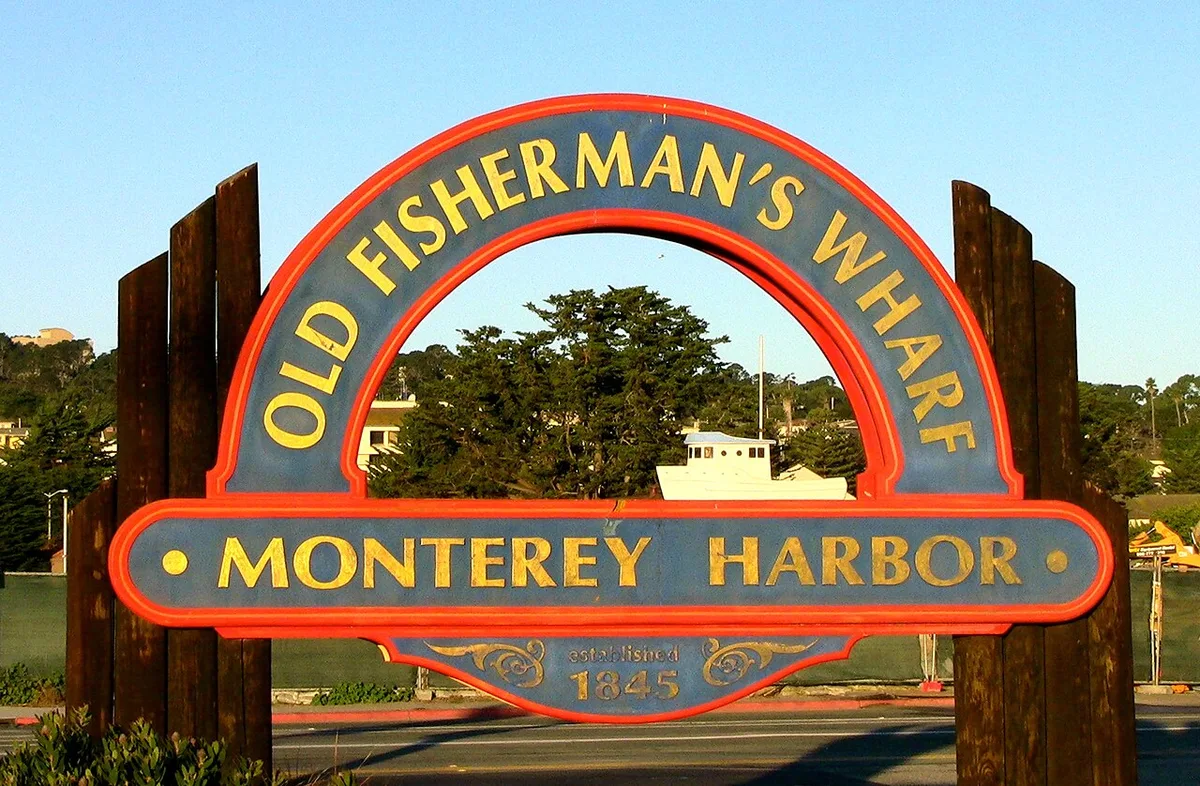
- Lunch: Choose Cannery Row for convenience or Old Fisherman’s Wharf for seafood restaurants, souvenir shops, and whale-watching tour activity.
- Early afternoon: Stop near Coast Guard Pier if access and conditions allow. Sea lions, sea otters, pelicans, and other seabirds are common around this working pier, and it is one of the few Monterey wildlife-viewing spots that needs no tour or ticket.
- Mid-afternoon: Enter 17-Mile Drive and give yourself time for Lone Cypress, Spanish Bay, Bird Rock, and Pebble Beach viewpoints.
- Sunset: End near Lovers Point Park or Spanish Bay. Spanish Bay is the better fit if you want the bagpiper timing, but confirm current details before planning dinner around it.
- Evening: Eat around Alvarado Street or Downtown Monterey if you want to park once and walk between restaurants.
Day 2: Point Lobos, Big Sur, and Carmel-by-the-Sea
Day 2 is the coast day, so start earlier than feels necessary. Point Lobos State Natural Reserve is the first stop, and arriving before 9:00 AM is the single move that protects your morning from parking stress. After Point Lobos, keep Big Sur realistic. A focused mini-loop to Garrapata State Park and Bixby Creek Bridge gives you cliff views without betting the whole day on uncertain Highway 1 access. Big Sur's northern stretch runs about 40 minutes from Monterey by car, but road closures can extend that or cut it off entirely. Check conditions before heading south, then turn around when the drive stops feeling efficient. Finish with Carmel-by-the-Sea and Carmel Beach, because those stops fit better in late afternoon than a rushed early morning.
- Early morning: Leave Monterey in time to reach Point Lobos before 9:00 AM. Use the first available legal parking option instead of circling too long.
- Morning walk: Choose one or two Point Lobos trails. Bird Island Trail and China Cove are short, high-value options, with China Cove's emerald-green water tucked between eroding cliffs at the end of the walk.
- Late morning: Continue south only after checking Highway 1 access. Skip distant Big Sur stops if closures or delays make the return uncertain.
- Midday: Stop at Garrapata State Park bluffs if conditions make the pullouts practical and safe.
- Photo stop: Use Bixby Creek Bridge as the main Big Sur landmark. Fans of Big Little Lies often recognize this bridge from the show’s Monterey-area imagery.
- Afternoon: Return north for Carmel-by-the-Sea. Walk courtyards, cottage-lined streets, and the central shopping area without overloading the schedule.
- Sunset: End at Carmel Beach if weather cooperates. The beach has a reputation as dog-friendly and bonfire-friendly, but check current local rules before planning around either.
Foggy vs. Sunny Backup Plan
Monterey rewards flexibility because the marine layer can change the whole mood of a day. Fog does not ruin the itinerary, but it should change the order. Aquarium time, Cannery Row, Old Fisherman’s Wharf, and Alvarado Street work well when visibility is low. Scenic overlooks, bridge photos, and beach sunsets are better when the marine layer lifts. Visit California can help with broader seasonal planning, but local day-of weather still matters most here.
If fog hides viewpoints early, use the indoor bayfront stops first, but keep Point Lobos in mind: arriving before 9:00 AM is the timing rule that protects the coastal day from parking stress.
| Condition | Best move | What to delay |
|---|---|---|
| Morning fog | Start indoors at Monterey Bay Aquarium or linger on Cannery Row. | Delay 17-Mile Drive viewpoints until afternoon. |
| Clear morning | Move fast to Point Lobos or Bixby Creek Bridge. | Save shopping streets and wharf time for later. |
| Windy coast | Keep walks short and use car-based viewpoints. | Skip long exposed bluff walks. |
| Road uncertainty | Limit Day 2 to Point Lobos, Garrapata, and Carmel. | Avoid deeper Big Sur targets. |
Where to Stay for This Route
Pick your base around the part of the trip you care about most. Monterey and Cannery Row reduce friction for the aquarium and bayfront walks. Pacific Grove fits quieter coastal mornings and easy access to Lovers Point Park. Carmel-by-the-Sea gives you the easiest evening after Point Lobos and Big Sur, but it can feel less convenient for aquarium-first families. For a deeper hotel-area breakdown, compare neighborhoods in the where to stay guide before booking.
Families planning aquarium time before 17-Mile Drive will usually have less backtracking from Monterey or Cannery Row. Carmel works better when the priority is a softer Day 2 ending after the coast.
| Base | Best for | Trade-off |
|---|---|---|
| Monterey or Cannery Row | Families, aquarium access, short walks, and first-time visitors. | Tourist traffic can feel heavier near peak dining times. |
| Pacific Grove | Quiet coastal walks, Lovers Point Park, and a slower morning pace. | You may drive more for dinner and Day 2 departures. |
| Carmel-by-the-Sea | Couples, restaurants, courtyards, and a strong Day 2 finish. | Aquarium access is less direct than staying in Monterey. |
Narrowed down to the two most-asked-about bases, the choice usually comes down to price, walkability, and charm rather than distance, since Monterey and Carmel-by-the-Sea sit close enough together that either works as a base for this route. Monterey carries the wider price range, from budget-friendly inns to beachfront hotels, which makes it the more flexible pick if lodging cost is your main constraint. Carmel leans upscale and boutique, with fewer chain options, so it suits travelers who have already decided that atmosphere matters more than price. Both are walkable once parked, but Carmel's compact, cottage-lined grid rewards wandering on foot more than Monterey's spread-out waterfront does.
| Factor | Monterey | Carmel-by-the-Sea |
|---|---|---|
| Price | Widest range, from budget inns to beachfront hotels. | Generally higher, with fewer budget options. |
| Walkability | Good near Cannery Row; more spread out elsewhere. | Very compact; courtyards and shops cluster tightly. |
| Charm | Working-waterfront and aquarium-town character. | Storybook cottages and a quieter, upscale mood. |
Budget and 2026 Cost Trade-Offs
This itinerary has several paid moments, but the biggest cost swing usually comes from lodging and aquarium tickets. Check the aquarium's website directly for current ticket pricing before you purchase, since admission tiers change more often than gate fees. 17-Mile Drive charges $12.25 per vehicle, Point Lobos charges $10 per vehicle, and Pebble Beach Resorts has historically reimbursed the 17-Mile Drive fee with a $35+ restaurant purchase. Treat all three as planning figures and confirm current posted rates before you go, since park and gate fees are revised without much notice. For season-specific trade-offs, use the best time to visit guide before locking dates.
| Cost | Planning figure | How to use it |
|---|---|---|
| 17-Mile Drive gate fee | $12.25 per vehicle | Best value when you visit several stops instead of driving through quickly. |
| Point Lobos vehicle entry | $10 per vehicle | Worth prioritizing early because parking pressure shapes the whole morning. |
| Pebble Beach restaurant reimbursement threshold | $35+ purchase | Confirm the reimbursement policy is still active before counting on it. |
| Aquarium admission | Check current ticket ranges before booking | Often the largest attraction cost in this 2-day plan. |
Big Sur Reality Check for a Two-Day Trip
A Monterey weekend should not depend on reaching every famous Big Sur stop. Landslides and repairs interrupt Highway 1 on a regular basis, and access south of Bixby Creek Bridge can change with little warning. Check Caltrans for current Highway 1 conditions the morning you plan to drive, not the night before, since status can shift overnight. Build the day around Point Lobos, Garrapata State Park, and Bixby Creek Bridge first. Add deeper stops only when official road conditions support them. McWay Falls belongs in the maybe category unless access and timing both work. For more ways to extend the route, compare the day trips guide after your core itinerary is set.
- Do not save Point Lobos for late afternoon if parking is important to you.
- Do not drive south without checking Highway 1 conditions that morning.
- Do not treat McWay Falls as guaranteed when access is unclear.
- Do keep Carmel-by-the-Sea as your flexible late-day fallback.
- Do use Bixby Creek Bridge as the natural turnaround point when delays build.
Big Little Lies Stops Without Derailing the Weekend
Fans of Big Little Lies can work in a few recognizable Monterey-area references without turning the itinerary into a filming-location chase. Bixby Creek Bridge fits naturally into Day 2. Paluca Trattoria is the specific show-related stop fans look for, so pair it with Old Fisherman’s Wharf if current restaurant status fits your meal plan. Keep the show angle secondary, because the best route still depends on parking, fog, and road access.
- Bixby Creek Bridge: Add it to the Day 2 coast route when Highway 1 conditions allow.
- Paluca Trattoria: Pair it with Old Fisherman’s Wharf if you want a show-linked meal stop.
- Monterey Bay views: Use Cannery Row and the wharf area for a low-effort TV-reference walk.
- Carmel Beach: Keep it as a sunset finish rather than a rushed midday detour.
Final Timing Tips for a Smooth 48 Hours
Avoid making the two days too symmetrical. Day 1 should be a structured Monterey day with one paid indoor anchor and one scenic drive. Day 2 should be an early-start coast day with a flexible turnaround. That rhythm keeps the trip from becoming a checklist. It also leaves room for fog, road conditions, and dinner timing. If you arrive from San Francisco, consider adding Pigeon Point Lighthouse only as a northbound or southbound road-trip stop. It sits about 1 hour north of Monterey, which makes it a reasonable drive-day waypoint but not a stop worth carving time out of your core Monterey schedule for.
- Book lodging before finalizing restaurant plans, because your base changes the evening route.
- Put the aquarium before 17-Mile Drive if you are traveling with kids.
- Put Point Lobos before Big Sur if you want the least parking stress.
- Keep one dinner unreserved if you are sensitive to fog delays or road changes.
- Use Carmel-by-the-Sea as the Day 2 buffer when Highway 1 becomes too slow.
When to Add Whale Watching
Whale watching can fit this Monterey 2 day itinerary, but it should replace something rather than sit on top of everything. Most trips leave from Old Fisherman’s Wharf, so the easiest window is Day 1 after the aquarium. That works best if you skip a long Cannery Row lunch or shorten 17-Mile Drive.
Monterey Bay is known for year-round marine life, but the species change by season. Gray whales are the classic winter and spring migration sighting. Humpback whales are more common from spring into fall, when feeding activity often brings them closer to the bay. Blue whales are less predictable and usually require the right summer conditions.
- Best itinerary slot: Day 1 midday or early afternoon from Old Fisherman’s Wharf.
- What to protect: sunset time at Spanish Bay, Lovers Point, or Carmel Beach.
- What to check: sea conditions, trip length, cancellation rules, and motion-sickness needs.
If the marine layer is thick, a boat trip may still be worthwhile. For photographers, clear afternoon light usually gives better coastline views on the return.
Frequently Asked Questions
Is 2 days enough for Monterey?
Yes, 2 days are enough for Monterey if you stay focused. Spend Day 1 around the aquarium, Cannery Row, and 17-Mile Drive. Use Day 2 for Point Lobos, a short Big Sur drive, and Carmel-by-the-Sea.
Do you need a car for this Monterey 2 day itinerary?
Yes, a car is strongly recommended. Cannery Row and the aquarium are walkable once parked. Point Lobos, 17-Mile Drive, Carmel, and Big Sur are much easier by car.
Should you stay in Monterey or Carmel for two days?
Stay in Monterey if aquarium access and easier logistics matter most. Stay in Carmel if restaurants, beach sunset time, and a softer Day 2 finish matter more. Pacific Grove works well for quieter coastal walks.
How much should you budget for attractions?
Plan on $12.25 per vehicle for 17-Mile Drive and $10 per vehicle for Point Lobos, and confirm both before you go since gate fees change. Check current aquarium admission before booking. Lodging and meals will usually shape the final budget more than scenic stops.
Can you visit Big Sur on a 2-day Monterey trip?
Yes, but keep Big Sur limited. Point Lobos, Garrapata State Park, and Bixby Creek Bridge fit better than a long southbound push. Check Highway 1 conditions before leaving Monterey.
What happens if Monterey is foggy?
Use foggy hours for Monterey Bay Aquarium, Cannery Row, Old Fisherman’s Wharf, or Alvarado Street. Save 17-Mile Drive, Bixby Creek Bridge, and beach sunset plans for clearer windows.


