Practical Tips for Visiting Carmel-by-the-Sea
Last updated August 2026, practical tips for visiting Carmel-by-the-Sea start with three logistics questions first-timers ask. Where do you park, how does the no-address system work, and how fast can a hotel bill climb past $1,000 a night? Cottages and cypress trees line the village's numberless streets, and parking limits, midweek closures, and a persistent morning marine layer all take planning to work around.
Fast Answers: Practical Tips for Visiting Carmel-by-the-Sea
First-time visitors run into the same three snags in Carmel-by-the-Sea: parking, addresses, and cost. The village runs on metered street parking and a handful of public lots, none of which take reservations. Businesses use cross-streets instead of numbers, so GPS directions can point to the wrong block. Village lodging starts around $300 a night and climbs quickly near Ocean Avenue.
- Parking: metered spots line Ocean Avenue; arrive before 10am on weekends or expect a search
- Addresses: businesses use cross-streets, not numbers — GPS apps can mislead near the village core
- Budget: village inns run roughly $300–$600 a night; Monterey or Pacific Grove stays run about 40% less
Getting to Carmel-by-the-Sea: Airport and Drive-Time Logistics
Getting to Carmel-by-the-Sea starts with an airport choice. Monterey Regional Airport, 10 minutes from the village, offers the shortest transfer of the three options. Flight choices there are limited, and fares often run higher for the convenience. San Jose Mineta International Airport sits roughly 90 minutes south by car and generally gives the better balance of flight choice and drive time. San Francisco International offers the widest flight selection but the longest drive, so budget extra hours for Highway 101 or Highway 1 traffic. Inside the walkable village, a rental car is optional; Big Sur, Point Lobos, and Carmel Valley all require one. Full driving directions, including which highway exits to use, are covered in the guide to getting to Carmel-by-the-Sea.
| Airport | Drive Time to Carmel | Practical Note |
|---|---|---|
| MRY (Monterey Regional) | ~10 minutes | Closest option; smaller carrier selection and higher fares |
| SJC (San Jose Mineta) | ~90 minutes | Best balance of flight choice and drive time |
| SFO (San Francisco Intl) | Longest of the three | Widest flight selection; budget extra hours for Highway 101/1 traffic |
Finding Your Way: Carmel's No-Address System
Carmel-by-the-Sea has never assigned street numbers to its buildings, a policy explained on the official Visit Carmel site. Locations are described by their nearest cross-streets instead, such as Ocean Avenue and Lincoln Street. The village also has no home mail delivery; residents collect mail at the post office rather than a street box. Save the closest intersection for each stop before arriving, since mapping apps can misplace an address that does not exist.
When to Go: Marine Layer Mornings and Midweek Closures
Temperatures in Carmel-by-the-Sea hold fairly steady between 60°F and 70°F most of the year. California's Central Coast climate keeps mornings cool and hazy, according to Visit California. A marine layer typically blankets the coast until late morning, even in July, so pack a jacket regardless of season. Weekends bring the heaviest visitor traffic, which makes reservations and parking harder to secure. Many restaurants and tasting rooms close on Mondays and Tuesdays, catching visitors who arrive expecting weekday hours. A midweek arrival, Wednesday through Saturday morning, tends to balance open businesses against smaller crowds. For a fuller seasonal breakdown, see the best time to visit Carmel-by-the-Sea guide. Festival weekends bring the tightest reservations and busiest sidewalks, detailed in the Carmel-by-the-Sea festivals and events calendar.
A Wednesday arrival helps with open businesses, but Saturdays still need an early parking plan: arrive before 10am. Pair afternoon outdoor plans with dinner bookings made ahead, since fog, crowds, and restaurant demand stack on the same weekends.
Budgeting the Trip: Where to Save and What to Expect
Lodging is the biggest line item in a Carmel-by-the-Sea budget, and costs vary sharply by neighborhood. Neighborhood-by-neighborhood price tiers appear in the where to stay in Carmel-by-the-Sea guide. For dining, a self-guided Wine Walk through village tasting rooms costs far less than a multi-course dinner at a destination restaurant. Check current rates before visiting, since the 17-Mile Drive gate fee and lodging prices both shift year to year. For a complete short-trip budget plan, start with the Carmel-by-the-Sea weekend getaway guide.
Saving on a Monterey or Pacific Grove room can offset car-dependent side trips, but the village still has small unavoidable add-ons. The 17-Mile Drive gate fee is $12 per vehicle, while Big Sur, Point Lobos, and Carmel Valley all require wheels.
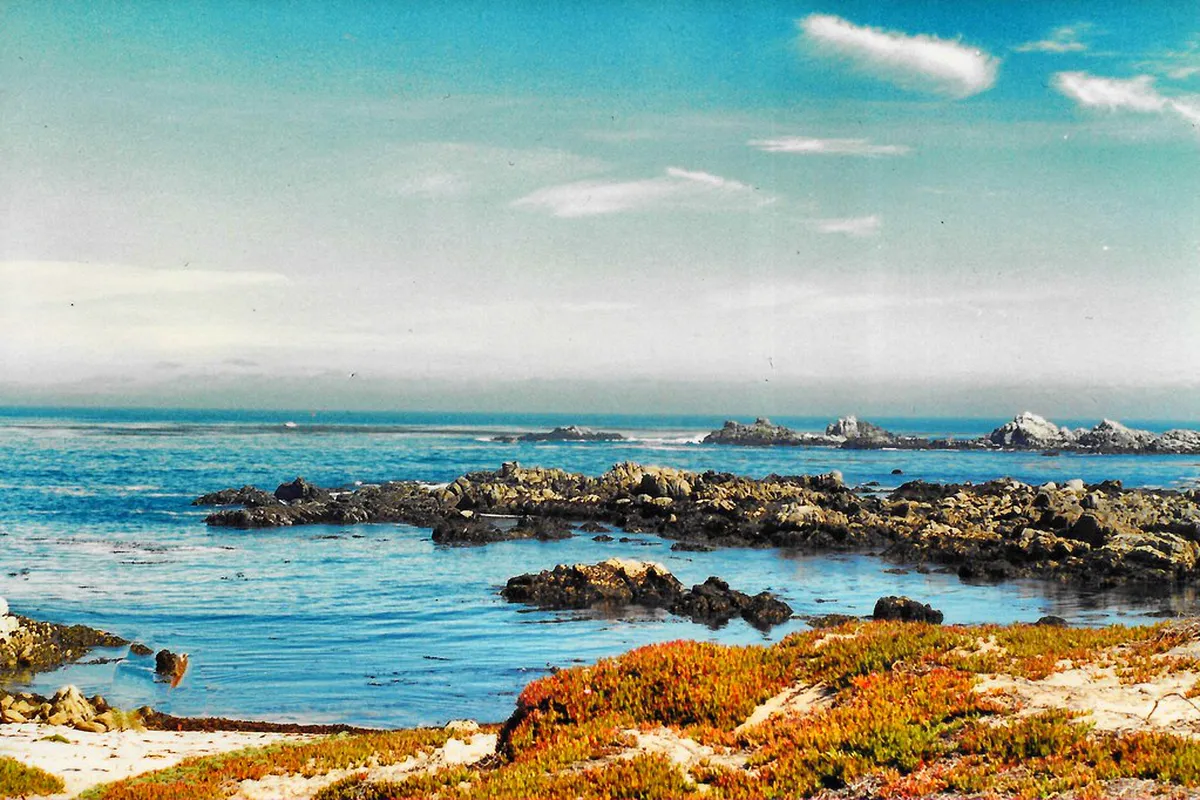
- Village boutique inns: roughly $300–$600 a night as of 2026
- Monterey or Pacific Grove stays: about 40% less than village rates
- Big Sur resorts such as Post Ranch Inn: often near $1,200 a night
- 17-Mile Drive gate fee: $12 per vehicle, reimbursed with a $35 purchase at Pebble Beach Resorts properties
Carmel-by-the-Sea vs. Carmel Valley: Choosing Your Base
Carmel-by-the-Sea and Carmel Valley solve different trips. The village is compact and walkable, with beach access a few blocks from most hotels, but mornings run foggier and rooms cost more. Carmel Valley sits inland, runs noticeably warmer, and centers on wine-tasting rooms rather than sand. Reaching the valley's wineries requires a car, a route detailed in the day trips from Carmel-by-the-Sea guide.
Essential Packing and Local Etiquette
Pack layers no matter the season, since Carmel-by-the-Sea's marine layer keeps mornings cooler than the daytime high suggests. Carmel-by-the-Sea's municipal code has long required a free permit for heels higher than two inches, a legacy rule still referenced on the official Visit Carmel site. Enforcement is rare today, but flat shoes or wedges are the more practical choice on the village's uneven sidewalks and sandy paths. Dogs are welcome at most sidewalk cafes and on Carmel Beach, a highlight covered in the things to do in Carmel-by-the-Sea guide. Bring a leash and waste bags regardless, since off-leash rules vary by stretch of sand. Dress code around the village runs casual but neat; beachwear works for the sand, not for dinner at a white-tablecloth restaurant.
Common Planning Mistakes to Avoid
A few recurring mistakes trip up first-time visitors. Reservation timing and current hours are covered in the Carmel-by-the-Sea food and restaurants guide.
- Circling Ocean Avenue for street parking on a Saturday afternoon instead of heading straight to a public lot
- Skipping dinner reservations at popular spots like Casanova or Seventh & Dolores, which can fill two to four weeks out
- Packing only summer clothes, since July mornings often sit in the 50s under the marine layer
- Arriving Monday or Tuesday without checking hours first, since many restaurants and tasting rooms close early in the week
Sample Itinerary Scenarios: Day Trip vs. Weekend
A day trip from the Bay Area works best with an early departure, since the drive alone can take two hours or more each way. Prioritize one or two fixed points, such as Ocean Avenue shopping and Carmel Beach, rather than trying to cover the whole village. Weekend visitors have more room to add Point Lobos, a Carmel Valley wine-tasting afternoon, or a short Big Sur drive to Bixby Bridge. Hour-by-hour plans for either pace are mapped out in the Carmel-by-the-Sea two-day itinerary.
Where to Park Once You Arrive
Parking deserves its own plan because the village is compact but busy. Ocean Avenue is convenient for shops and restaurants, yet it is the first place weekend visitors circle. Use it only for a quick stop or an early arrival.
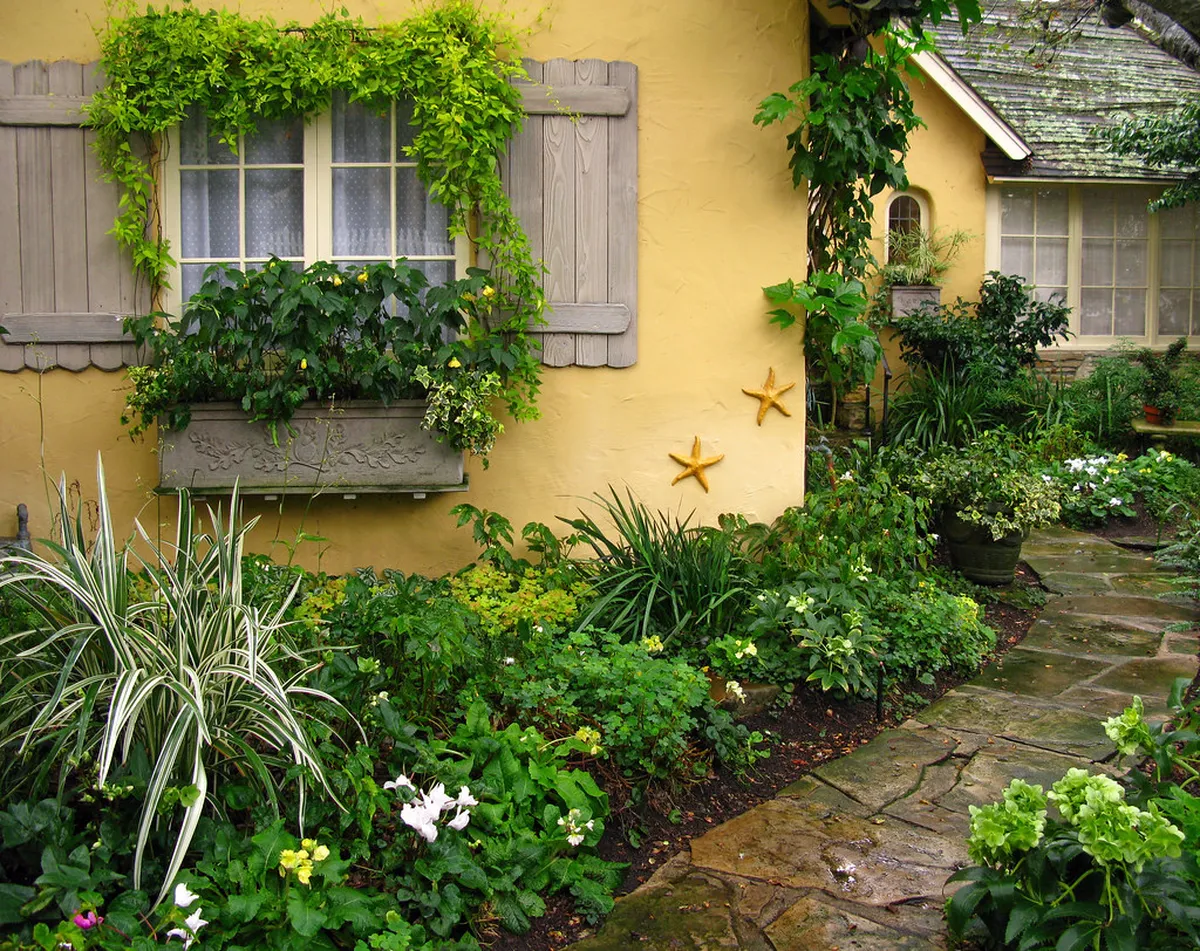
For a longer visit, aim for a public lot before walking into the village core. Vista Lobos Parking Lot sits near Torres Street between Third and Fourth, north of Ocean Avenue. The Sunset Center area, around San Carlos Street and Ninth Avenue, can work well for the south side of town. The Ocean Avenue and Del Mar lot is useful for Carmel Beach, but overnight restrictions apply.
- Arrive before 10am on Saturdays and holiday weekends.
- Read posted time limits before leaving the car.
- Leave oversized vehicles outside the tight village core.
If you plan dinner after a beach walk, move the car before sunset rather than assuming the same spot will work all evening.
Frequently Asked Questions
Do you need a permit to wear high heels in Carmel-by-the-Sea?
Carmel-by-the-Sea's municipal code has long required a free permit for heels over two inches on uneven sidewalks. Officials rarely enforce it today, but flats or wedges remain the more practical choice for cobbled paths and beach access.
How do you find a business with no street address in Carmel-by-the-Sea?
Locations are given by cross-streets, such as Ocean Avenue and Lincoln Street, rather than numbers. Save the nearest intersection before arriving, since GPS apps sometimes misplace numberless addresses in the village core.
Is Carmel-by-the-Sea walkable, or do you need a car?
The village itself is compact and walkable, with shops and restaurants clustered around Ocean Avenue. A car becomes necessary for Big Sur, Point Lobos, or Carmel Valley's wine-tasting rooms.
What's the best way to avoid Carmel's morning fog?
Plan outdoor activities for afternoon, once the marine layer typically burns off. Fall visits tend to bring more consistently clear mornings than midsummer.
Is Carmel-by-the-Sea or Carmel Valley better for a beach-focused trip?
Carmel-by-the-Sea sits directly on the coast with walkable beach access. Carmel Valley sits inland, runs warmer, and centers on wineries rather than sand.