
15 Best Things to Do in Astoria Oregon for a Weekend Trip
The best things to do in Astoria, Oregon fall into five clusters: hilltop viewpoints (the Astoria Column, the Astoria-Megler Bridge), film-tourism stops (the Oregon Film Museum, the Goonies house), riverfront museums (Columbia River Maritime Museum, Flavel House), a walkable downtown-and-brewery scene, and outdoor detours to Fort Stevens and Cape Disappointment. Sequence them by weather and whether you have a car, and the whole list fits a single busy day or a relaxed weekend.
Updated for 2026, this guide covers costs, parking, and film-site etiquette. Before you leave, check Travel Astoria and Travel Oregon for visitor updates and statewide travel alerts.
15 Best Things to Do in Astoria Oregon
Astoria rewards a route that starts with its high viewpoints, drops into downtown, then follows the Columbia River waterfront. A car helps for Coxcomb Hill, Fort Stevens, Fort Clatsop, and the Washington-side parks. Downtown, the Riverwalk, the trolley, museums, breweries, and several food stops can work without constant driving. For a fuller base plan, pair this list with the Astoria weekend guide.
- 1. Climb the Astoria Column
- Start at the Astoria Column if the sky is clear. The 125-foot tower sits on Coxcomb Hill and has a 164-step spiral climb.
- Budget around $5 for the annual parking pass. The gift shop tradition is to buy a $1 wooden glider and launch it from the top.
- Keep the pass in your car after leaving. Some local museum benefits have been tied to it, but confirm current participation at each ticket window.
- 2. Visit the Oregon Film Museum
- Drop next to the Oregon Film Museum after the Column. The museum is inside the old Clatsop County Jail, used in the jailbreak scene from The Goonies.
- Expect a compact, interactive stop rather than a large museum. Green-screen sets, jail cells, and movie clips make it useful for families and film fans.
- Ask about any current Astoria Column pass benefit before buying tickets. That small check can change your museum budget.
- 3. View The Goonies House Respectfully
- Treat The Goonies house as a private residence, not a public attraction. Take any photo only from a legal public viewpoint.
- Do not walk up private driveways, block neighborhood traffic, or linger in front of homes. The better film stop is the Oregon Film Museum, where visitors are expected.
- If your group includes kids, set the etiquette rules before you arrive. That keeps the stop short and avoids an awkward scene.
- Astoria's screen credits go beyond one house. John Jacob Astor Elementary appears in Kindergarten Cop, and downtown streets show up briefly in Short Circuit—both easy to spot without leaving the walkable core.
- 4. Walk Downtown and Commercial Street
- Use downtown Astoria for a flexible reset between museums and waterfront stops. Commercial Street is the simple place for shops, lunch, and a short walk.
- Astoria's grid climbs fast from the river toward the bluffs—locals sometimes call it a mini San Francisco of the Northwest. Do not treat every dot on the map as an easy stroll; save the hill climbs for places that justify them.
- If you have not booked lodging yet, use where to stay before choosing between downtown walking and a quieter base.
- 5. Tour the Flavel House Museum
- Add the Flavel House Museum when you want a historic indoor stop near the film museum area. It's an 1885 Queen Anne-style home that once belonged to one of Astoria's leading maritime families.
- This works best on a rainy day or during a slower museum block. Confirm hours and ticket details before building the whole afternoon around it.
- Pair it with the Oregon Film Museum rather than driving across town twice. The short museum cluster keeps the day efficient.
- 6. Spend Time at the Columbia River Maritime Museum
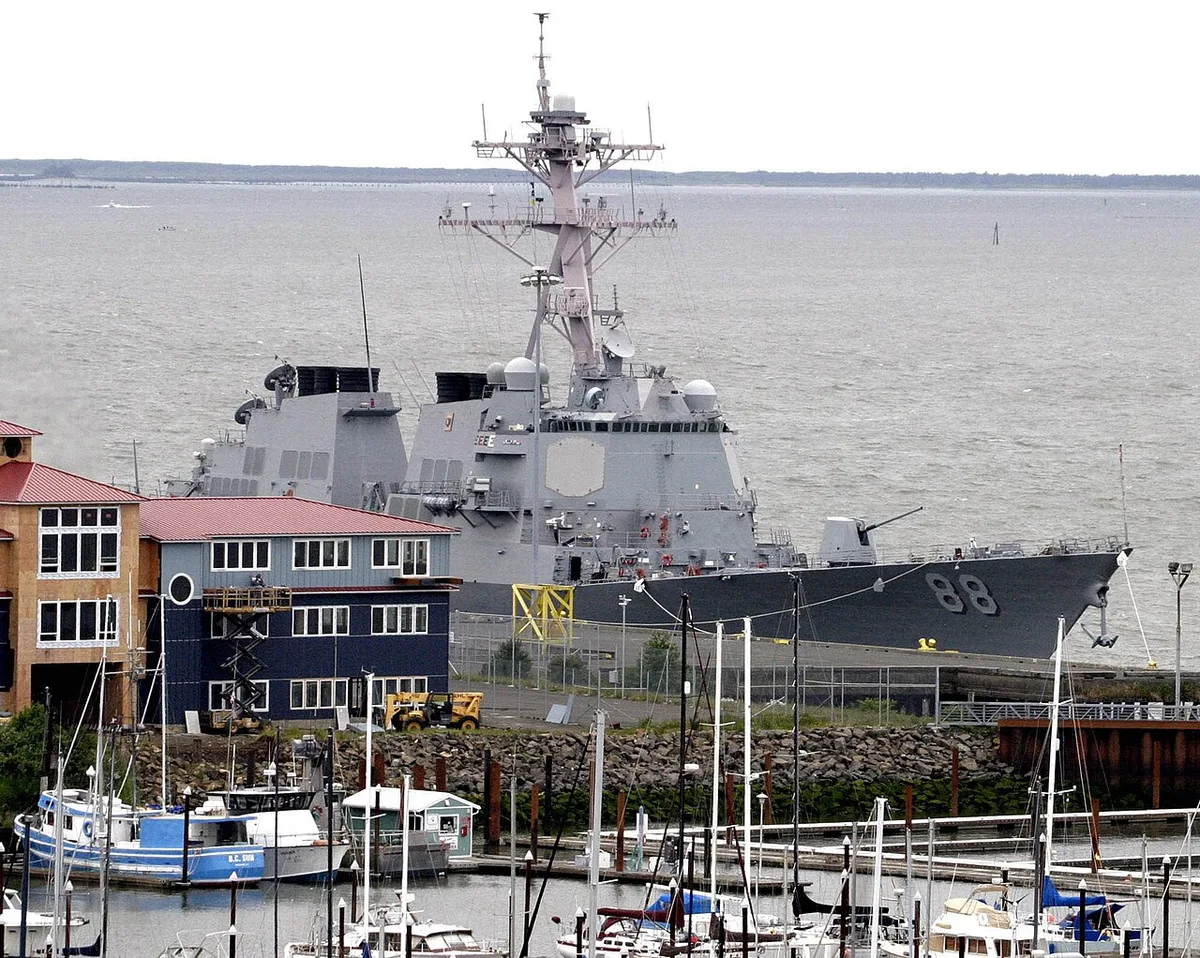
- Make the Columbia River Maritime Museum your main rainy-day anchor. It centers on the lightship Columbia and exhibits about the Graveyard of the Pacific.
- Plan this stop for travelers who like ships, Coast Guard history, navigation, and Columbia River Bar stories. Families also get more hands-on value here than from a quick photo stop.
- If cruise time is tight, choose this over extra wandering. It gives Astoria’s working-river identity real context.
- 7. Walk the Astoria Riverwalk
- Use the Astoria Riverwalk when you want the waterfront without committing to a museum. It's a 6-mile paved trail running along the Columbia River.
- Expect different moods along the route. The east end feels more industrial, while the west end is more visitor-focused.
- Cruise passengers can walk the roughly 1.5-mile stretch from the ship dock area toward downtown as a simple arrival route.
- 8. Ride the Astoria Riverfront Trolley
- Choose the Riverfront Trolley when legs are tired or weather shifts. Rides run $1 each, or $2 for an all-day pass, and a full end-to-end loop takes roughly an hour.
- Seasonal service is usually described around May through September. Check current operation before depending on it for a cruise return or dinner transfer.
- Look for Old 300 signs when you want to hail it. The trolley is slower than driving, but it turns the waterfront into part of the day.
- 9. Photograph the Astoria-Megler Bridge
- Drive or photograph the Astoria-Megler Bridge for one of Astoria’s defining views. The span runs about 4 miles across the Columbia River and is one of the longest continuous truss bridges in North America.
- Some drivers find the bridge stressful, especially in wind or traffic. Let the calmest driver handle the crossing and avoid doing it on a rushed schedule.
- Use the viewing platform at the bridge base for photos if crossing feels like too much. Confirm pedestrian access rules before planning any walk near the bridge.
- 10. Try the Fort George Brewery Block
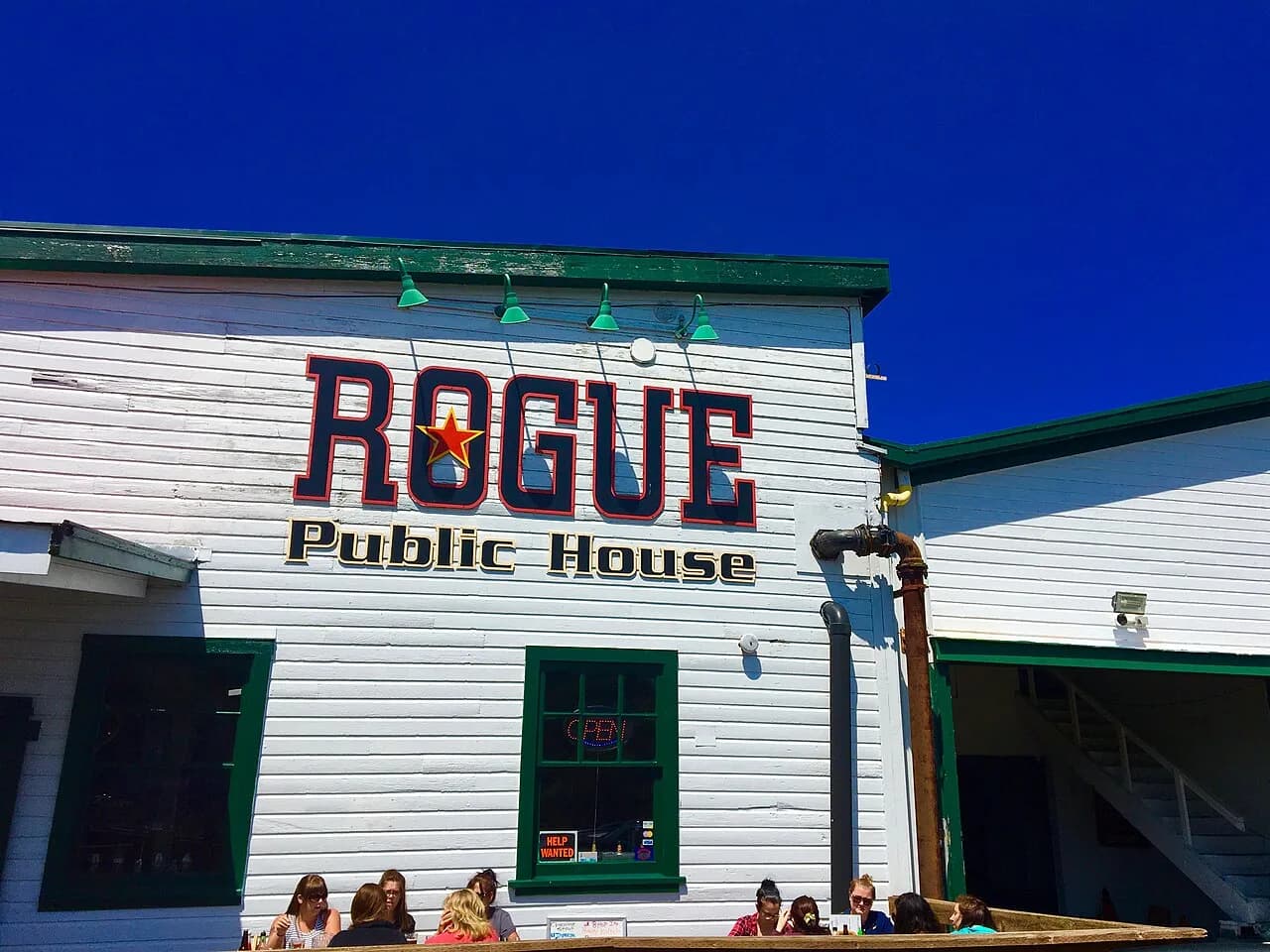
- Fort George works best as the big brewery stop. It runs as a block-style experience—brewery, pub, and event space clustered together—rather than a single taproom.
- Put this after museums or before dinner, depending on your group. It suits travelers who want food, beer, and time off their feet.
- If beer is a priority, compare it with Buoy Beer and Astoria Brewing instead of trying to rush all three. That choice protects the rest of your route.
- 11. Listen for Sea Lions Near Buoy Beer and 17th St. Dock
- Sea lions are part of Astoria’s riverfront personality, but they are not a guaranteed timed show. Head toward 17th St. Dock and the Buoy Beer area to see, and often hear, them.
- Use this as a quick waterfront check, not the only reason for a detour. Sightings and noise levels vary by season, so ask locally about current activity before building a special trip around them.
- Confirm Buoy Beer’s current dining setup before promising river views to your group. Restaurant operations can change faster than travel articles.
- 12. Eat at Bowpicker Fish and Chips or Mo’s Seafood
- Bowpicker Fish and Chips is Astoria's boat-turned-food-truck landmark. Expect waits when the line builds.
- Mo’s Seafood is the easier family fallback when you need seats, chowder, and less planning. Menus and prices should be checked directly before you go.
- Put lunch near the middle of the day rather than after every museum. Astoria’s hills and wind can make late meals feel harder than expected.
- 13. Explore Fort Stevens State Park and the Peter Iredale Shipwreck
- Drive to Fort Stevens State Park when you want beach time outside the city core. It's about 20 minutes from downtown Astoria.
- The Peter Iredale shipwreck is the headline stop for many visitors. Historic military batteries add a second reason to go when beach weather is poor.
- Do not expect a sandy beach inside downtown Astoria. Fort Stevens, Seaside, and other coast stops handle that part of the trip better.
- 14. Cross to Cape Disappointment for a Washington-Side Detour
- Cape Disappointment is the strongest add-on after the bridge crossing. It's about 20 minutes across the river on the Washington side.
- Go for lighthouses, coastal viewpoints, and the Lewis and Clark Interpretive Center. Check park conditions and road alerts before crossing in rough weather.
- For a wider route, compare this with the Astoria day trips guide. That helps decide if Washington deserves a half day.
- 15. Visit Fort Clatsop at Lewis and Clark National Historical Park
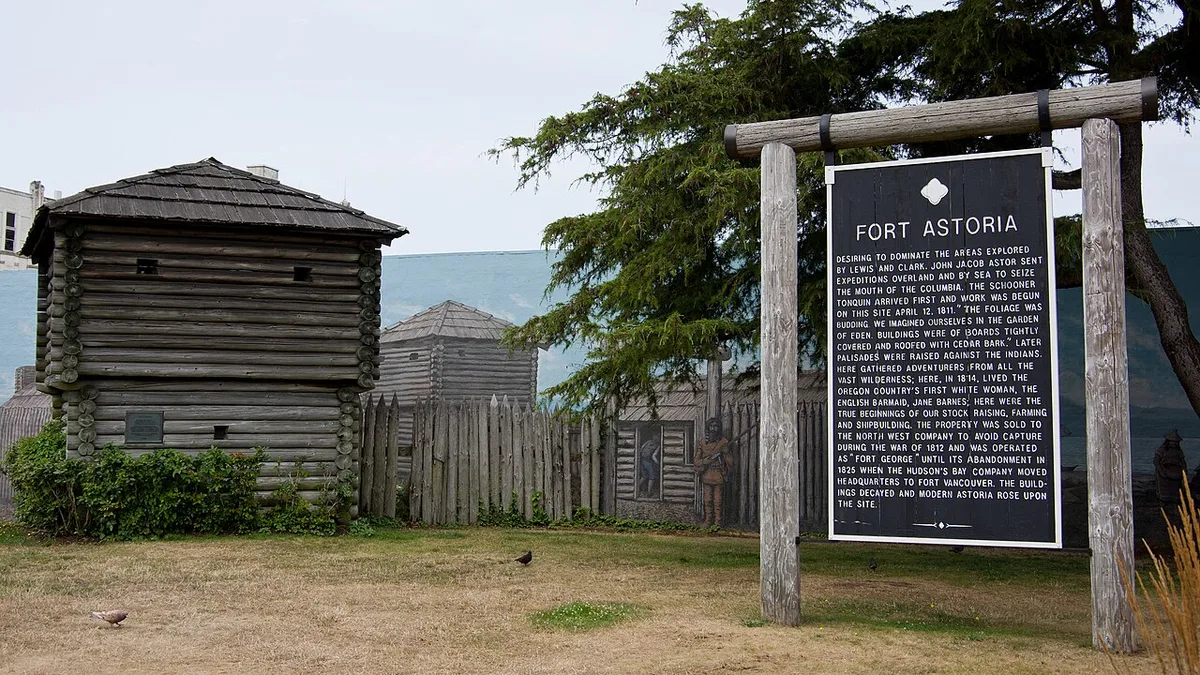
- Fort Clatsop works well when your group wants history beyond downtown Astoria. Lewis and Clark National Historical Park anchors this stop among Astoria's cultural sites.
- Use it as a quieter counterpoint to the waterfront and film sites. It also fits days when wind makes exposed viewpoints less appealing.
- Check current hours before driving out. Pairing Fort Clatsop with Fort Stevens can work, but it becomes a car-focused day.
How to Choose Your Astoria Route
Your best order depends on weather, mobility, and how much time you have. For a ready-made sequence, use the 2-day itinerary and swap stops based on the forecast.
- Clear-day musts: the Astoria Column, Astoria-Megler Bridge photo stops, and Fort Stevens with the Peter Iredale shipwreck—all better in daylight and less wind.
- Rainy-day safes: the Columbia River Maritime Museum, Oregon Film Museum, Flavel House Museum, and the downtown brewery scene, where being indoors is the point.
Fort Stevens and Cape Disappointment are both about 20 minutes out, but they pull the day in different directions—beach and batteries versus a bridge crossing and Washington viewpoints. Keep either add-on flexible when wind or timing tightens.
| trip_length | best_plan | watch_out |
|---|---|---|
| Half day or cruise stop | Pick the Riverwalk, Columbia River Maritime Museum, and one downtown food or brewery stop. | Do not overcommit to Fort Stevens or Cape Disappointment unless your departure time is flexible. |
| One full day | Start with the Column, add the film museum and downtown, then use the Riverwalk or trolley before dinner. | Keep the bridge crossing optional if wind, traffic, or driver anxiety becomes an issue. |
| Two days | Spend one day downtown and one day on Fort Stevens, Fort Clatsop, or Cape Disappointment. | Book lodging around your walking tolerance, not just the lowest nightly rate. |
| Rainy weekend | Prioritize museums, breweries, seafood, and short waterfront breaks between showers. | Save the Column and bridge viewpoints for the clearest window. |
Costs, Weather, and Transport Notes
Astoria can be a low-cost weekend if you focus on viewpoints, walking, and one or two paid stops. Still, small fees add up when you include museums, food, and side trips. Use 2026 planning numbers only as a starting point, then confirm prices at ticket windows and operators. For seasonal timing, cross-check the best time to visit before choosing a museum-heavy or park-heavy weekend.
A low-budget day runs around $20: Column parking, a trolley day pass, and one museum ticket. A high-budget day can clear $100 or more per person once a fishing charter, multiple admissions, or a full sit-down dinner enter the plan. Save the car budget for Fort Stevens, Fort Clatsop, or Cape Disappointment, where walking from downtown is not realistic.
| planning_topic | practical_note | decision_tip |
|---|---|---|
| Museum strategy | The Column parking pass has been associated with museum admission benefits in traveler reports. | Ask each museum before paying. Do not assume every 2026 ticket window honors the same deal. |
| Getting around | Downtown is walkable, but the Column, Fort Stevens, Fort Clatsop, and Cape Disappointment require a car for most travelers. | Avoid parking large RVs downtown when possible. Smaller vehicles fit the trip better. |
| What to pack | Bring a windbreaker even in better weather. Riverfront wind can change how long you want to linger outside. | Use museums and breweries as weather breaks instead of forcing every viewpoint. |
Trolley or Riverwalk: Matching Your Pace to the Waterfront
Astoria gives you two ways to cover the same waterfront, and picking the wrong one wastes part of a short visit. The Riverfront Trolley trades cost for speed and weather protection; walking the Riverwalk trades speed for a closer, slower look at the working river.
| factor | riverfront_trolley | walking_the_riverwalk |
|---|---|---|
| Time commitment | A full end-to-end loop runs about an hour, on a fixed May–September schedule. | Open-ended; the full 6-mile paved path takes considerably longer than one trolley loop. |
| Cost | $1 per ride or $2 for an all-day pass. | Free. |
| Experience | A quick, dry hop between downtown and the west end—useful when wind or a cruise-return deadline is pressing. | Direct contact with both moods of the waterfront: the industrial east end and the more visitor-focused west end. |
| Best for | Tired legs, kids, tight schedules, and sudden weather shifts. | Travelers with time who want photo stops and a slower read on the working port. |
A practical split: walk the west end, then hail the trolley under the Old 300 signs for the return leg or a jump to the east end.
Compare Astoria’s Brewery Stops
Astoria’s brewery scene works better when you choose by setting, not by trying to visit every taproom. Fort George Brewery is the central downtown pick, with food, multiple spaces, and an easy link to Commercial Street. It fits groups who want one reliable stop after museums.
Buoy Beer is the riverfront choice when the view matters. Its appeal is the Columbia River setting near the 17th Street Dock area, where sea lions are often part of the background noise. Check the current location and dining setup before building dinner around it.
Astoria Brewing Company has the most classic waterfront pub feel. It sits near the Riverwalk and works well when you want a casual meal without leaving the downtown-riverfront zone.
- Choose Fort George for the broadest beer-and-food stop.
- Choose Buoy for river atmosphere and sea lion proximity.
- Choose Astoria Brewing for an easy pub meal near the waterfront.
Frequently Asked Questions
What are the best things to do in Astoria Oregon on a first visit?
Start with the Astoria Column, Columbia River Maritime Museum, Oregon Film Museum, Riverwalk, and Astoria-Megler Bridge viewpoints. Add Fort Stevens if you have a car and enough daylight.
How many days do you need in Astoria?
One day covers the main downtown sights if you keep the route tight. Two days lets you add Fort Stevens, Fort Clatsop, breweries, and a slower riverfront evening.
Can you visit The Goonies house in Astoria?
You can view it respectfully from a legal public area, but it is private property. Do not enter driveways, block neighbors, or treat the home like a museum.
Is the Astoria Riverfront Trolley worth it?
Yes, when it is operating and you want a low-cost waterfront ride. Fares run $1 per ride or $2 for an all-day pass, but check current service first.
Do you need a car in Astoria?
A car is useful for the Column, Fort Stevens, Fort Clatsop, and Cape Disappointment. Downtown, the Riverwalk, museums, and several food stops can work on foot.
What should you do in Astoria when it rains?
Use rain for the Columbia River Maritime Museum, Oregon Film Museum, Flavel House Museum, breweries, and seafood stops. Save the Column, bridge photos, and Peter Iredale shipwreck for clearer breaks.